3 min read

Creative Activities That Build Confidence in Children

Creative Activities

Confidence grows when children get regular chances to try, practice, make mistakes, and improve. We see that creative activities give children a positive place to build those habits while having fun and expressing who they are.

As fall routines settle in, an arts class can give your child a goal outside the classroom, a welcoming group, and something they can feel proud to work toward. Music, acting, dance, and musical theatre each offer clear ways for children to notice their own progress.

Music Lessons Build Skills Children Can Hear

Music lessons make progress easy for children to recognize. A student may begin with a few notes, simple rhythms, or basic vocal exercises. With patient instruction and regular practice, those early skills can grow into a complete song. Hearing that improvement can be a powerful reminder that effort matters.

In our music lessons, children also practice life skills that reach far beyond their instrument or voice. They learn to focus, listen carefully, manage their time, and keep working when something feels difficult at first. Those moments matter. Confidence is not about getting everything right immediately. It is about learning, “I can keep going, and I can get better.”

Music lessons can help children practice:

  • Patience during challenging parts of a song
  • Focus during lessons and practice time
  • Listening to timing, pitch, and instruction
  • Persistence when a skill takes more than one try

Performing for a teacher, family member, small group, or recital audience can also help children become more comfortable being seen and heard. Music lessons are not only for future professional musicians. The confidence a child gains from sharing a song can carry into classroom presentations, conversations with peers, and unfamiliar challenges.

Acting Helps Children Find Their Voice

Acting classes give children a supportive setting to explore ideas, emotions, and different points of view. Through scene work, improvisation, character work, and storytelling, students can practice speaking up in a way that feels playful rather than intimidating.

Clear communication is one of the most meaningful skills children develop through acting. During class, we guide students to listen to scene partners, make eye contact, use their voices clearly, and respond to what is happening around them. These habits can support participation at school, friendships, public speaking, and future interviews.

Mistakes are part of the process, too. A forgotten line or an unexpected moment in an improv activity does not have to stop the scene. Children learn how to pause, make a choice, recover, and continue. Over time, that practice can make failure feel less frightening in everyday life.

Acting can help children become more comfortable with:

  • Sharing ideas in front of others
  • Listening and responding with care
  • Using facial expressions, movement, and voice
  • Trying again after a mistake

For children who are naturally quiet, acting does not require them to become someone else. Instead, it gives them more ways to communicate and helps them discover that their thoughts and voices have value.

Musical Theatre Classes Build Teamwork and Courage

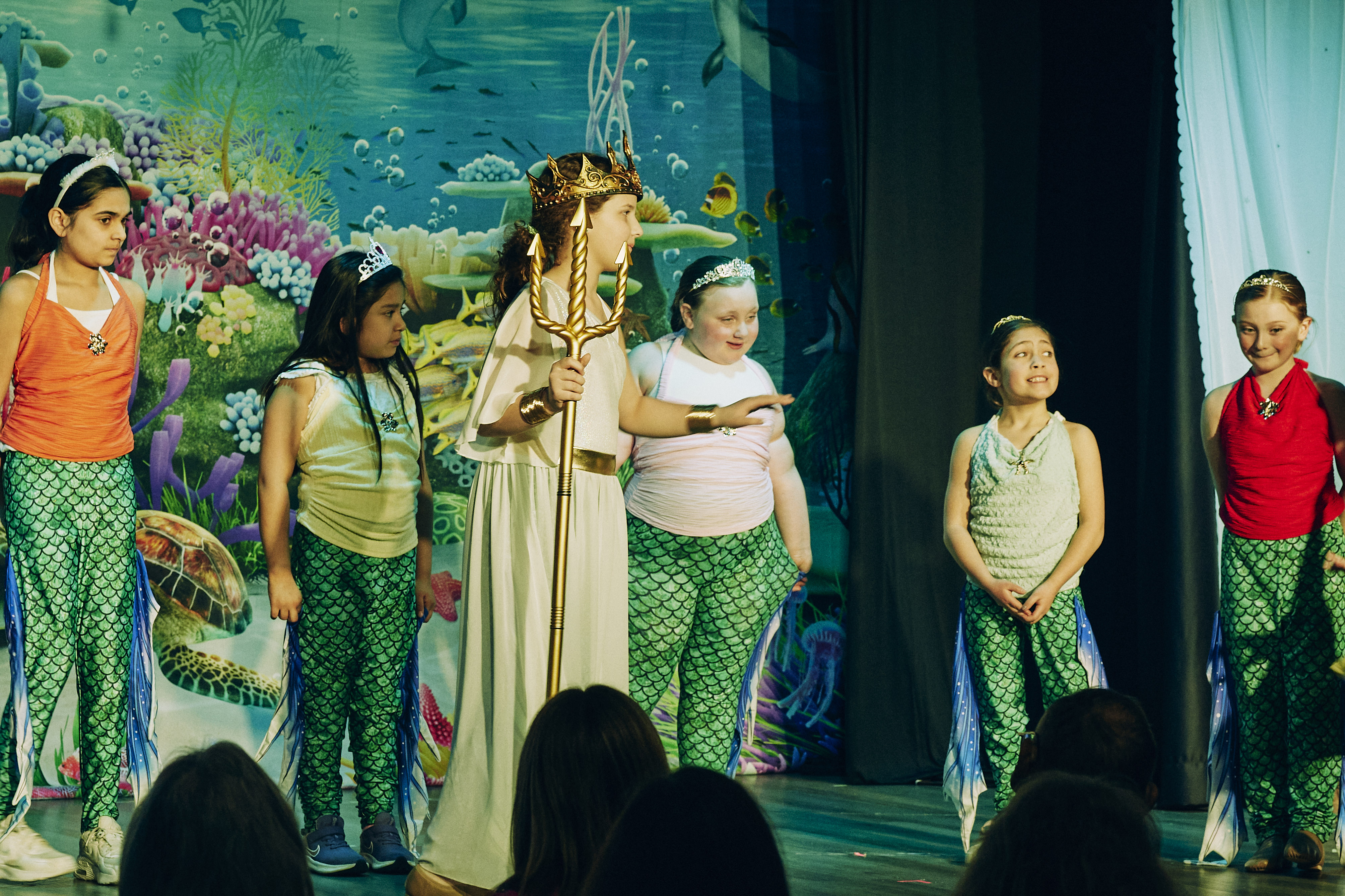
Musical theatre classes bring together singing, acting, movement, and collaboration. That mix gives children many ways to discover what they enjoy and where they feel strong. A student who is shy about singing may enjoy character work. Another child may feel confident learning choreography or supporting the story as part of an ensemble.

Teamwork sits at the center of musical theatre. Every role helps shape the performance, whether a child leads a scene, sings with a group, moves through a dance number, or encourages classmates during rehearsal. We help students understand that a shared performance depends on everyone paying attention and doing their part.

Rehearsals also teach responsibility. Children practice remembering cues, learning material, arriving ready to participate, and staying engaged even when the focus is on another performer. These experiences can build accountability, empathy, and pride.

When children work together toward a performance, they learn that courage is not always a big, dramatic moment. Sometimes it is raising a hand, trying a new movement, singing a line with the group, or returning to rehearsal after a tough day.

Dance Encourages Confidence Through Movement

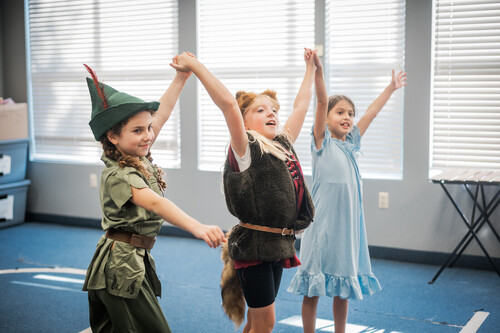
Dance classes help children become more comfortable in their bodies and more confident in movement. Students learn steps, timing, coordination, and choreography in a structured setting, and they do not need prior experience to begin. Each class gives them a chance to build physical awareness one step at a time.

Repetition plays an important role in dance. A combination may feel unfamiliar at first, but careful listening and continued practice can make the movement feel more natural. When a child remembers a sequence or performs a routine, that achievement feels real because they know the work it took to get there.

Group dance classes can also support social confidence. Children move alongside peers, follow shared rhythms, and see that everyone is learning together. For a child who has trouble putting feelings into words, dance can be a meaningful nonverbal outlet. It can provide a creative way to express energy, personality, and emotion while feeling included in a group.

Give Your Child a Creative Place to Shine

Confidence does not come from perfection. It grows through meaningful experiences where children can practice, take healthy risks, learn from mistakes, and recognize their own progress. Music lessons, acting, dance, and musical theatre classes can build artistic skills while also supporting communication, resilience, discipline, and self-belief.

Children may be drawn to different creative outlets based on their interests and comfort levels. Sound can inspire a love of music, while storytelling may spark an interest in acting or musical theatre. Across each art form, steady participation gives children opportunities to grow, express themselves, and recognize their own progress.

Build Confidence Through Performance

At Hunterdon Academy of the Arts, we help children develop communication, collaboration, and stage skills in a supportive setting. Our musical theatre classes give students a place to practice performing, work toward shared goals, and take pride in what they accomplish. We welcome young performers at every experience level and encourage them as they discover their voice.

Confidence From the Inside Out: Why Music and Theatre Help Anxious Kids

Confidence From the Inside Out: Why Music and Theatre Help Anxious Kids

Discover how music and theatre ease anxiety and boost self esteem, plus music lessons for kids in Flemington in a caring community setting.
Read More
Best Music Lessons in Hunterdon County: Elevate Your Skills Today

Best Music Lessons in Hunterdon County: Elevate Your Skills Today

Unlock your musical potential with the best music lessons available in Hunterdon County, tailored for all skill levels and ages.

Read More
What Happens When Kids Combine Music Lessons and Theatre

What Happens When Kids Combine Music Lessons and Theatre

See how music lessons and stage work build confidence and creativity, plus options for musical theatre classes in Flemington, NJ for kids

Read More