Valentina Jotovic 10 min read

How Music Lessons Help Kids Stay Focused During Winter Months

Winter in Flemington, NJ can feel long, especially for kids. The days get shorter, the weather keeps everyone indoors, and energy levels naturally drop. It’s not unusual for children to get a little stir-crazy or distracted during this season. With more time spent inside and fewer opportunities for physical play, many families look for ways to help their kids stay focused and positive.

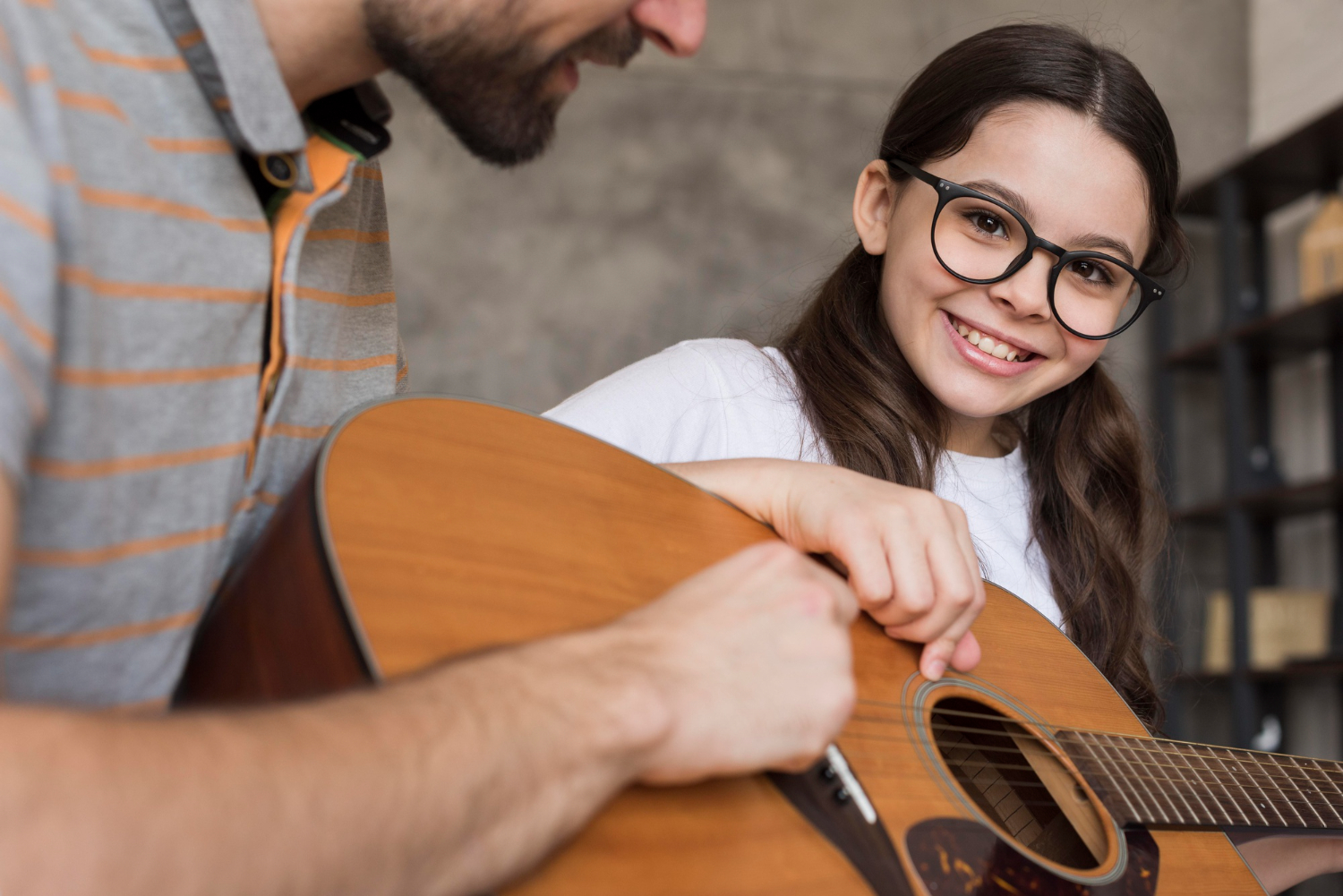
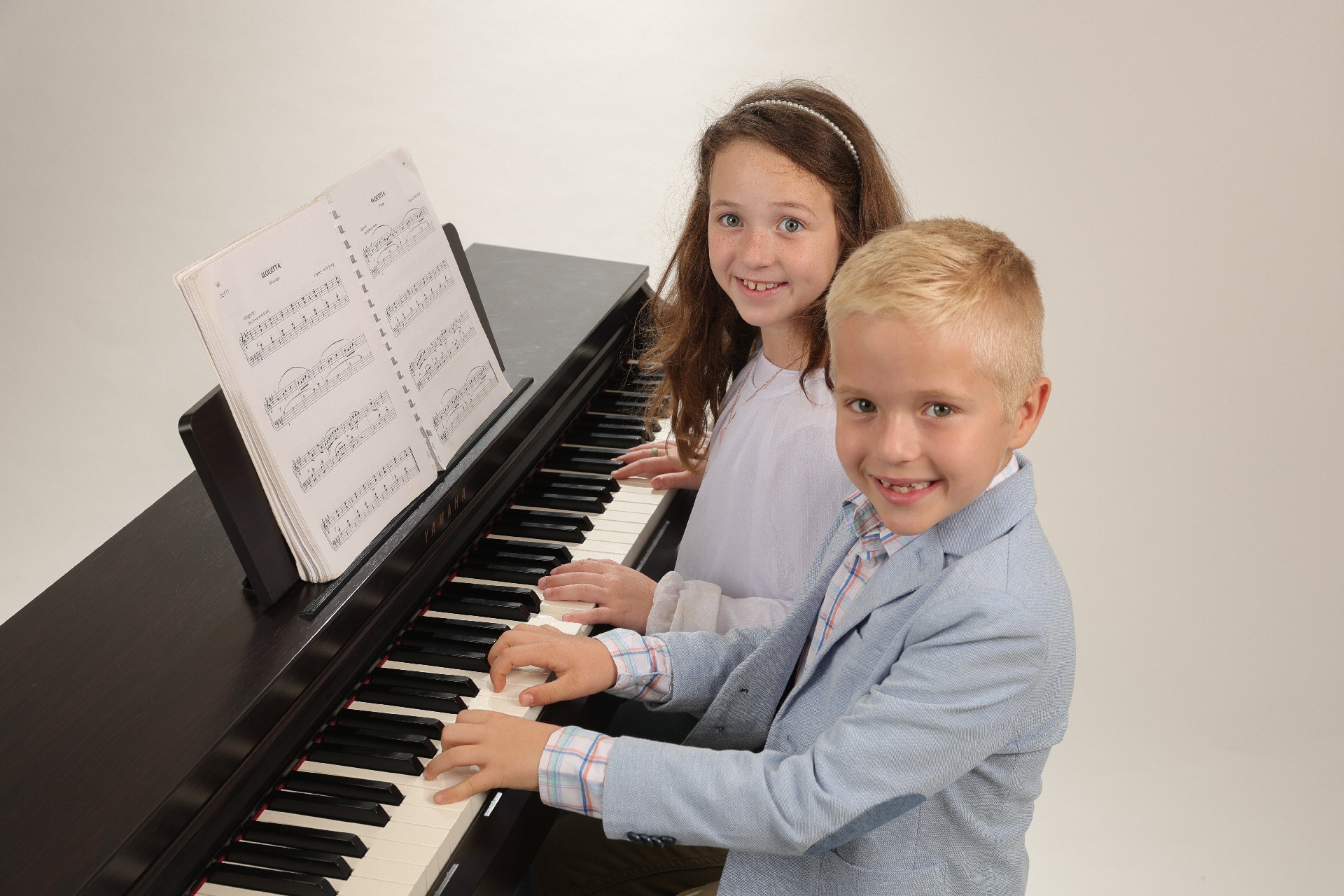
Music lessons are one way to turn quiet indoor time into something meaningful. Whether it’s learning to play a new instrument or practicing something familiar, music gives kids structure and purpose. It asks them to listen, concentrate, and use their hands and minds together. That kind of activity can make a big difference when winter feels extra slow or unmotivated. At our Flemington, NJ campus, music lessons are available for children ages 5 and up on many different instruments, including guitar, piano, drums, violin, and voice, so it is easy to find a lesson that fits your child’s interests.

Building Focus Through Structured Routine

When school breaks or snowy days throw off regular routines, music lessons step in with consistency. A weekly class or private lesson gives kids something steady to count on, especially during months when the calendar might feel wide open. Children do better with rhythms to their week, and music can offer that without pressure.

Even simple goals, like learning to play a favorite tune, provide kids with something to work toward. That sense of purpose can turn a regular Tuesday into something they’re excited about. Getting better at a piece over time keeps their minds engaged and helps them build focus in a low-stress setting.

Here are a few ways music creates helpful routines:

  • A lesson once a week adds structure without taking over family time
  • Setting small music goals teaches commitment and progress
  • Daily practice, even just a few minutes, builds time management skills steadily

The repetition involved in music has a quiet power. It creates healthy habits without needing much push. Hunterdon Academy of the Arts is currently home to 800 students and more than 40 teachers, so kids practice these habits in a busy, supportive learning community.

Music Supports Mental and Emotional Balance

Winter isn’t just cold, it can feel heavy too. It’s normal for kids to get a little antsy or down when they’re inside most of the time. Songs can have a way of brightening up those gray afternoons. Even a few minutes at the piano or singing along with a tune can shift a child’s mood.

Music gives kids a safe space to process feelings. Playing a melody they love or working through a piece that challenges them has value beyond technique. It encourages emotional awareness and offers an outlet for energy or restlessness. More than anything, it calms the mind without needing screens or distractions.

Learning little by little also teaches patience. Each correct note, each bit of improvement, becomes a quiet kind of progress. Kids feel that and carry it with them. That steady gain builds up confidence and a deeper sense of control when other parts of life feel out of sync.

Life Skills That Carry Into School

The focus kids build during music lessons doesn’t stop when they leave class. We see that growth show up in their schoolwork and social settings too. Listening closely, following directions, and staying with a task are all part of music education, and those skills overlap with classroom learning.

Daily or weekly practice strengthens memory and attention span. Children who are used to reading notes or remembering where to place their fingers find it easier to keep up during reading or math time. They’re used to concentrating over a period of time, which makes transitions in school smoother.

Here’s what often shows up in school once music becomes part of a child’s life:

  • Better focus during classwork
  • Stronger listening skills and follow-through
  • More confidence in speaking up after learning how to perform

Even kids who are shy at first tend to open up when they get used to playing or singing in front of others.

Staying Connected During the Indoor Season

Winter can also feel a little lonely, especially for kids who miss time with friends or who aren’t involved in a lot of group activities. Music lessons help fill that gap in a positive, meaningful way. Being part of a class or working one-on-one with an instructor gives children a space to be seen and supported.

These lessons give more than just instruction. They bring conversation, encouragement, and honest feedback in a setting where every child matters. That kind of connection, week after week, brings a lot of comfort during quieter seasons. Families can choose in-person or fully online lessons through our Flemington campus, and can even move between formats as seasons and schedules change.

For children who take part in group lessons or performances, it also builds teamwork. They learn when to follow and when to take the lead. They support each other during practice and learn that progress takes time for everyone. That shared experience often keeps kids connected during months when it’s easy to feel stuck indoors.

More Than Music: How Acting and Theatre Play a Role Too

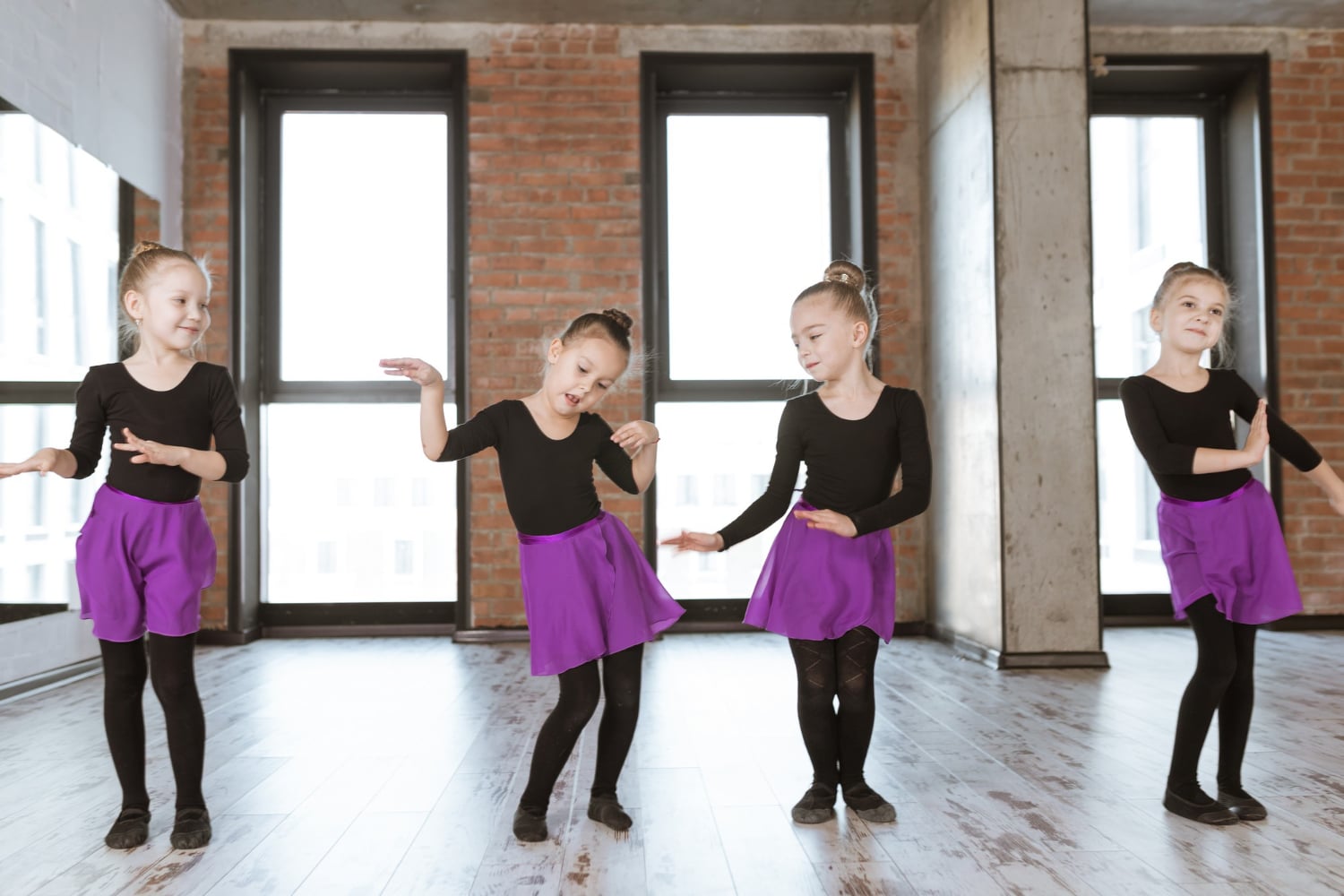
Music isn’t the only activity that helps children stay mentally and emotionally steady during winter. Acting and musical theatre classes offer a different kind of focus. They use movement, voice, and interaction to build many of the same skills from another angle.

When kids memorize lines or rehearse a scene, they’re using discipline just like they would when learning a song. These classes ask kids to pay attention to details, work with others, and stay present. That level of engagement can be incredibly balancing, especially in a season that often limits physical expression.

For children who are extra expressive or social, theatre gives them a place to shine and grow. Taking turns, staying on cue, and supporting ensemble scenes can all help build respect and patience. And just like with music, performing helps boost public-speaking confidence and personal pride.

A Strong Start to the New Year

January often feels like a fresh start, but for many kids, it’s also a tough season to stay motivated. Music and performing arts offer more than just skills. They bring energy, structure, and room for emotional growth when it’s most needed.

Learning something meaningful each week, whether it’s through an instrument, a role in a scene, or a favorite song, gives children a strong base to move forward. Winter isn’t always easy, but with the right focus and a good outlet, it can become a season for real growth and confidence.

At Hunterdon Academy of the Arts, we know how valuable structure and creativity can be during the winter months. When kids stay engaged in activities like music and performing arts, they build focus, grow in confidence, and carry those lessons into every part of their lives. When your child spends more time indoors this season, it is a great opportunity to bring energy and purpose into their routine with weekly music lessons. These sessions provide the consistency and support children need to stay sharp and feel connected during quieter times. Contact us to learn how to get started this winter.

COMMENTS