How Playful Theatre and Music Spark Tiny Talkers
Toddler theatre and music classes look like pure fun: tiny capes, wobbly crowns, stuffed animals, instruments, and lots of giggles. Under all that silliness, something powerful is happening. Toddlers are using new words, taking turns talking, moving to music, and learning how stories work, long before they ever open a school book.
When children pretend, sing, and tell stories, they suddenly have a reason to talk and to listen. They need words to share ideas, solve little problems in the story, follow musical directions, and show big feelings. That playful “need to speak and respond” is a gentle push that helps language grow at just the right pace, while also building confidence and other important life skills.
At Hunterdon Academy of the Arts, we see this every day in our toddler theatre and early music classes in Flemington, NJ. Our classes bring together music, acting, and movement in a warm community setting where young children can explore and be themselves. In this article, we will walk through how this kind of playful theatre and music supports vocabulary, listening, early story sense, print awareness, social and emotional skills, and confidence, foundations that support early reading and a lifelong love of learning.
Why Toddlers Learn Best Through Imagination, Music, and Movement
Toddlers do not learn best by sitting still. Their brains wake up when they are moving, singing, pretending, and touching real objects. When they act out everyday routines like going to the store or going to the doctor, they naturally pick up words like bag, receipt, doctor, and checkup.
Pretend play is also early symbolic thinking. In simple terms, that means a child can let one thing stand for something else, like a block becoming a phone or a scarf becoming a superhero cape. Later, this same brain skill helps them understand that:
- A squiggle on the page stands for a letter
- Letters together stand for a word
- Words stand for real ideas and things
This is the same chain of thinking they will use when they start to read.
Music and movement add another powerful layer. In toddler theatre and music classes, children often:
- Clap along to rhythm games
- Shake instruments to a steady beat
- March, tiptoe, or freeze on cue
- Sing simple songs with repeating lines
These activities help them notice patterns in language, such as rhymes and syllables. Singing the same simple song again and again helps words and phrases sink in. Keeping a steady beat and moving with the group also train focus and self-control, key life skills they will use in school and beyond.
Because theatre, music, and dance are so naturally mixed at this age, children think they are just playing, not doing “lessons,” which is exactly how we want it to feel. They build listening, memory, and self-expression without any pressure.
Storytelling and Songs as a Bridge to Early Reading Skills
Acting out stories helps toddlers understand that stories have a shape. There is a beginning, middle, and end, and there are characters who have a problem and then figure out what to do. When a child knows that basic story pattern, later reading comprehension makes much more sense.
In class, we often return to favorite stories and songs. We might walk like certain animals, pretend to cross a river, repeat a funny line together, or sing a familiar chorus. Each repeat gives toddlers a chance to:
- Learn new words and phrases
- Try longer sentences
- Practice sequence words like first, next, then, and finally
- Practice memory as they recall lyrics, motions, or lines
Pre-reading skills also grow quietly in the background. Children learn to listen for key details, like who is talking or what the problem is. They start to guess what might happen next based on what they already know, which is an early form of prediction, another important reading skill. Rhymes and patterns in story songs help their ears tune into the sound structure of language.
Print awareness can show up in tiny, playful ways. A child might see their name on a prop bin, a costume tag, or a music folder and hear the teacher say the letters out loud. A big, bold title on a storyboard may be pointed out quickly. We keep these moments light and natural, so print becomes a friendly part of their world, not schoolwork.
Life Skills Toddlers Gain on the Mini Stage and in Music Class
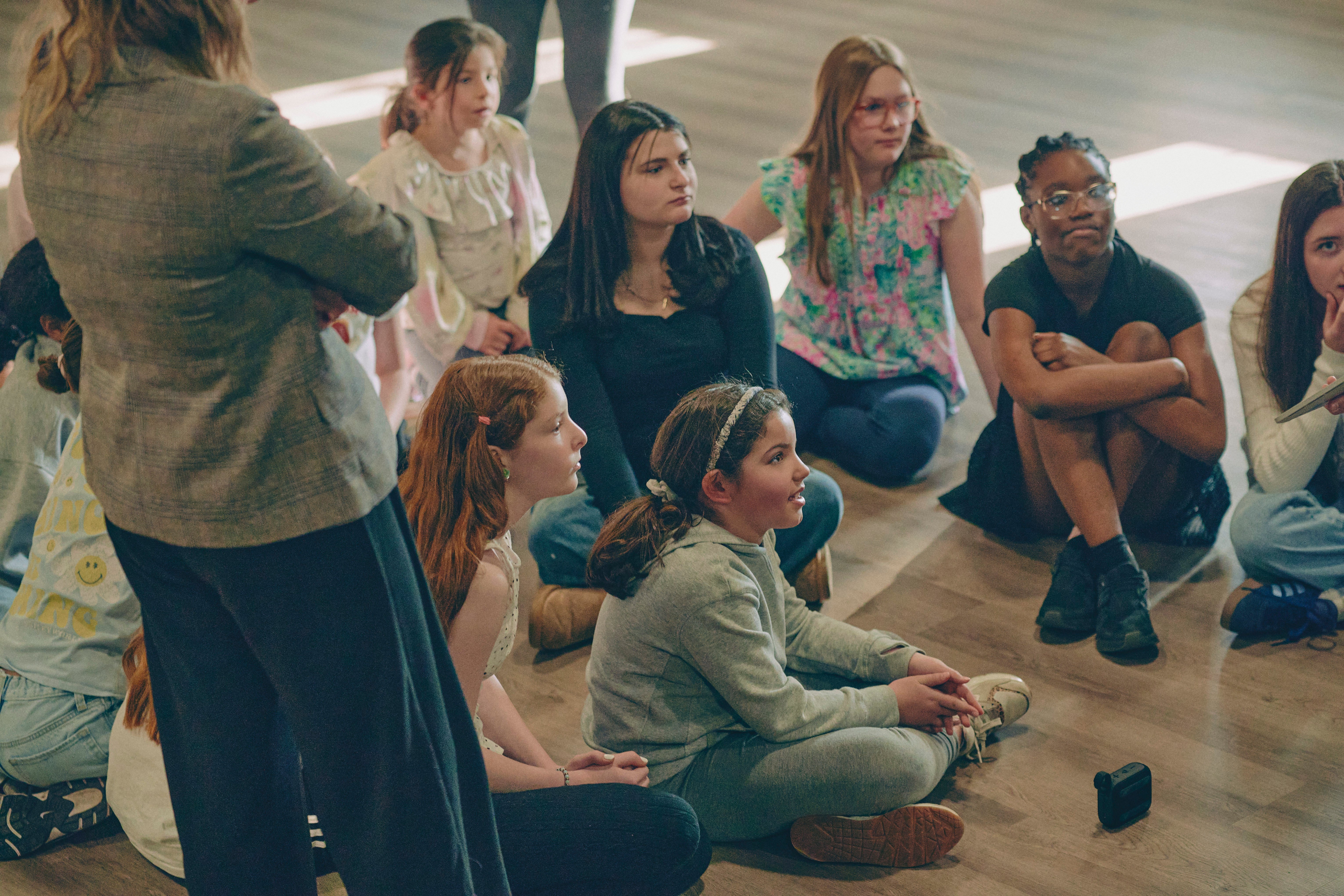
The “stage,” even if it is just a taped line on the floor, is a mini practice ground for life. The same is true of a music circle on the rug. In toddler theatre and music classes in Flemington, NJ, children learn to share space and attention. They practice:
- Waiting for a turn to speak, sing, or move
- Listening when another child has a line or solo
- Joining in group movement or song without pushing ahead
- Following the group and supporting others, not just focusing on themselves
These are the early building blocks of teamwork and collaboration.
The emotional benefits are just as important. When toddlers pretend to be a scared mouse, a brave firefighter, or a sleepy bear, they get to try on big feelings in a safe way. When they sing about feelings in a song or act out a character’s mood, they learn to name and handle emotions like nervous, frustrated, excited, or proud.
Theatre and musical games also build skills that show up later in school and everyday life, such as:
- Following simple multi-step directions
- Staying focused on a short activity from start to finish
- Trying again after a “mistake,” like forgetting a line or coming in late on a song
- Speaking up so others can hear them
- Respecting others’ ideas and creativity
These are true life skills, communication, resilience, patience, and empathy, that grow naturally in acting and musical theatre settings.
We see many shy children bloom when given a small, supported part like one repeated word, a sound effect, a simple dance move, or a group response line. Group songs and call-and-response games make it easy to join in without feeling alone in the spotlight. Over time, this builds real confidence that carries over into school, playdates, and family life.
How Music, Acting, and Dance Build Language and Life Skills
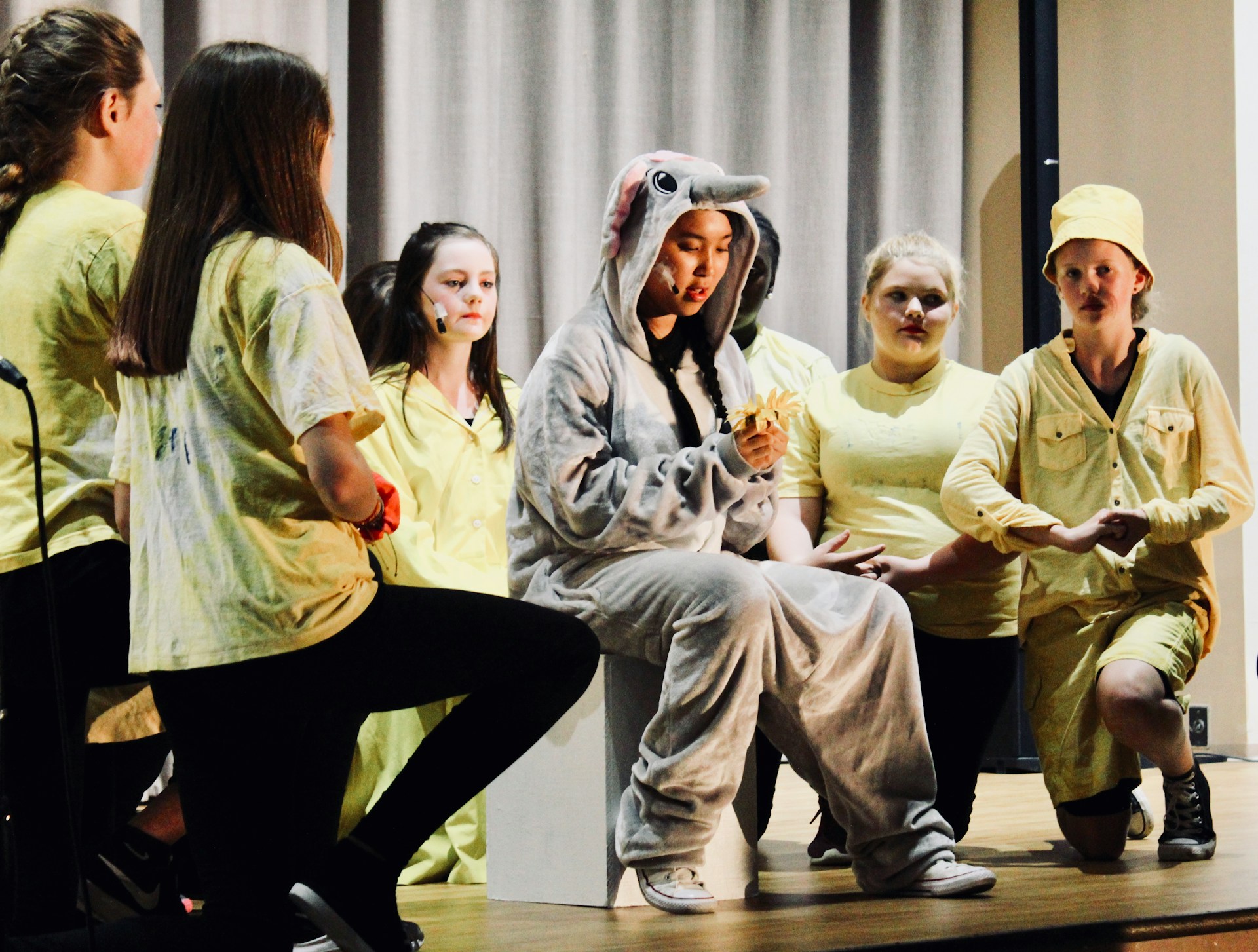
At Hunterdon Academy of the Arts, toddler theatre blends acting, musical theatre, and movement into one playful mix. Our early music classes add singing, rhythm instruments, and simple musical patterns. This means that children experience language and expression in many ways at once: speaking, singing, moving, and even quietly watching.
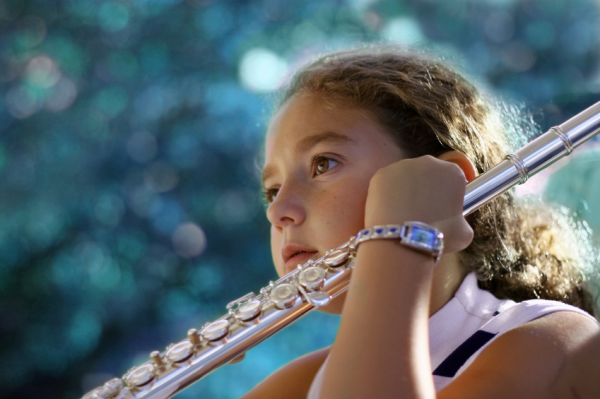
Musical activities offer special language and listening benefits. When toddlers sing:
- Repeating words in songs helps build vocabulary
- Rhythm clapping helps them hear syllables inside words
- Call-and-response singing gives them a comfortable way to “answer” with their voice
- Matching pitch and rhythm trains careful listening and attention to detail
These same music lessons help children learn to start and stop together, follow a leader, and notice how their part fits with the group. Those are early teamwork and leadership skills.
Movement ties words to actions. When a teacher says jump, tiptoe, freeze, or twirl and the child does it, they are constantly practicing listening and understanding. That is real-time language comprehension, and it also strengthens body awareness and self-control.
Pretend play themes invite rich conversation. Children might become:
- Animals at a farm or zoo
- Community helpers like cooks or mail carriers
- Storybook characters on a simple adventure
- Characters in a very simple musical story with songs and motions
During these games, kids ask questions, comment on what they are doing, and often start narrating their play. This steady stream of talk, supported by a caring teacher, is like a daily workout for language development. At the same time, they are practicing key life skills: sharing ideas, listening to others, and working together to tell a story or finish a song.
The Benefits of Starting Music and Theatre Lessons Early
Starting music, acting, or musical theatre lessons in the toddler and preschool years gives children a gentle head start. Some of the long-term benefits include:
- Stronger language and early reading foundations
- Better listening and concentration
- Comfort speaking and performing in front of others
- Creativity and imagination
- Practice working as part of a team
- Healthy ways to express big feelings
- A positive, joyful attitude toward learning new skills
Young children who grow up singing, pretending, and moving to music often feel more at ease trying new things, making friends, and sharing their ideas. These are strengths they will carry into school, friendships, and later activities.
What to Look for in Toddler Theatre & Music Classes in Flemington, NJ
If you are thinking about toddler theatre or early music classes in Flemington, NJ, it helps to know what to look for. A strong program for very young children usually includes:
- Small class sizes so each child gets attention
- Activities that match short toddler attention spans
- A warm, patient teaching style
- A focus on trying and enjoying the process, not on a “perfect” performance
- Plenty of chances to move, sing, and pretend, not just sit and watch
It is also helpful to ask how the class uses storytelling, music, and movement. Do children get to act out simple stories? Are there songs with motions and simple instruments? How are shy or less verbal children invited to join without pressure?
Many families like to start new routines in late spring or early summer, when the weather is kinder and days feel a bit more open. It can be a gentle way to give toddlers a head start on language, social skills, and confidence before schedules fill up again later in the year. Hunterdon Academy of the Arts has become a local spot where families can find this kind of supportive, creative space for their youngest performers.
Take the First Step Toward Confident, Curious Communicators
If your toddler already sings in the car, taps a steady beat, tells little stories with toys, or pretends to be their favorite character at home, they are already doing theatre and music in their own way. A guided class simply gives that natural energy more structure, support, and social fun.
Over time, playful theatre and music lessons can support stronger language, early reading foundations, social skills, creativity, and a healthy, happy attitude toward learning. Acting and musical theatre experiences help children practice real-life skills, like communication, confidence, and cooperation, in a safe, joyful setting.
At Hunterdon Academy of the Arts, we love helping young children grow into curious readers, expressive talkers, and confident humans, one tiny song and one tiny “performance” at a time.
Give Your Toddler a Confident Start on Stage
Let your child explore imagination, movement, and storytelling in a safe, nurturing environment with Hunterdon Academy of the Arts. Our experienced instructors guide young performers through playful activities that build confidence, social skills, and creativity. Explore our toddler theatre classes in Flemington, NJ to find a class that fits your family’s schedule and your child’s personality. Enroll today so your toddler can take their first exciting steps into the world of theatre.

COMMENTS