Valentina Jotovic 12 min read

Jazz Dance or Contemporary: Which Style Fits Your Child?

A lot of kids love to move. Whether it's dancing around the living room or making up routines with friends, movement comes naturally to them. But when it’s time to pick a style to learn, parents often have questions. Should their child try jazz, or would contemporary be a better fit? Each style brings something different to the table, and that's what makes the choice both exciting and a little tricky.

In a town like Flemington, NJ, where families are juggling busy spring schedules and looking for outlets to keep kids active and focused, jazz dance is a popular pick. Still, contemporary dance has its own appeal for creative movers. So how do you figure out which one makes sense for your child right now? We’ll walk through what makes each different and talk through what really matters when choosing.

What Is Jazz Dance?

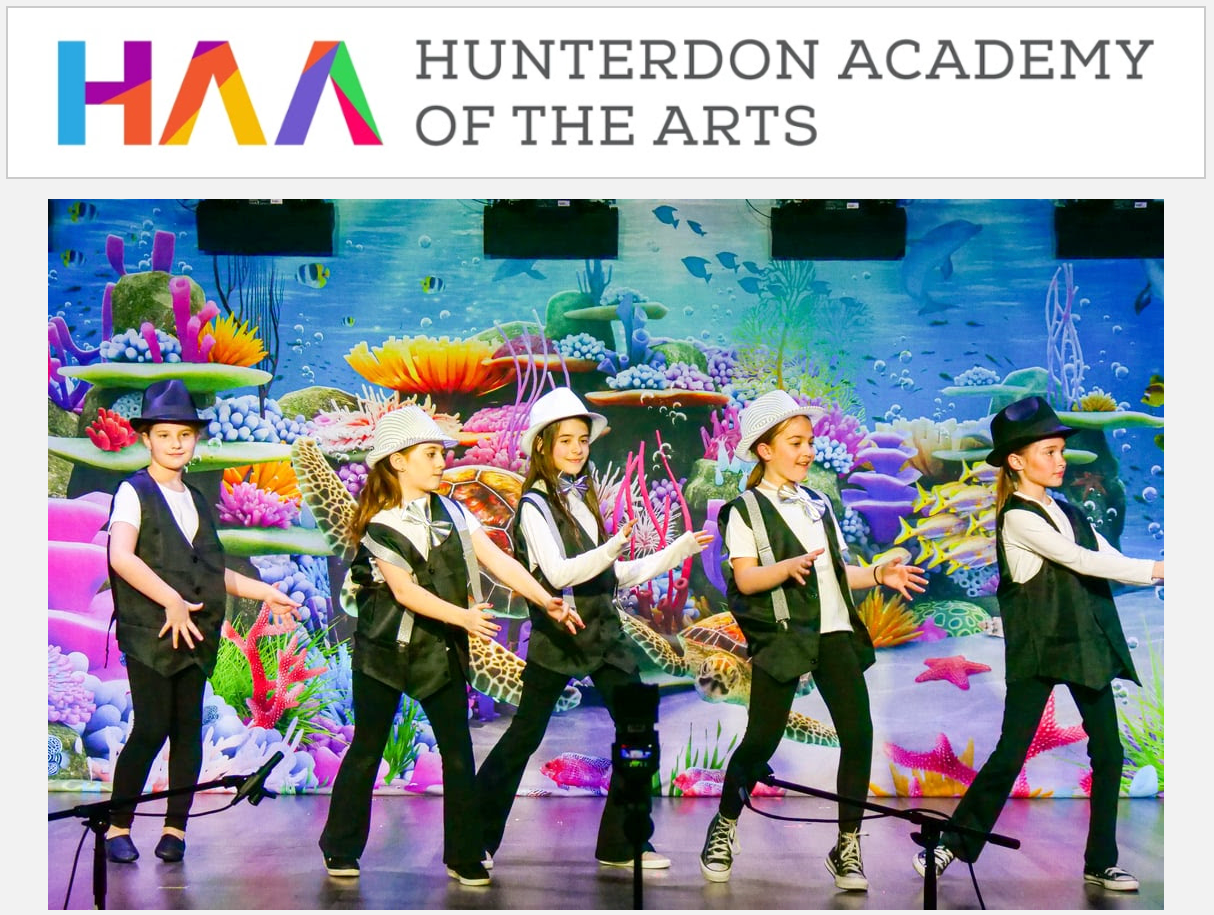
Jazz dance is bold, upbeat, and full of rhythm. It’s usually fast-paced and structured with moves that match the beat. We see students connect with jazz quickly because it feels familiar, much of the music comes from pop or Broadway, and the energy in class is contagious.

Jazz classes often include sharp movements, turns, kicks, and jumps. That variety keeps things fun and allows kids to express themselves while staying active. Over time, the repetition helps build a strong sense of musical timing, along with body control and movement memory.

Parents often notice how much jazz boosts stage confidence, too. Classes regularly include short combinations that students share in small groups, giving everyone the chance to perform without pressure. That kind of experience builds up over time and supports healthy risk-taking in other areas, like classroom speaking or school presentations.

What Is Contemporary Dance?

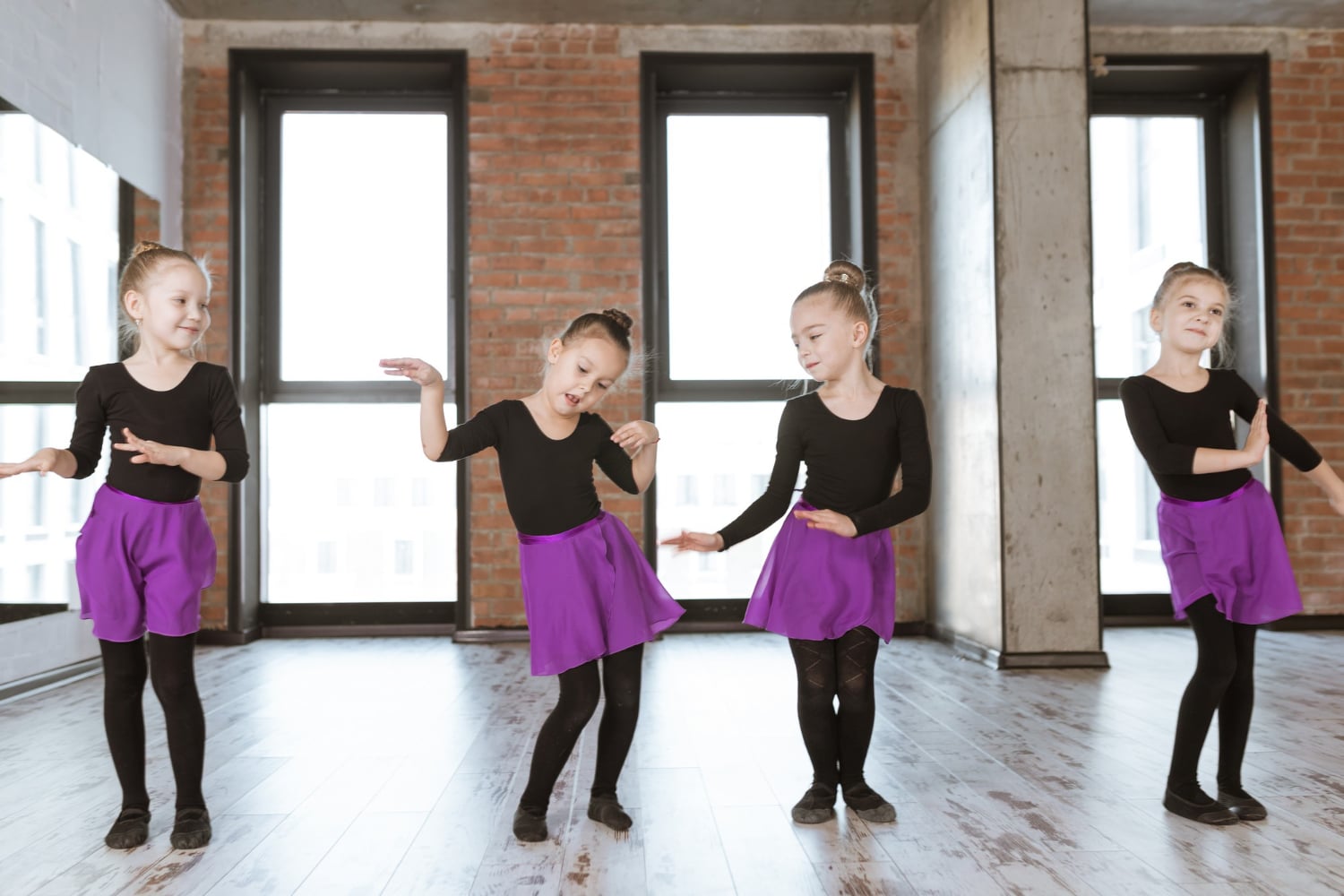
Contemporary dance looks different. It’s slower in some parts, quicker in others, and focuses more on emotions and storytelling. Movement flows from one shape to the next, giving students space to play with rhythm, speed, and emotion. It doesn’t rely as heavily on sharp lines as jazz does, and that softness appeals to kids who enjoy being expressive and creative.

Instead of sticking to a big beat, contemporary music varies more. Classes might use modern instrumental tracks, soft rock, or even music without a strong rhythm. That opens up more space for unique movement and student interpretation.

Contemporary also helps children build balance, strength, and flexibility. Many kids appreciate the quieter structure and the freedom to try things without worrying about being “perfect.” It often attracts kids who like storytelling or who already show interest in acting or musical theatre, since it gives them tools to show emotion using their whole body.

Skills Kids Learn in Both Styles

No matter which path your child tries, one thing stays the same: movement classes give kids skills they’ll use way beyond the studio. Learning a routine means listening carefully, watching closely, and remembering several steps at once. All of those things help with focus and following directions.

Both jazz and contemporary also give students experience performing in front of others in a positive setting. Over time, this helps them feel more confident speaking up, trying new things, or leading in a group. These are the kinds of small but steady life lessons that come from showing up and participating week after week.

In addition, both styles give kids a healthy outlet for energy, which becomes especially helpful in spring when school is full of test prep, after-school sports, and end-of-year events. Having one structured space for creativity and movement helps kids stay balanced without adding pressure.

We’ve seen how much it helps when children feel ownership over their learning in class. They might choose how to express a move or take the lead in a small group. That kind of chance to guide their own work teaches responsibility and reflection, two skills important at any age.

Which Style Fits Your Child’s Personality and Interests?

Sometimes the best way to choose between jazz and contemporary is just to think about your child’s personality. Here are a few questions families can ask:

  • Does your child love fast beats, or do they enjoy music that’s slower and more expressive?

  • Do they like working on sharp, crisp movements, or do they enjoy creating their own shapes and stories?

  • Does your child seem drawn to acting or emotional expression through movement?

  • Do they talk a lot about music, or do they feel music through motion?

Younger kids with lots of energy often enjoy something structured like jazz. It helps them focus that energy while still having fun. Kids who already enjoy storytelling or acting might lean toward contemporary, especially those who like expressing feelings through movement.

Spring is a great time to explore something new. Many families in Flemington look for programs that work alongside the school calendar and wrap before summer travel kicks in. Movement-based classes started in early to mid-spring have just the right momentum to keep kids active through the season without making it feel like a chore.

What to Expect from Dance Classes in Flemington, NJ

In Flemington, NJ, local studios often organize their class schedules around what families already have going on, school breaks, testing windows in April, and spring sports games in the evening. This keeps kids from getting overwhelmed and helps parents stay on track.

That extra planning is part of what makes jazz dance in Flemington, NJ, such a helpful option during busy spring months. Jazz gives kids structure and creativity at the same time. Plus, the classes feel steady and supportive, which helps students jump in even if they’re new.

Professional instructors in the area know that parents want their kids to feel seen and encouraged. That starts with an environment where students can laugh, try, and ask for help. Whether a child picks jazz or contemporary, having a place they can truly enjoy each week makes a big difference in how much they grow.

We always recommend looking for classes that keep things consistent, especially as spring weather starts bringing more flexible time outside. While some kids might want to be outdoors more often, having a weekly anchor like movement class gives their week purpose and balance.

Helping Your Child Grow Through Dance

Both jazz and contemporary give kids the chance to explore movement, build confidence, and connect with the music in their own way. One might feel more natural than the other right now, and that’s okay. What matters most is that your child feels safe, supported, and excited to show up and try.

Whether they jump high in a jazz routine or hold a slow pose in contemporary practice, they’re learning more than steps. They’re learning how to focus, how to listen, and how to stick with something new. They’re building skills that show up in classrooms, friendships, and daily life. All of that starts with the right class and the right place to grow.

Your child can build confidence, express themselves, and stay active this season with our range of movement options in Flemington. Whether they lean toward feeling the music or love to follow a beat, both jazz and contemporary offer something special for little performers. For families seeking structured, creative classes, our spring schedule makes it easy to stay consistent without overwhelming your routine. Learn more about our jazz dance in Flemington, NJ, and discover how it might fit your child's personality and goals. Contact us to get started with Hunterdon Academy of the Arts.


COMMENTS