How Musical Theatre and Acting Build Strong, Confident Kids
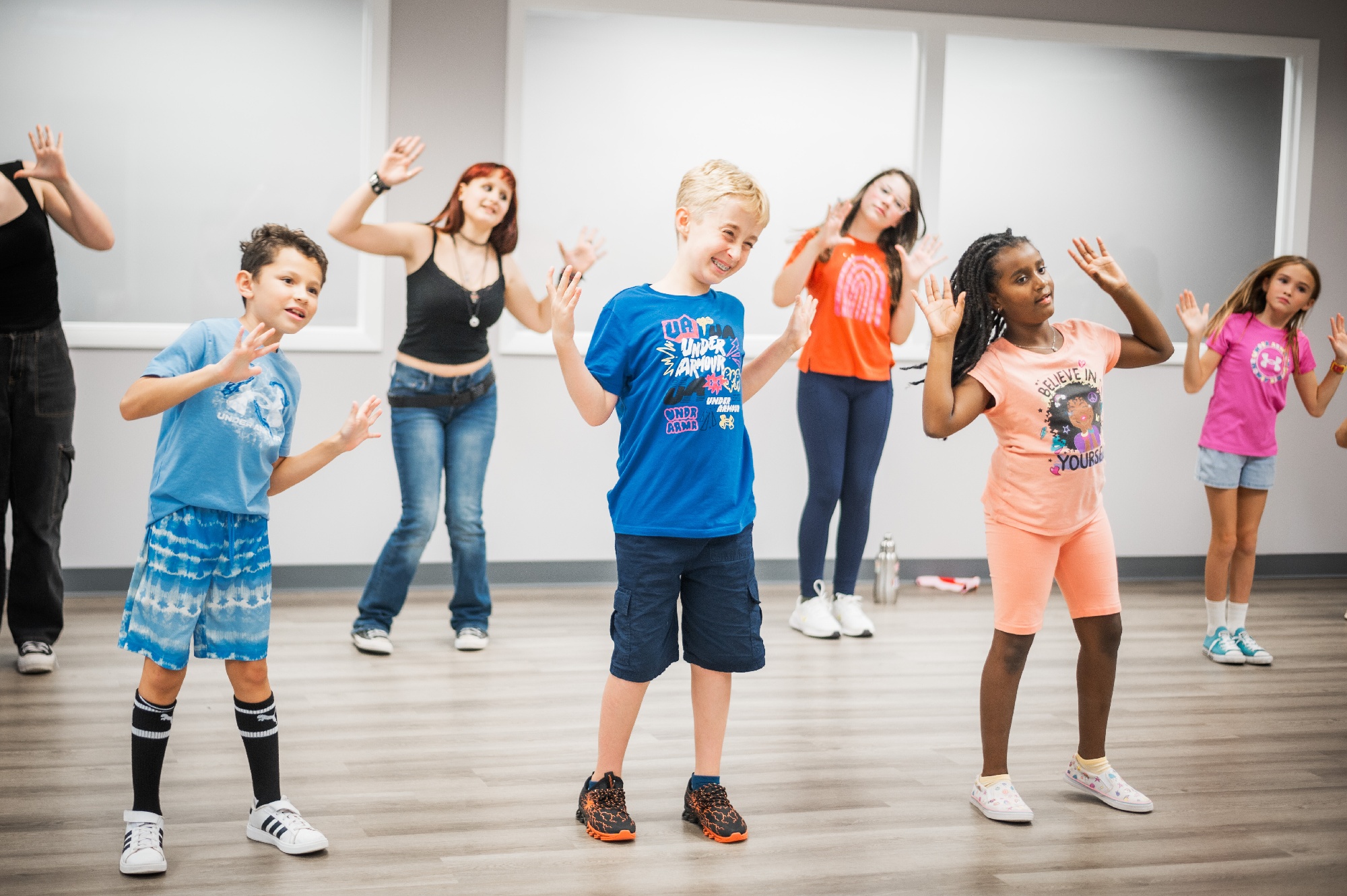
Musical theatre and acting give kids a place to sing, act, and move, but they also give them something bigger: a chance to grow. Many children come to their first class feeling shy, quiet, or unsure. After a season of learning lines, practicing choreography, exploring characters, and standing onstage with their cast, they often leave with new friends, stronger voices, and a sense of pride in what they can do.
Musical theatre is called a “triple threat” because it brings together singing, acting, and dance. That triple skill set also builds real-life abilities kids use every day at school, at home, and later in their careers. Acting and musical theatre classes also support core musical skills, such as listening, rhythm, pitch, and musical expression, that strengthen what children learn in voice and other music lessons.
In this article, we look at four powerful life skills kids gain through acting and musical theatre: teamwork, time management, vocal health, and audition readiness.
Spring is a popular time for musical theatre and acting classes in Flemington, NJ, as kids prepare for recitals, school shows, and summer programs. At Hunterdon Academy of the Arts, our goal is not only to help children perform better onstage, but to help them grow as confident, caring people offstage too.
Learning to Be a Great Teammate on and off Stage
In musical theatre, kids learn quickly that no one can carry a show alone. Every role counts. Leads, chorus members, dancers, and scene partners all work together to tell a story. When children see how a missed entrance or a forgotten line affects the group, they start to respect what each person brings.
In class, we see kids develop an ensemble mindset. They learn that:
-
The show needs every voice and instrument, not just the soloist
-
Background characters help scenes feel real and full
-
Supporting others makes the whole cast stronger
Acting exercises and scene work require children to listen deeply, react honestly, and respond in real time. Partner scenes, group songs, and choreography all ask students to:
-
Watch their marks and spacing
-
Adjust to others’ timing and energy
-
Share focus onstage and take turns in the spotlight
This kind of listening builds empathy. Kids notice when a castmate is nervous and offer quiet encouragement. They learn to clap for each other, not only for themselves. Casting also teaches important lessons. Sometimes a child gets the role they wanted, sometimes they do not. Over time, they practice:
-
Celebrating friends who land a big part
-
Handling disappointment without quitting
-
Staying committed to the group no matter their role
These teamwork skills show up in other areas of life. Group projects at school feel more natural. Sports teams and clubs become easier to join. Even at home, kids may become more helpful and thoughtful about doing their part. In our acting and musical theatre classes in Flemington, NJ, we group students by age so that even quiet children can feel safe, supported, and included in their ensemble.
Time Management Kids Actually Practice, Not Just Hear About
Many parents tell kids to manage their time, but musical theatre and acting give children clear reasons to do it. Rehearsals, homework, music practice, and other activities all need space on the calendar, so kids start learning how to plan.
To keep up with their show, students learn to:
-
Use a calendar or planner to track rehearsals and lessons
-
Break big tasks like memorizing lines or lyrics into smaller pieces
-
Set aside regular practice time during the week for acting, singing, and movement
Show dates are not flexible, so deadlines become real. Kids understand that the audience will be sitting in their seats on a certain day, ready to watch. This teaches responsibility and follow-through. They see that their castmates are counting on them to know their part, arrive on time, and be prepared.
Class routines also support good habits. Warm-ups, review, and new material follow a clear structure. Kids start to see how:
-
Repeating material over time builds confidence
-
A little bit of focused practice is better than last-minute cramming
-
Staying organized keeps stress levels lower
As spring fills up with school events, sports, and performances, children who are used to this structure often handle the busy season more smoothly. Many families notice that after a few months of consistent acting and musical theatre training, kids become more independent about their schedules and more aware of their own commitments.
Vocal Health, Musical Growth, and Body Awareness
Musical theatre is not just about singing loudly. It is about singing safely and musically. In class, kids learn how to warm up their voices, breathe from the diaphragm, and project without straining. These habits protect their voices during rehearsals, school days, and everyday conversations, and they support better results in private voice and general music lessons.
Healthy voice use might include:
-
Gentle vocal warm-ups before singing or speaking a lot
-
Good breath support instead of yelling from the throat
-
Understanding when to rest a tired voice
Because musical theatre involves songs and underscored scenes, students also practice musical skills such as:
-
Keeping a steady beat and clear rhythm
-
Matching pitch and singing in tune
-
Listening carefully to accompaniment and other singers
-
Shaping phrases to express emotion and tell a story
Acting, dance, and movement build body awareness. When kids practice posture, alignment, and safe technique, they improve coordination and reduce the chance of injury. They notice how their bodies feel, where they hold tension, and how to move with control.
The benefits reach beyond the stage. Singing, acting, and dance can help kids:
-
Release stress and extra energy in a positive way
-
Express big feelings through characters and stories
-
Calm their nerves by connecting breath and movement
Voice care and musical confidence are useful in many daily situations like class presentations, reading aloud, leading a group project, or cheering at a game without straining. At Hunterdon Academy of the Arts, our instructors pay close attention to signs of vocal or physical tension and guide students toward healthy, long-lasting habits that support both theatre work and other music studies.
Audition Readiness, Acting Skills, and Real-World Confidence
For many kids, the word “audition” sounds scary at first. But when they learn what to expect, it starts to feel more like a clear, manageable process. In acting and musical theatre classes, students practice audition basics, such as:
-
Saying their name and piece clearly, also called a slate
-
Singing a short section of a song with confidence
-
Performing short monologues and scenes that show character
-
Doing simple cold readings or acting out short scenes
-
Learning easy dance combinations in a group
We also give kids chances to perform in front of classmates in low-pressure settings. Mock auditions help them practice walking into a room, doing their best, and then stepping out with their heads high. Over time, they learn how to manage nerves, stay focused, and keep going even if they make a small mistake.
Acting and audition experiences are powerful ways to build resilience. Children discover that:
-
Not getting a role does not define their talent
-
Feedback is something they can use to grow
-
Trying again is a sign of strength, not failure
These skills carry over into school and community life. Kids feel more prepared to sign up for school plays, talent shows, and local theatre opportunities in and around Flemington. They also approach music auditions, such as choir placements or solo opportunities, with more calm and preparation. Acting and musical theatre classes in Flemington, NJ, at Hunterdon Academy of the Arts are designed to give students the tools, practice, and mindset to walk into any audition with more clarity and confidence.
Start Your Child’s Next Chapter in Music, Acting, and Musical Theatre
Spring often brings new beginnings, and it can be a great time for kids to start or deepen their musical theatre, acting, and music training. With upcoming recitals, school productions, and summer camps on the horizon, students have a natural timeline to build skills, set goals, and work toward performances they can be proud of.
Through musical theatre and acting, children gain far more than stage experience. They learn how to be strong teammates, manage their time, care for their voices and bodies, and handle auditions with courage. They also develop musical skills, like listening, rhythm, and pitch, that support them in choir, band, and private music lessons.
At Hunterdon Academy of the Arts in Flemington, we offer a warm, community-focused space where both beginners and experienced performers can grow. By giving kids this kind of training now, families help them build confidence, character, creativity, and a lifelong love of music that will support them in every chapter of their lives ahead.
Help Your Child Take the Stage With Confidence
If your child lights up when they sing, act, or dance, this is the perfect time to nurture that passion. At Hunterdon Academy of the Arts, we provide a supportive environment where students build skills, confidence, and lifelong friendships. Explore our musical theatre classes in Flemington, NJ to find the right fit for your child’s age and experience. Enroll today so they can start training, performing, and discovering what they can achieve on stage.

COMMENTS