Tips for Choosing the Right Piano Teacher in Flemington NJ
Learn what to look for in a great teacher and how piano lessons in Flemington, NJ can help your child grow musically and gain confidence this winter.
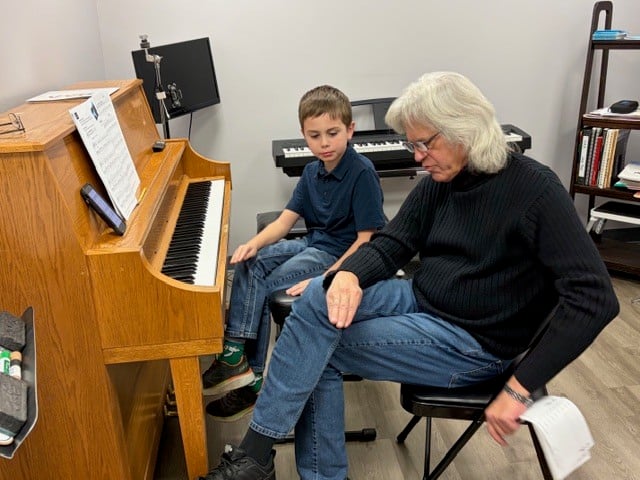
Children can start piano lessons at different ages, and there is no single birthday that makes someone “ready.” In our experience, interest, attention span, and a comfortable learning environment matter much more than starting early. The goal is not to rush a child toward advanced music. It is to help them enjoy learning, grow their skills, and feel proud of what they can do.
Many children are ready to explore piano between ages 4 and 7. Others benefit from waiting until they can focus for a short lesson, follow simple directions, and settle into a regular routine. Fall can be a natural time to consider piano lessons, since families are often finding their rhythm after the school year begins and looking for a creative activity outside the classroom.
Rather than focusing only on age, we encourage families to watch for signs that music is already catching their child’s attention. A young beginner does not need to be able to read music or know every letter of the alphabet. They simply need enough curiosity and focus to participate in the lesson experience.
A child may be ready to begin when they enjoy things like:
Singing along to favorite songs
Clapping to a beat or playing rhythm games
Noticing patterns in sounds or songs
Using both hands for simple activities
Sitting attentively for a short activity
Some children are naturally eager to perform, while others prefer to learn quietly before sharing music with anyone else. Piano lessons can work well for both personalities. Because each student can move at a comfortable pace, we can help a child build confidence gradually, whether they are outgoing, shy, energetic, or thoughtful.
Young students also do not need to own a piano before their first lesson. A skilled teacher can introduce the keyboard, basic rhythms, and simple songs through listening activities, movement, games, and age-appropriate instruction. Starting with a positive experience helps children see music as something enjoyable rather than something they have to get perfect.
Learning piano is about more than pressing the right keys. During lessons, students practice listening closely to rhythm, pitch, hand position, and instructions. They learn how to slow down, notice details, and work toward a goal one small step at a time.
Regular practice also gives children a chance to develop everyday habits that can carry into school and other activities. Even a few focused minutes can teach a student that progress comes from returning to a skill again and again. We often see children become more comfortable with the idea that mistakes are part of learning, not a reason to quit.
Piano study can encourage:
Focus and careful listening
Patience when a song feels challenging
Responsibility for practice routines
Time management around school and activities
Pride in steady improvement
Finishing a song can feel like a big accomplishment, especially for a young child. Playing for family members, sharing a favorite piece, or taking part in a recital gives students a chance to recognize their own growth. Those moments can help them feel more capable when they face new tasks in school, social settings, or other creative activities.
For many beginners, private piano lessons offer a welcoming way to get started. One-on-one instruction allows us to match the pace, song choices, and teaching style to each student. A child who learns best through movement may respond well to rhythm games, while another may enjoy listening, reading, or repeating short musical patterns.
A first teacher should be patient, clear, and comfortable working with children. Good instruction makes room for fun while still introducing the foundations that help students play with healthy technique and confidence. We want beginners to understand that learning music takes time, while also giving them songs and activities that feel rewarding from the start.
Practice does not need to become a daily struggle. Younger students often do best with short, consistent practice sessions several days a week. A calm routine and kind encouragement are usually more helpful than pressure. If a child misses a day or has trouble with part of a song, we can help them break the skill into smaller, manageable steps.
Piano can become a meaningful part of a child’s wider performing arts experience. As students grow, they may decide they also want to try singing, acting, musical theatre, or dance. Music lessons can support those interests by strengthening rhythm, listening, memorization, emotional expression, and the discipline to practice toward a performance. Acting and musical theatre classes also give children ways to practice communication, collaboration, resilience, creative problem-solving, and sharing ideas in front of a group.
A supportive first piano lesson can help you and your child decide whether the timing feels right. Rather than waiting for a perfect age or a perfect routine, pay attention to your child’s curiosity and willingness to try. With patient guidance, a child can begin exploring music in a way that feels encouraging, creative, and enjoyable.
At Hunterdon Academy of the Arts, we help young students develop listening skills, focus, confidence, and a lasting connection to music. Learn more about our piano lessons and find a learning experience that supports your child’s goals. Our instructors create engaging lessons that help children build skills at a comfortable pace.
Learn what to look for in a great teacher and how piano lessons in Flemington, NJ can help your child grow musically and gain confidence this winter.
Learn what to look for in a piano teacher who inspires confidence, supports progress, and makes piano lessons in Flemington, NJ enjoyable for kids
Learn how music lessons for kids in Flemington boost memory, math patterns, and reading skills while building confidence and creativity, no extra...