1 min read
How Kids’ Music Lessons in Flemington Support Memory, Math, and Reading
How Music Lessons Lift School Skills Without More Homework Parents want to help their kids do well in school, but it is easy for after-school time to...
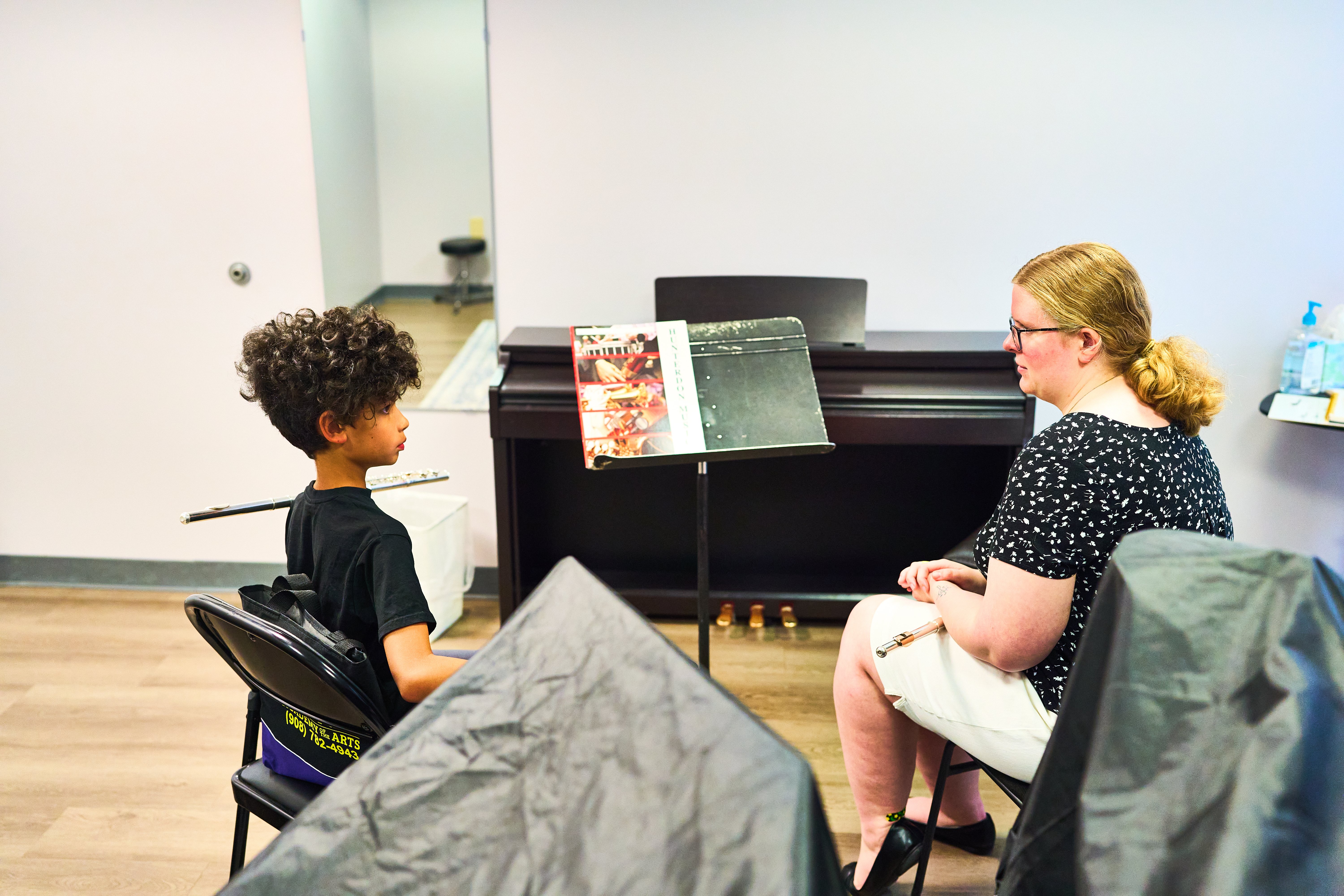
Musical theatre and music lessons are about more than big songs and bright lights. Behind every show and every class, there is a busy learning world where kids are building real-life skills that stay with them long after the final bow. Families often see the finished performance, but so much growth happens in the tiny moments in rehearsal and in weekly lessons.
During a busy season, with performances, school concerts, and community events, students are not just memorizing lines or music. They are learning how to be organized, manage time, work as a team, and stay calm when things change. These benefits show up in school, at home, and in friendships.
In our musical theatre and music classes in Flemington, NJ, students do learn to sing, act, dance, and play their instruments with confidence. But they also learn backstage habits like stage management, quick changes, props etiquette, and cue awareness. Those "hidden" lessons, practiced week after week in class, are where a lot of confidence and life skills are built.
Kids love feeling trusted, and stage management tasks in acting and musical theatre classes give them that chance. Even younger students can help with jobs that are just right for their age. They may check who is lined up for the next scene, keep track of simple props, or help remind friends of their entrances.
Some of the skills students practice as mini stage managers include:
Tracking who needs to be where and when
Keeping a simple checklist of props or costume pieces
Helping reset items between scenes
Giving clear, kind reminders to classmates
These tasks teach organization in a way that feels fun, not like homework. Kids learn that if they do not put something back in its place, it might be missing when someone needs it. They see how small actions affect the whole group, and that builds a strong sense of responsibility.
There is also a leadership side to it. When kids act like mini stage managers, they learn to:
Speak up clearly and respectfully
Make quick decisions when something changes
Ask for help instead of freezing under pressure
Support classmates so everyone feels safe and ready
The best part is how this carries over to daily life. Students who are used to thinking ahead for a show or a music recital often get better at planning out homework, packing their backpacks, or helping with family schedules. They start to think, "What has to happen first? What comes next?" That is exactly how a stage manager thinks, and it is the same mindset that helps them practice instruments, memorize scripts, and stay on top of schoolwork.
A quick costume change is one of the most exciting backstage moments for kids in musical theatre classes. There is a short amount of time, specific pieces that have to go on in the right order, and usually a little bit of chaos. At first, it can feel stressful, but with practice, students learn how to turn that high energy into smart planning.
We guide them to break the job into simple steps:
Laying out costume pieces in the order they will go on
Practicing the change slowly, then a little faster each time
Checking items before the show so nothing is missing
Asking a friend or teacher to be a "quick change buddy"
Quick changes are all about time management and preparation. Kids discover that if they set themselves up well, the fast moments are actually fun. And when something goes wrong, like a zipper that sticks or a hat that falls, they learn to adapt instead of panic. Maybe they skip one accessory, or a teacher steps in to help, and the show still goes on.
These small moments look a lot like real life. Getting ready on busy mornings, switching from school to sports to homework, or dealing with last-minute plan changes can all feel like "quick changes" in a day. Children who practice staying calm and flexible backstage are more likely to say, "Okay, what can I do now?" instead of melting down when things shift.
The same is true in music lessons: preparing for a surprise tempo change, playing with an accompanist, or adjusting to a new part in an ensemble teaches kids to listen, adjust, and stay composed under pressure.
Props can be anything from a fake book to a toy teacup, but backstage they are treated with real respect. We teach props etiquette in simple, kid-friendly ways so everyone understands how to care for shared items and spaces.
Basic props rules often include:
Every prop has a "home" and goes back there after each scene
Only the person who uses a prop in the show should handle it
No playing with props like toys, even if they look fun
If something breaks or goes missing, tell a teacher right away
Following these rules teaches more than stage habits. It builds attention to detail, respect for other people's work, and the habit of cleaning up. Kids see that when props are put away correctly, rehearsals run more smoothly and nobody is left searching at the last second.
These same ideas show up in daily life. When students learn that "everything has a home," it makes sense that school supplies belong in a backpack, or clothes belong in a drawer, not the floor. Respect for instruments, costumes, and classroom materials grows from the same root: this space belongs to all of us, and we are all responsible for it.
In music lessons, this respect extends to caring for instruments, putting them away properly, handling them gently, and keeping practice areas tidy. These simple habits build pride in their work and respect for shared spaces at home and at school.
Cue awareness is one of the quietest skills kids learn in musical theatre, but it is one of the most powerful. A cue is a signal that tells a performer what to do next. It might be a line, a musical phrase, a lighting change, or a stage direction. Learning to catch these signals takes practice and careful listening.
Students learn to:
Listen for specific words in a script that tell them to enter
Count music so they know exactly when a dance step starts
Watch for lighting changes that mark a new scene
Notice when a cast mate looks unsure and might need support
This kind of focus builds strong listening skills. Kids realize they cannot just wait for their own turn; they have to stay present for the whole scene. That helps with patience and attention span, both onstage and in the classroom.
Cue awareness also builds empathy and teamwork. When students understand that their timing affects everyone else, they start to think as a group, not just as individuals. They notice when someone misses a line and gently help move the scene forward. They cheer for each other when tricky moments go well. These same habits show up in sports teams, group projects, and friendships, where good listening and thoughtful timing matter just as much.
Music lessons reinforce these skills too. Counting measures, listening for entrances in an ensemble, and following a conductor or teacher all strengthen focus, discipline, and cooperation, benefits that support kids in every area of life.
The hidden lessons of musical theatre and music classes are often the ones families are most grateful for later. Stage management tasks, quick changes, props etiquette, cue awareness, and regular music practice quietly shape kids into organized, caring, and confident people. They learn how to plan, how to handle pressure, how to respect shared spaces, and how to listen and respond to others.
As kids settle into the school year and look for creative outlets, acting, musical theatre, and music lessons give them a place to grow on many levels at once. They build strong performance skills, but they also pick up everyday habits that make life smoother at home, at school, and in the community. For families exploring musical theatre and music classes in Flemington, NJ, the real magic is not only what happens onstage, but who children become through the lessons they take and the experiences they share behind the scenes.
If your child is ready to build confidence, sharpen performance skills, and have fun on stage, we are here to guide them every step of the way. At Hunterdon Academy of the Arts, our experienced instructors create a supportive environment where students can grow as singers, actors, and dancers. Explore our musical theatre classes in Flemington, NJ to find the right fit for your young performer. Reserve a spot today so they can start their next role with excitement and a strong foundation.
1 min read
How Music Lessons Lift School Skills Without More Homework Parents want to help their kids do well in school, but it is easy for after-school time to...
1 min read
Start Smarter: Questions That Make Lessons Count Not all music lessons are the same. Two students can take the same instrument and have totally...
1 min read
How Music Training Boosts School Success All Year Music lessons do much more than teach kids to play an instrument or sing a song. When children...