4 min read

How Kids’ Music Lessons in Flemington Support Memory, Math, and Reading

How Kids’ Music Lessons in Flemington Support Memory, Math, and Reading

How Music Lessons Lift School Skills Without More Homework

Parents want to help their kids do well in school, but it is easy for after-school time to turn into a pile of worksheets, tutoring, and stress. Many families in Flemington are looking for a way to support grades while still protecting playtime, family time, and sleep.

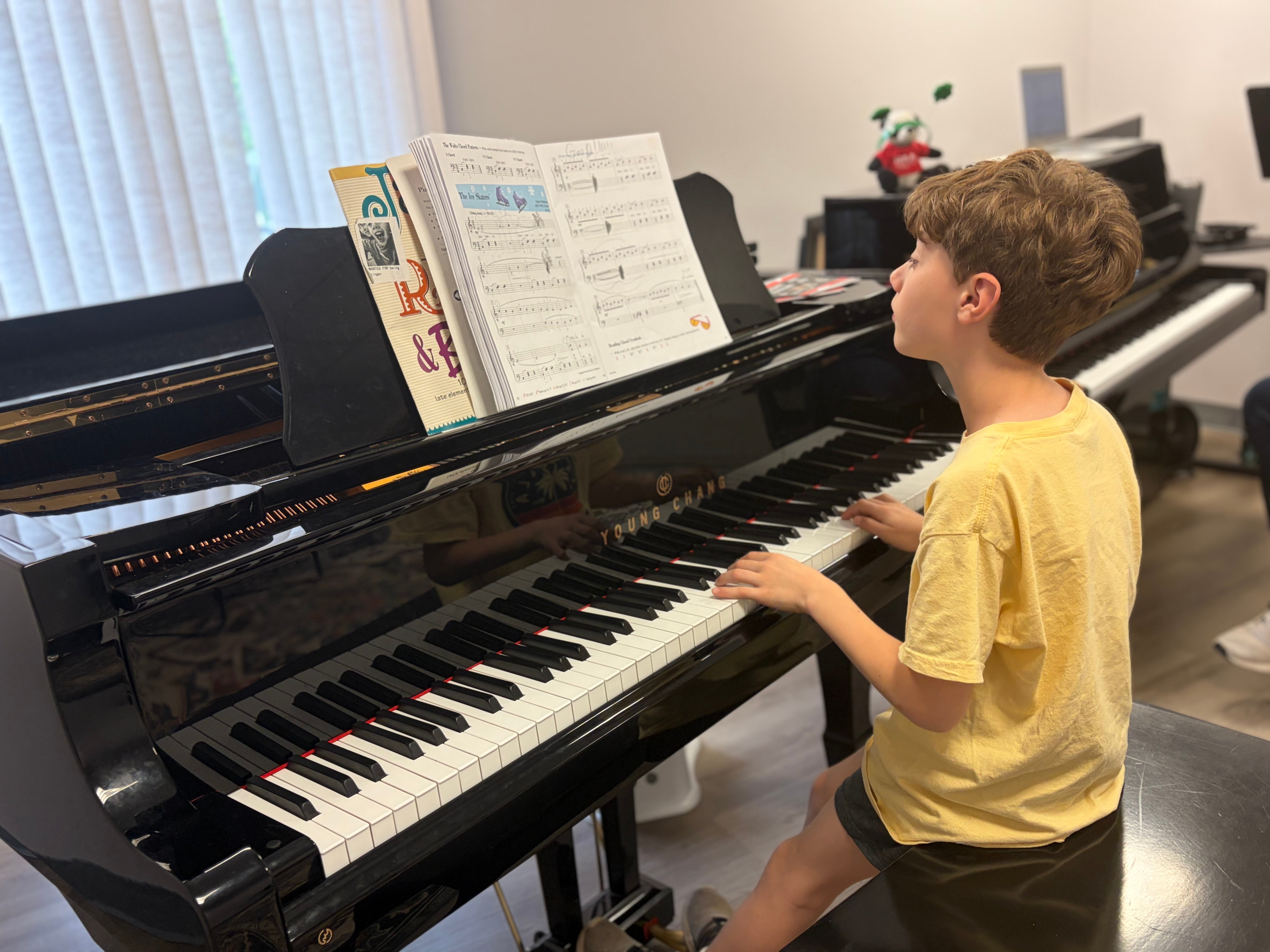
Music lessons for kids in Flemington can be a smart answer. Learning an instrument feels like a fun activity, but it quietly works the brain in powerful ways. Kids build memory, focus, and pattern skills that show up in math, reading, and test performance, without feeling like they are doing more schoolwork.

At our performing arts school in Flemington, we see this every day. Through music, acting, and musical theatre, students do not just learn songs and scenes. They grow confidence, discipline, and life skills that help them in the classroom and far beyond it.

The Brain Science Behind Music and School Success

When a child plays an instrument, many parts of the brain light up at once. They are reading notes, moving fingers, listening for pitch, keeping a steady beat, and thinking about what comes next. That mix of skills is very similar to what they use when they solve a math problem or read a page of text.

Music touches several key areas of learning:

  • Memory, as kids remember melodies, lyrics, and patterns
  • Language, as they connect sound to symbols and timing
  • Problem solving, as they figure out fingering, rhythm, and how to fix mistakes

Steady beat and rhythm connect closely to math. When a child counts beats, claps rhythms, or reads note values, they are working with fractions, sequencing, and patterns. Pitch and musical patterns relate to the way they hear syllables, notice word sounds, and decode new words.

Because music lessons happen week after week, the brain gets steady practice. It is like sports for the mind. Just as a soccer player builds muscles and stamina over time, a music student builds focus, memory, and quick thinking, all while doing an activity that feels creative and enjoyable instead of like extra homework.

How Music Lessons Sharpen Memory and Focus

Music students are always remembering something. They might be recalling where to place each finger, how a tricky rhythm goes, or when to come in after a long rest. That kind of practice helps both short-term and long-term memory grow stronger.

This can carry over into school in many ways:

  • Remembering spelling words and vocabulary
  • Keeping track of multi-step directions from the teacher
  • Holding information in mind during quizzes and tests

Playing an instrument also trains focus. To get through a song, kids have to stay with the music from beginning to end. They listen, adjust, and keep trying even if they miss a note. Over time, this teaches them how to stay with a task, tune out distractions, and finish what they start.

At our school, teachers use age-appropriate games and creative activities to build these skills. Younger kids might clap echo patterns, move to music, or play memory games with rhythm cards. Older students may tackle more complex pieces or ear-training challenges. It still feels like play, but behind the scenes their brains are learning to concentrate for longer stretches.

Building Math and Reading Skills Through Musical Patterns

Music is full of numbers and patterns, which is why it supports math learning so naturally. When kids work with rhythm, they are working with math ideas without even thinking about it.

For example, when students:

  • Count beats in a measure, they are practicing basic counting and grouping
  • Learn note values, they are working with fractions like halves, quarters, and eighths
  • Clap and tap rhythms, they are building sequencing and pattern recognition

Reading music also supports early reading skills. A music score moves from left to right, just like a page of text. Kids learn to track symbols across the page, connect each symbol to a sound, and move their eyes smoothly without losing their place.

This helps with:

  • Tracking words while reading
  • Reading more fluently and smoothly
  • Decoding new symbols and meanings in schoolwork

Music lessons for kids in Flemington give children a playful way to practice these skills at the start of the school year and all year long. While they enjoy making music, they are also getting extra time with math and reading concepts in a fresh, low-pressure format.

Confidence, Communication, and Life Skills Through the Arts

Academic skills are only part of school success. Confidence, communication, and social skills matter just as much. That is where acting and musical theatre can be especially helpful.

In acting and musical theatre classes, kids learn to:

  • Speak clearly in front of others
  • Listen closely so they can respond at the right time
  • Work as a team to tell a story

These skills show up in class presentations, group projects, and even everyday conversations with teachers and classmates. Rehearsal is also a great practice ground for strong study habits. Students learn to show up prepared, take direction, and keep going after a mistake instead of giving up.

When music, acting, and movement come together, kids also gain a healthy way to express feelings. They can turn worry, excitement, or frustration into performance. That can lower stress, improve mood, and support better relationships at school, because they feel more comfortable in their own skin.

Making Music Fit Busy School-Year Schedules

Many parents worry about adding one more thing to an already busy schedule. The good news is that weekly music lessons can be a calming, screen-free break that actually makes the rest of the week smoother.

A few simple choices can help music fit into family life:

  • Choose the format that matches your child: private lessons, small groups, or ensembles
  • Start with a manageable time commitment and build from there
  • Treat daily practice as a short reset, not a long chore

Short, consistent practice is often better than long, rare sessions. Even a focused 10 minutes can help kids unwind, shift gears from school, and clear their minds before homework. Because our lesson plans and performance events are built around the school year, families can plan ahead and balance arts with sports, homework, and family time.

At Hunterdon Academy of the Arts in Flemington, our goal is to support the whole child, not just their artistic side. Through music, acting, and musical theatre, kids gain memory, focus, confidence, and resilience that go hand in hand with strong school skills, all without adding more worksheets to the kitchen table.

Give Your Child a Strong Start in Music Today

If you are ready to nurture your child’s creativity and confidence, we are here to help at Hunterdon Academy of the Arts. Explore our music lessons for kids in Flemington and find the class that fits your child’s age, level, and interests. We will guide you through scheduling, placement, and next steps so your child can begin making music with joy and consistency.

What Makes a Music School Stand Out in Flemington NJ?

1 min read

What Makes a Music School Stand Out in Flemington NJ?

What Makes a Music School Stand Out in Flemington NJ? Choosing the right music school in Flemington, NJ, can feel like a big decision for families....
Read More
Beyond Teamwork: How Musical Theatre Teaches Kids Resilience and Feedback

1 min read

Beyond Teamwork: How Musical Theatre Teaches Kids Resilience and Feedback

From Stage Fright to Self-Control: Why Music and Theatre Matter A child standing in the wings before a show often feels a mix of nerves, excitement,...

Read More
What Happens When Kids Combine Music Lessons and Theatre

1 min read

What Happens When Kids Combine Music Lessons and Theatre

How Music and Theatre Together Help Kids Thrive

Read More