4 min read

Long-Term Academic and Brain Benefits of Music Lessons for Kids in Flemington

Long-Term Academic and Brain Benefits of Music Lessons for Kids in Flemington

How Music Training Boosts School Success All Year

Music lessons do much more than teach kids to play an instrument or sing a song. When children practice music week after week, their brains build new pathways that support learning in many school subjects. These changes do not happen overnight, but over time they can shape how a child thinks, listens, and pays attention.

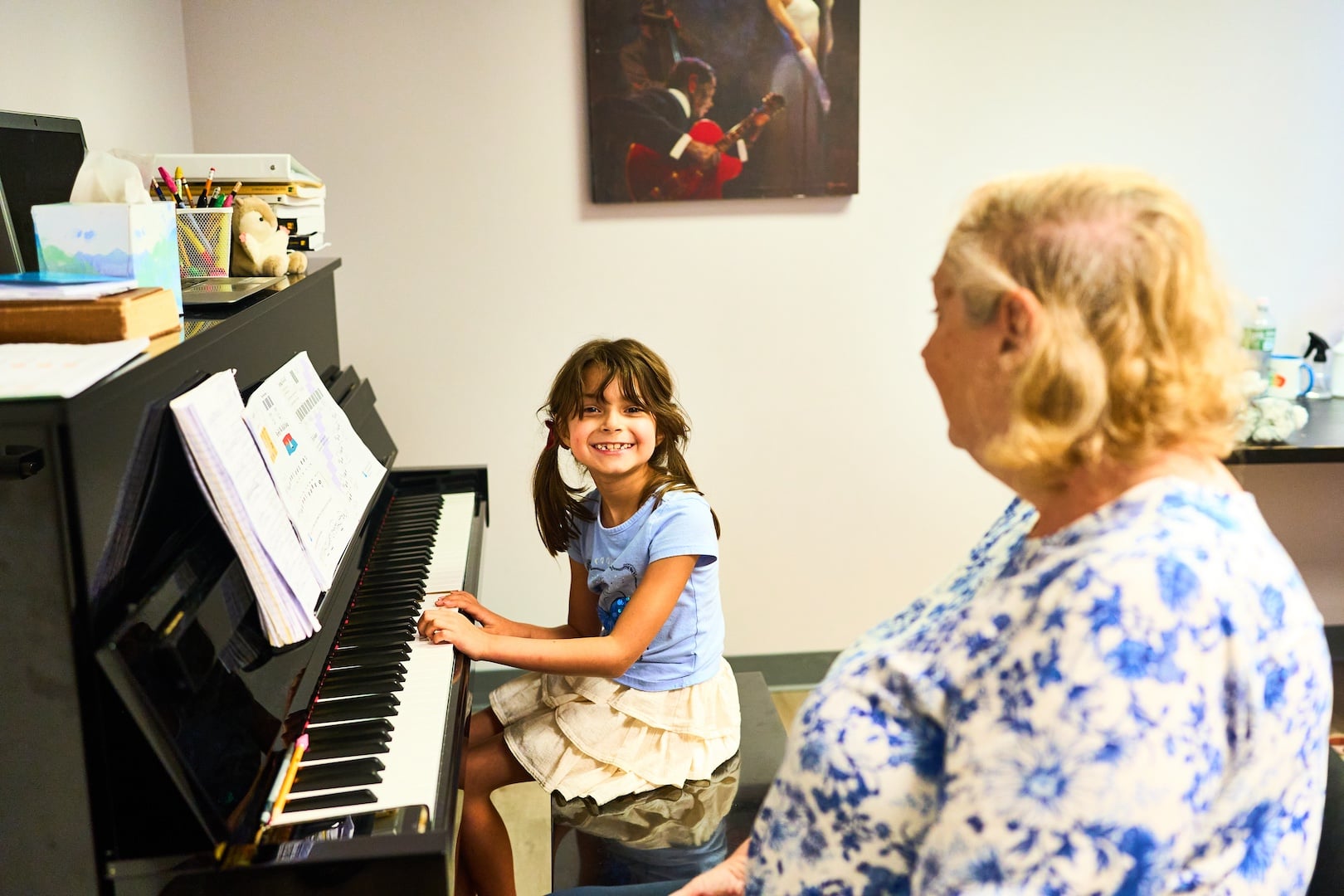
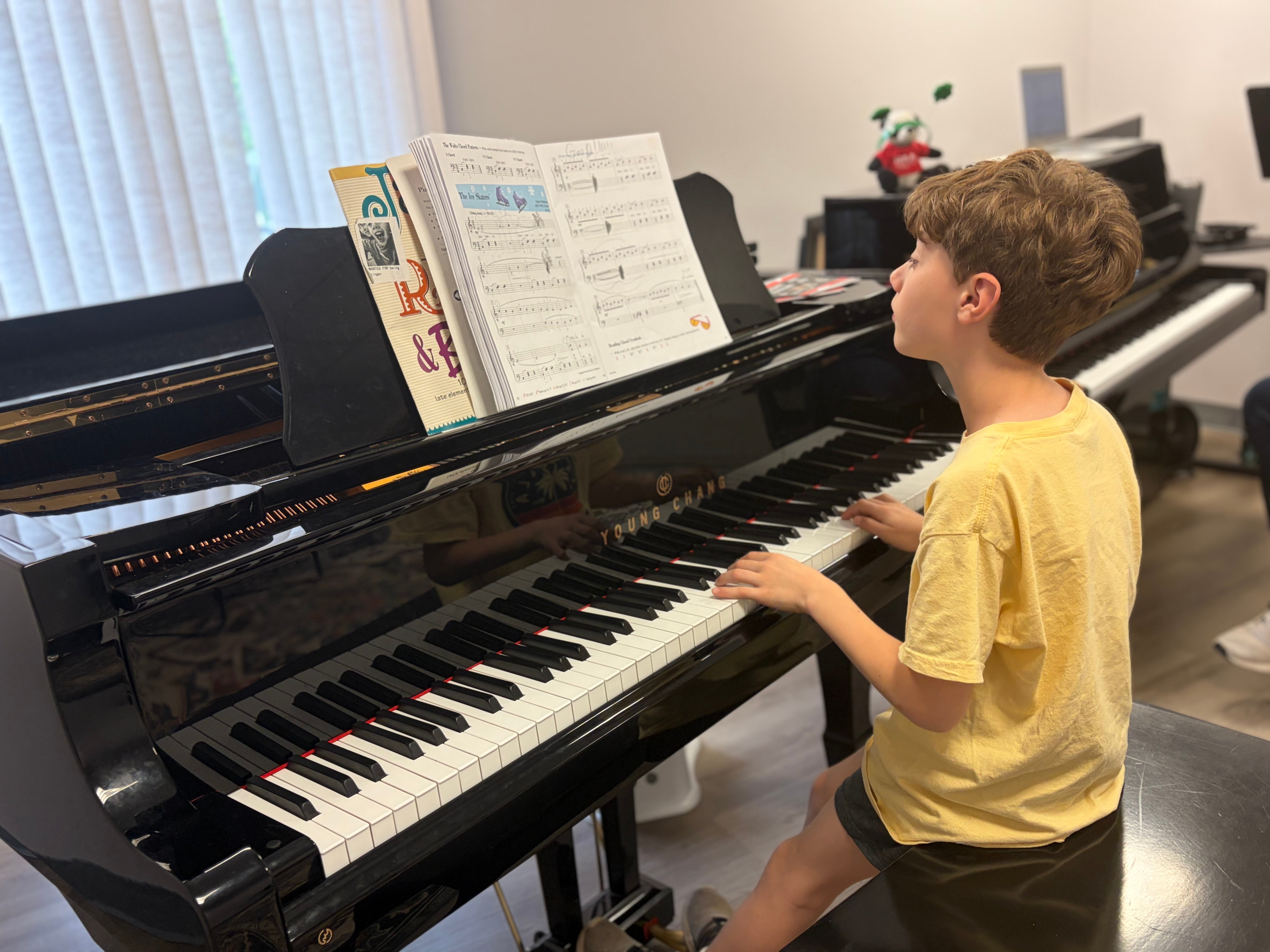
Many families who look for music lessons for kids in Flemington are hoping for better focus, more confidence, and stronger school performance. Music, acting, and musical theater can support all three. As kids settle into new routines, it is a great time to add an activity that builds both creativity and long-term learning skills.

At Hunterdon Academy of the Arts, we see this every day. Students come in for lessons, and they leave with tools that help them study, communicate, and handle challenges in and out of the classroom.

Stronger Memory Skills That Power Better Learning

Music is like a workout for memory. When a child reads notes on a page, remembers fingerings, and keeps a steady beat, the brain is juggling many pieces of information at once. This trains working memory, which is what we use to hold and use information in the moment.

Regular lessons also support long-term memory. Kids repeat scales, review songs from past weeks, and prepare pieces for performances. Over time, they learn how to store information and bring it back when needed.

These memory skills can show up at school in simple but powerful ways.

  • Remembering multi-step directions from a teacher

  • Holding math steps in mind while solving problems

  • Recalling vocabulary words and spelling patterns

  • Studying more efficiently because they know how to review

At our school, we structure lessons to grow memory in a gentle, encouraging way. Teachers use:

  • Short, focused repetitions of skills or song sections

  • Regular review of older pieces, not just new ones

  • Performance prep that teaches students to recall information under a bit of pressure

The environment stays supportive and low-stress, so kids feel safe trying again, even when they forget a note or line. That mix of repetition and kindness helps memory grow without fear of mistakes.

How Music and Theater Grow Language and Reading

Music is closely connected to language. When young children clap rhythms, tap to the beat, or sing simple songs, they are listening closely to sounds, syllables, and patterns. This sharpens phonological awareness, which is the ability to hear and work with the sounds inside words. Strong phonological awareness is one of the key skills that supports reading.

In music lessons, kids might:

  • Sing lyrics and notice how words fit into rhythm

  • Clap syllables in a song or chant

  • Listen for changes in pitch, which helps them hear differences in sounds

Acting and musical theater add another layer. When kids speak lines, tell stories, and sing in character, they practice expressive language. They work on:

  • Building vocabulary through scripts and lyrics

  • Clear articulation so the audience understands every word

  • Using tone, volume, and pacing to show meaning and emotion

  • Reading with expression instead of in a flat, monotone voice

Parents often notice classroom wins like smoother reading aloud, stronger book reports, and more confident presentations. A child who is used to speaking and singing on stage often feels more ready to raise a hand in class, read a passage out loud, or share ideas during group work.

Building Executive Function, Focus, and Study Habits

Executive function is a group of skills that helps kids plan, organize, focus, start tasks, and keep going even when things get tricky. It is like the brain’s manager. Strong executive function skills can make homework, projects, and test days much more manageable.

Weekly music lessons for kids in Flemington naturally build these skills. To learn an instrument well, a student needs to:

  • Set goals, like finishing a new piece or improving a tricky section

  • Manage time to fit in regular practice

  • Pay attention to small details such as finger placement and rhythm

  • Listen to feedback and adjust their playing

Acting and musical theater support executive function too. In rehearsals, students learn to:

  • Follow cues and stage directions

  • Keep track of scripts, props, and costume pieces

  • Work toward deadlines for shows and performances

  • Handle nerves and stay focused under stage lights

These habits look a lot like what kids need for school projects and tests. Planning ahead, practicing a little each day, and staying with a task even when it is hard are all study skills that can grow through arts training.


Confidence, Resilience, and Life Skills Beyond the Classroom

Performing can feel scary, especially at first. But each time a child plays in a recital, speaks in an acting class, or sings in a show, they learn how to handle nerves and keep going. This builds confidence that reaches far beyond music.

In our classes and productions, students learn to:

  • Accept feedback without feeling discouraged

  • Recover from small mistakes and continue performing

  • Celebrate progress instead of only focusing on perfection

The social-emotional benefits are just as important. Group classes and theater productions help kids practice:

  • Teamwork, since everyone needs to work together for a show to succeed

  • Empathy, as they step into different characters and viewpoints

  • Leadership, when they help younger students or take on a bigger role

  • Respectful communication with peers and teachers

When kids feel supported and believed in, they start to see themselves as capable learners. That mindset makes a big difference when they face challenges in any subject, not only in the arts.

Choosing the Right Music and Theater Path in Flemington

Every child is different, so there is no single path that fits everyone. Some kids are drawn to the piano or guitar, others feel at home with their voice, and some light up on stage through acting and musical theater.

Parents can think about:

  • Age and attention span, to decide between private lessons and group classes

  • Temperament, whether a child prefers quiet focus or outgoing performance

  • Learning style, such as visual, hands-on, or auditory

Starting in the fall can help families build a steady routine that supports new school-year goals. With regular lessons built into the week, practice becomes part of daily life instead of an extra burden. Many students also enjoy having winter and spring performances to work toward, which gives their practice a clear purpose.

At Hunterdon Academy of the Arts in Flemington, we talk with families about their child’s interests, schedule, and goals. Together, we shape a plan that makes it easier to commit to music lessons for kids in Flemington in a way that feels balanced and positive for the whole family.

Help Your Child Thrive With Inspiring Music Education

If you are ready to nurture your child’s creativity and confidence, our experienced instructors are here to guide them every step of the way. At Hunterdon Academy of the Arts, we tailor each lesson to your child’s age, interests, and learning style so they can grow at a comfortable pace. Explore our music lessons for kids in Flemington and reserve your child’s spot today. Let’s get them started on a musical journey that will benefit them for years to come.

How Kids’ Music Lessons in Flemington Support Memory, Math, and Reading

1 min read

How Kids’ Music Lessons in Flemington Support Memory, Math, and Reading

How Music Lessons Lift School Skills Without More Homework Parents want to help their kids do well in school, but it is easy for after-school time to...
Read More
10 Questions to Ask a Music Teacher in Flemington Before Enrolling

1 min read

10 Questions to Ask a Music Teacher in Flemington Before Enrolling

Start Smarter: Questions That Make Lessons Count Not all music lessons are the same. Two students can take the same instrument and have totally...
Read More
Summer Screen-Free Skills: Why Music Lessons Beat More Activities

1 min read

Summer Screen-Free Skills: Why Music Lessons Beat More Activities

Summer Skills That Last Longer Than Any Screen Time Many parents worry that summer will turn into a long stretch of scrolling, streaming, and gaming....

Read More