4 min read

How to Choose the Right Piano Teacher for Your Child

Piano Teacher

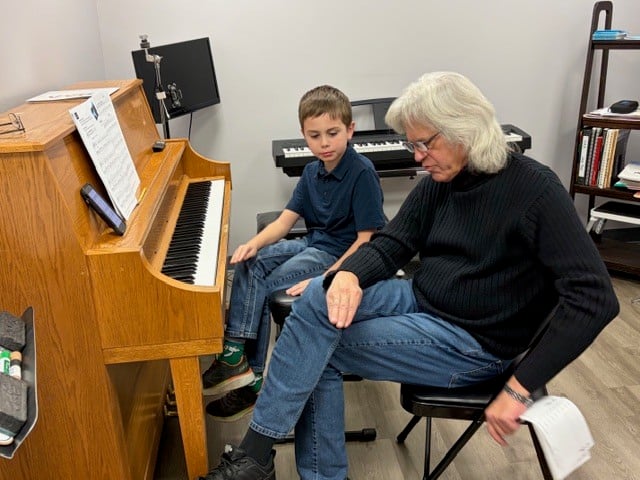
Choosing the right piano teacher can shape how your child feels about music for years to come. A warm, encouraging teacher can help a young student build musical skill while also learning patience, focus, creativity, and pride in steady progress.

At Hunterdon Academy of the Arts, we believe early piano lessons should feel challenging in a healthy way, not stressful or overwhelming. When children enjoy their teacher, understand their goals, and receive encouragement for their effort, they are more likely to stay interested and keep learning.

Give Your Child a Joyful Start at the Piano

A child does not need to be naturally gifted to enjoy piano lessons. What matters most at the beginning is finding a teacher who creates a positive experience and helps the child feel capable. Small wins, such as learning a first song, recognizing notes, or keeping a steady beat, can make a big difference.

Piano study also gives children a chance to practice skills that matter outside the lesson room. As they work through new pieces, they learn that progress often comes one step at a time. That lesson can carry into schoolwork, sports, friendships, and other activities.

Fall can be a helpful time to begin piano lessons in Flemington, NJ. Once the school year routine starts to settle, families can create a regular time for lessons and short practice sessions at home. A steady routine helps piano feel like a normal, enjoyable part of the week rather than one more thing to rush through.

Match the Teaching Style to Your Child’s Needs

Every child learns differently, and a good piano teacher notices those differences. Some children feel comfortable with clear routines, practice charts, and step-by-step goals. Others respond better to games, movement, favorite songs, or creative activities that make music feel more personal.

We recommend looking for a teacher who can adjust lessons based on your child’s age, personality, experience, and interests. A brand-new student may need simple directions and plenty of reassurance. A student with previous experience may be ready for stronger technique, music theory, and preparation for a performance.

When you speak with a prospective teacher, ask how they keep children motivated. Thoughtful answers may include:

  • Using music that fits the student’s age and ability

  • Setting small, reachable goals between lessons

  • Balancing note reading and technique with enjoyable songs

  • Giving parents clear updates about progress and practice

  • Making room for a child’s musical interests when possible

The right teacher does not expect every child to learn in the same way. Instead, they find ways to make the lesson meaningful while still teaching the skills a student needs.

Look for Experience That Builds Skills and Confidence

Musical training and teaching experience both matter, but so does the ability to work well with children. A teacher should know how to explain ideas clearly, correct mistakes kindly, and help students feel comfortable asking questions.

In a supportive performing arts school, confidence can grow when children feel safe trying something new. Piano students need room to make mistakes, repeat difficult sections, and celebrate improvement. They also need guidance that helps them move forward instead of becoming discouraged.

Quality piano instruction should include more than learning songs by memory. A well-rounded lesson can help children build:

  • Proper hand position and playing technique

  • Rhythm, counting, and steady timing

  • Note reading and basic music theory

  • Listening skills and ear training

  • Musical expression and healthy practice habits

Those abilities can prepare children for school music programs, ensembles, and future performances. Just as important, regular lessons can teach responsibility, perseverance, time management, and how to work toward a long-term goal.

Consider the Lesson Setting and Family Fit

Even a wonderful teacher may not be the best match if the lesson setting does not work for your family. Before enrolling, think about practical details such as location, scheduling choices, lesson length, the studio environment, and how the teacher or school communicates with parents.

A welcoming setting can make lessons feel more comfortable from the start. Children often do better when they know what to expect each week and feel familiar with the space where they learn. Consistency also makes it easier for parents to encourage practice without turning it into a daily argument.

Performance opportunities are another helpful question to ask. Recitals, informal performances, workshops, and group activities give students a reason to prepare and share what they have learned. Performing can help children build courage, poise, memorization skills, and confidence in front of others.

Families exploring piano lessons in Flemington, NJ may also appreciate a school where children can try other arts activities as their interests grow. Acting and musical theatre classes can complement piano study by building communication, self-expression, teamwork, empathy, and public-speaking skills.

Ask Questions Before You Commit

A trial lesson, consultation, or studio visit can tell you a lot. It gives you a chance to see how the teacher communicates, how your child responds, and whether the atmosphere feels calm and encouraging.

Bring a few practical questions with you, including:

  • How do you teach beginners?

  • What should practice look like at home?

  • How do you respond when a child feels frustrated?

  • Can students play music that interests them?

  • Are there recital or performance opportunities?

We also encourage parents to include their child in the decision whenever possible. A child does not need to choose every detail, but their comfort matters. When they feel heard and connected to their teacher, they are more likely to arrive at lessons with a positive attitude.

Take the First Step Toward Confident Music Making

The best piano teacher combines musical knowledge with patience, clear expectations, and a genuine interest in each child’s growth. As you compare options, pay attention to how a teacher talks about mistakes, motivation, practice, and progress. Those details often reveal whether the learning experience will feel encouraging over time.

Starting early in the school year can make it easier to build a dependable lesson and practice routine. With the right guidance, piano can become more than an activity on the calendar. It can be a place where your child learns to listen, persevere, express themselves, and feel proud of what they can achieve.

Build Musical Skills That Last

At Hunterdon Academy of the Arts, we help children develop technique, confidence, and a lasting connection to music through supportive instruction. Learn more about our piano lessons in Flemington, NJ and find a learning experience that fits your child’s goals and personality. Our teachers meet students where they are and guide them toward steady, meaningful progress.

Tips for Choosing the Right Piano Teacher in Flemington NJ

Tips for Choosing the Right Piano Teacher in Flemington NJ

Learn what to look for in a great teacher and how piano lessons in Flemington, NJ can help your child grow musically and gain confidence this winter.
Read More
What Age Should Your Child Start Piano Lessons?

What Age Should Your Child Start Piano Lessons?

Learn how to recognize when your child is ready for piano lessons and how early music education can build confidence, focus, creativity, and lifelong...

Read More
One More Time, With Feeling! (By Piano Teacher Stefanie Watson)

One More Time, With Feeling! (By Piano Teacher Stefanie Watson)

Take Piano Lessons with Ms. Watson and Play the Piano with Conviction!

Read More