Questioning Music Lessons for Kids? Hidden Benefits Parents Miss
Discover how music lessons for kids in Flemington build confidence, creativity, discipline, and social skills that support learning and growth beyond...
5 min read
Amanda Bogner : Published
Theatre training does a lot more than teach kids how to act. It quietly builds skills they use every day in school, like reading tricky passages, remembering key facts, working with classmates, and staying calm when everyone is watching.
We often see a shy student walk into our acting class in Flemington, head down and voice barely above a whisper. After a few weeks of reading scripts out loud, playing theatre games, and standing onstage with classmates, that same student starts raising their hand more in class and bringing home stronger grades. The stage becomes a practice space for the classroom.
The same habits that help a young actor bring a script to life also help with schoolwork. Reading dense chapters, doing group projects, and taking tests all feel easier when students have theatre tools in their back pocket. As report cards, midterms, and winter concerts come around, fall is a smart time to build those tools in a steady, low-pressure way through theatre classes in Flemington, NJ.
Scripts are not like regular textbooks. When students read a play, they have to figure out what the character really wants, how that character feels, and why they say each line. That kind of thinking naturally deepens reading comprehension.
At our acting and musical theatre classes, students regularly:
This steady script work stretches vocabulary and fluency, especially for kids who drag their feet about reading at home. Because a script is meant to be spoken, tricky words feel more like a challenge than a chore. Students learn to pay attention to punctuation, rhythm, and tone, which helps them read more smoothly in class.
Cold reads and table reads are also powerful practice for school tasks. When a student picks up a new scene and reads it aloud with very little prep, they are learning how to:
These skills carry into English, social studies, and even math word problems. For example, when we explore a character’s objective in a scene, we ask, “What does this person really want here?” In class, that same student can look at a long passage and ask, “What is the main idea?” or “What is the big goal of this paragraph?” Scene analysis trains the brain to look past surface details and find deeper meaning, which is exactly what teachers want in reading assignments.
Memorizing lines is not just repeating words over and over. Good actors use real memory strategies that translate perfectly to studying for tests.
In theatre, students learn to:
These same tools help with vocabulary lists, science facts, historical dates, and math formulas. Chunking makes a long study guide feel less scary. Association and visualization help information stick, because the brain remembers stories and pictures better than plain words.
Our acting and musical theatre classes give students a safe, playful space to practice recall under light pressure. They know classmates are cheering for them, not judging them. When they forget a line, we laugh, breathe, and try again. That routine teaches an important lesson: a memory slip is not the end of the world; it is just a chance to refocus.
For kids who struggle with focus or anxiety, learning how to take a full script and break it into daily goals can be a huge help. The same plan works for a big test: study one section at a time, review often, and stay patient. Over time, students start to trust their own memory, which takes a lot of fear out of schoolwork.
A theatre cast works very much like a group project team. Every part matters, even the quiet ones. Everyone has to show up on time, know their work, and help others look good so the final performance is strong.
In our theatre classes in Flemington, NJ, students learn how to:
Rehearsal is full of small social moments that build real-world skills. Someone forgets a prop, so another student steps in with a fix. A classmate is nervous, so the group offers support. Lines overlap and students must adjust timing together. These moments teach empathy, patience, and flexibility.
The roles kids try out in rehearsal, like leader, organizer, supporter, or creative problem-solver, often show up later in school projects. A student who has learned to help a cast stay on track may naturally help a science group stick to deadlines. A student who has practiced stepping back to give someone else the spotlight may be more willing to share the stage during a big classroom presentation.
Teachers love to see students who:
Theatre gives real practice with all of these, one rehearsal at a time.
Stage nerves and test nerves feel very similar, heart pounding, shaky hands, thoughts racing. The difference is that in acting and musical theatre classes, we talk openly about those feelings and give students tools to handle them.
At Hunterdon Academy of the Arts, we help students:
Every class sharing, scene presentation, or small recital is a chance to practice being “on the spot” in a low-stakes way. Over time, students learn that nerves can be a sign of excitement, not danger. They still feel butterflies, but they know what to do with them.
This kind of confidence shows up on test day, during oral reports, and when a teacher suddenly calls on them. Instead of freezing, students think, “I have done harder things on stage. I can handle this.” As schools fill up with performances, concerts, and assessments in late fall and winter, those habits become especially handy.
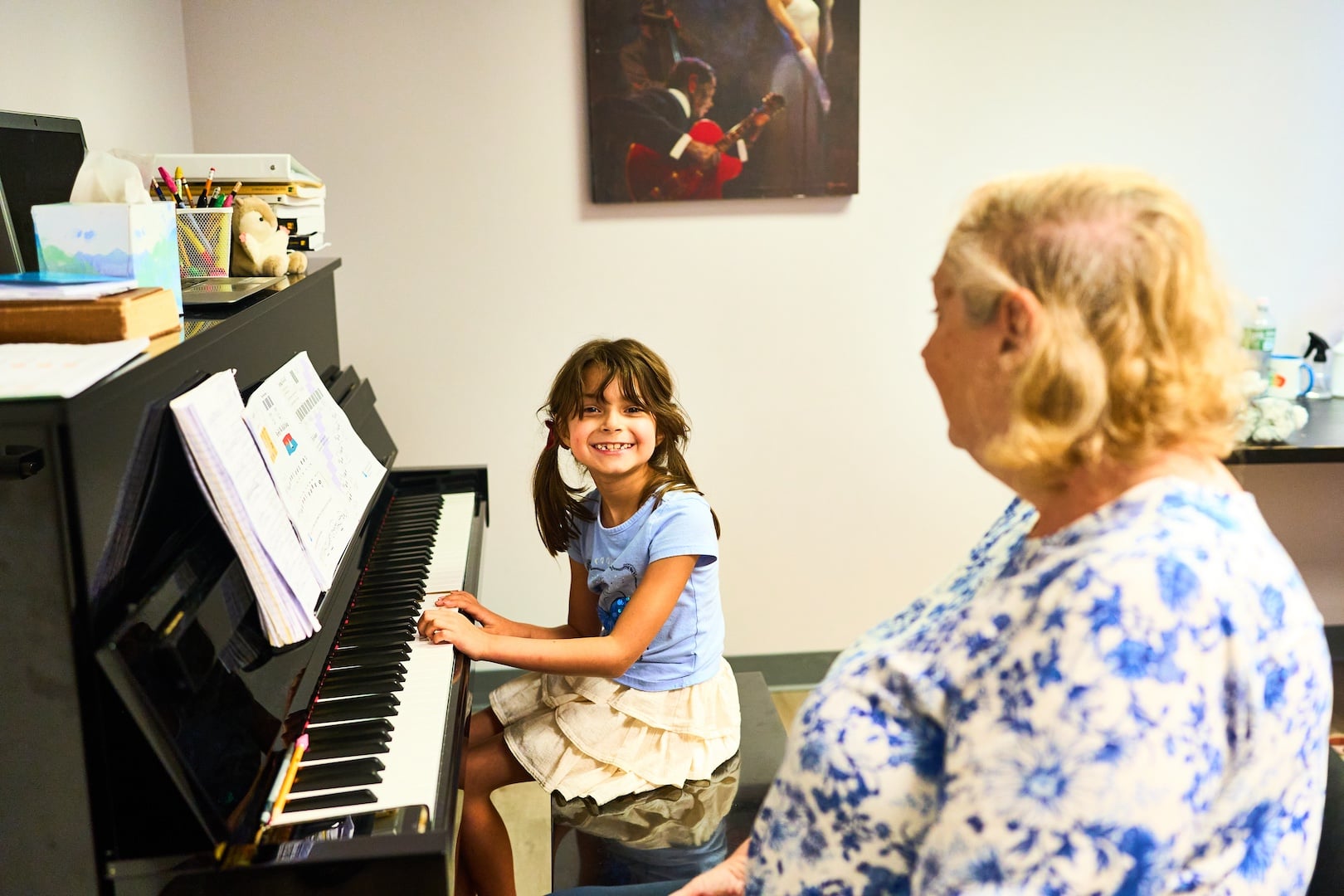
Theatre is not the only way the arts support school success. Music lessons, like voice, piano, guitar, and more, also build strong learning skills.
Daily or weekly practice teaches students to:
These habits support math, reading, and problem-solving. Reading music trains the brain to recognize patterns quickly. Keeping a steady beat helps with focus and timing. Working on a tricky piece over many weeks builds patience and grit.
Performing in music recitals at Hunterdon Academy of the Arts helps students develop poise in front of an audience. When a mistake happens, they learn to keep going instead of stopping in frustration. That skill alone is powerful in school, where small mix-ups happen all the time.
When families combine music lessons with acting or musical theatre classes, children gain a well-rounded performing arts foundation. They learn to express themselves with words, movement, and sound. They also gain many different chances to practice courage, discipline, and creativity, all of which reach far beyond the stage and straight into the classroom.
If you are ready to nurture your child’s creativity and stage presence, our theatre classes in Flemington, NJ provide a welcoming place to grow. At Hunterdon Academy of the Arts, we guide students step-by-step so they can build confidence, make friends, and feel proud of their progress. Reserve a spot in an upcoming session today so your child can start building skills that last long after the curtain closes.
Discover how music lessons for kids in Flemington build confidence, creativity, discipline, and social skills that support learning and growth beyond...
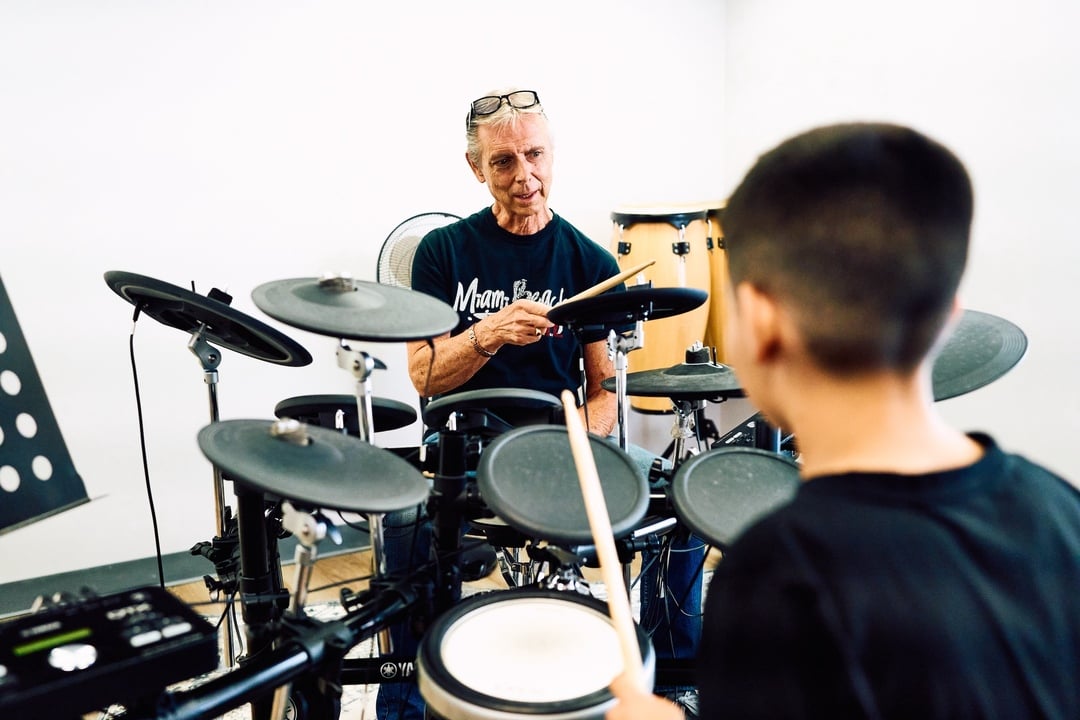
Explore benefits and concerns of private music lessons in Flemington, NJ for kids, plus tips for choosing a teacher that builds confidence and skills.
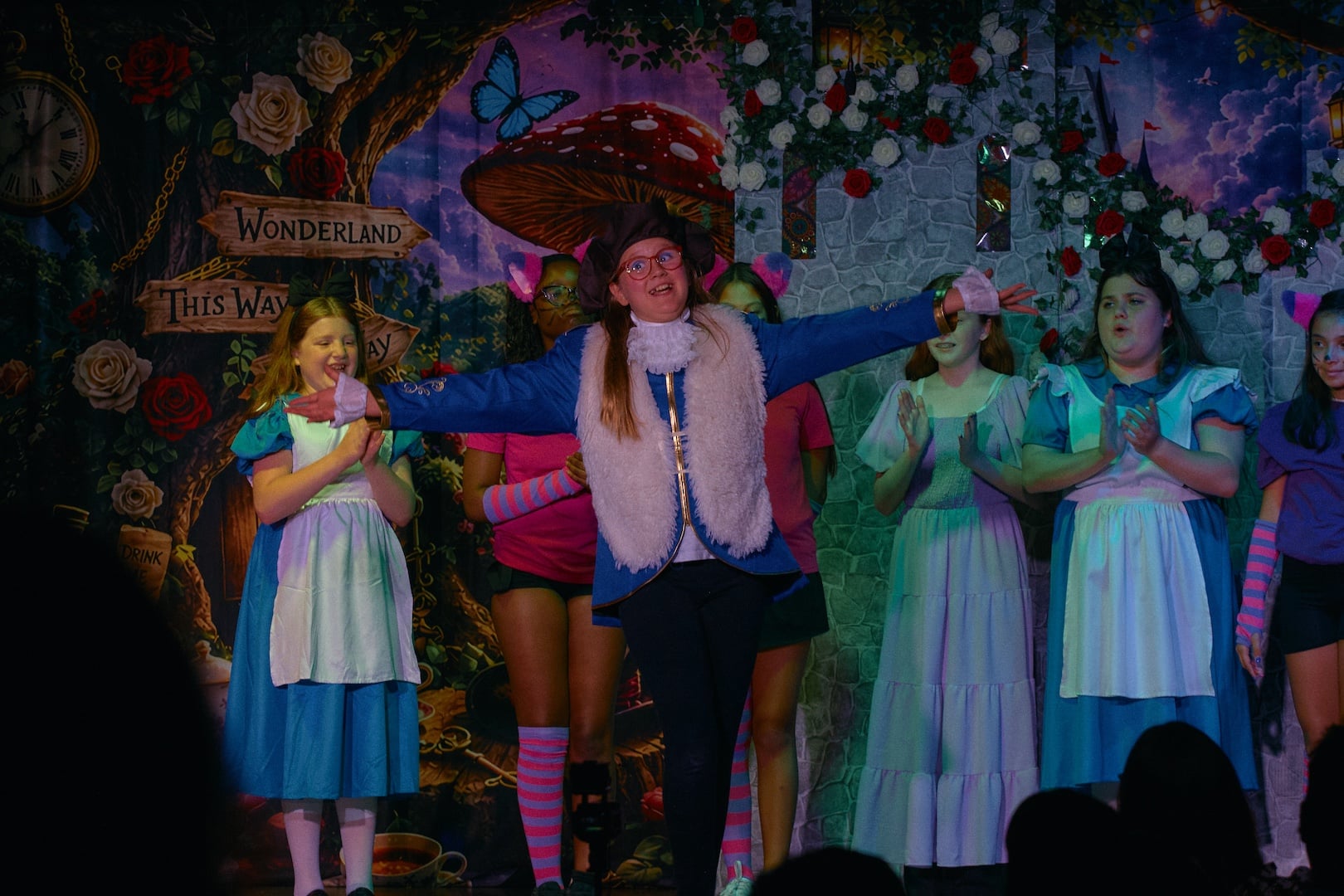
Get a parent-friendly overview of kids acting classes in Flemington, including class flow, warm-ups, improv games, and progress in the first month.