6 min read

Kids Acting Class in Flemington: Parent’s Guide to the First 4 Weeks

Kids Acting Class in Flemington: Parent’s Guide to the First 4 Weeks

See Your Child Shine on Stage and Beyond

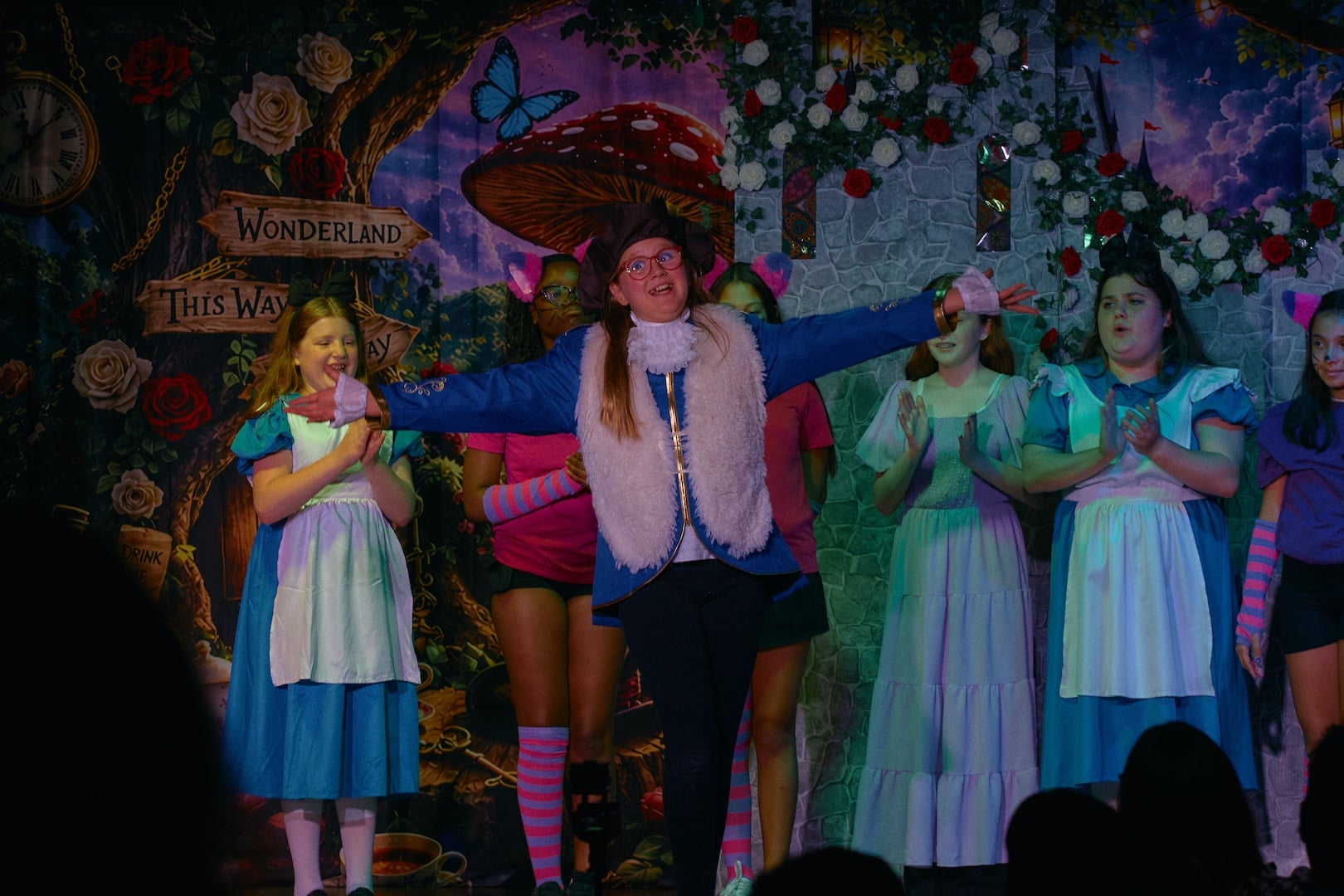
A kids acting or music class can be a safe place for shy children to open up and for outgoing children to channel their energy in a positive way. Parents often notice that once a child starts speaking up in class or playing their first simple song, that confidence shows up in school, friendships, and even at the dinner table. When kids feel seen, heard, and proud of what they are learning, they usually stand a little taller in every part of life.

In this guide, we will walk you through what the first four weeks of kids acting classes in Flemington usually look like and how acting, musical theatre, and music lessons all build lasting life skills. We will share how classes are structured, what warm-ups and games are common, what early progress you can realistically expect, and how music lessons fit into your child’s overall growth. Fall often brings new school schedules and routines, and it can be a natural time to add a creative outlet that balances homework with something joyful and expressive.

At Hunterdon Academy of the Arts in Flemington, we have been welcoming students into music, acting, musical theatre, and dance classes for many years. Our focus is on confidence, creativity, communication, and steady skill-building, not instant stardom. Let us show you what happens inside the classroom and lesson room so you can picture your child there with us.

What to Expect in Your Child’s First Acting Class

When children arrive for class, the first goal is simple: help them feel safe and welcome. A typical kids acting class with us usually follows a clear and friendly routine:

  • Arrival and check-in
  • Community circle or quick group chat
  • Warm-ups
  • Main activity such as scenes, games, or group exercises
  • Short closing reflection or sharing

At the start, the teacher often gathers everyone in a circle. Kids might share their name, a favorite movie or song, or how their day was. This small ritual shows each child that their voice matters, and it gives shy students a predictable way to speak, even if they only share a word or two at first.

The classroom atmosphere is supportive, so mistakes are treated as part of learning. It is also non-competitive, so kids cheer for each other instead of comparing. Everything stays age-appropriate as well, so younger children move often and older ones get more complex challenges.

We know that children open up at different speeds. Our teachers offer gentle invitations like, "Would you like to try the next line?" or "You can stand next to a friend if that feels better." At home, you can support this by:

  • Asking open questions like, "What game did you like today?"
  • Praising effort instead of performance
  • Avoiding pressure to "put on a show" if your child is not ready

Warm-Ups That Build Focus, Confidence, and Voice

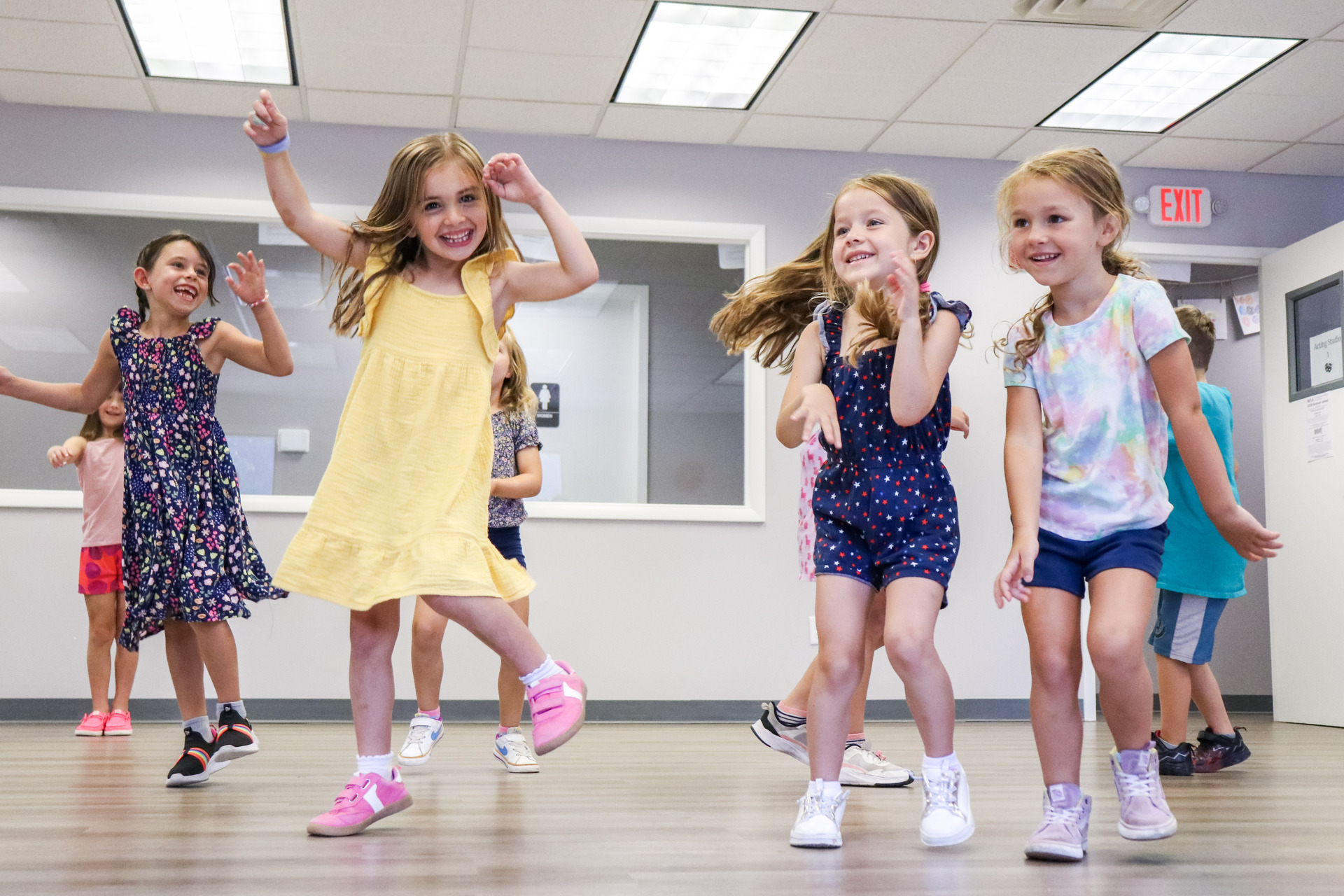
Warm-ups are where the work quietly begins. They help children shift from their school day or home life into creative mode, and we usually include three types of warm-ups: physical, vocal, and focus-based.

Physical warm-ups might include gentle stretches or shaking out arms and legs, simple movement patterns like walking, stopping, and changing directions, and facial stretches to loosen the jaw and cheeks.

Vocal warm-ups often include breathing exercises to support a clear, steady voice, simple sounds, hums, and tongue twisters, and playful exploration of volume, from whisper to strong speaking voice.

Focus games help kids pay attention and be present. Teachers may use activities like passing a clap or sound around the circle, quick name games with eye contact, or call-and-response patterns that require careful listening.

These warm-ups are not just for stage life. They teach children how to handle nerves before a class presentation, use a clear, confident voice when answering questions, and listen closely and follow directions.

Over the first four weeks, the warm-up routine becomes familiar. Kids start to know what is coming next, so they relax sooner and are more willing to try new things. That sense of routine often helps even the most cautious child feel safe enough to take creative risks.

Improvisation Games That Spark Creativity and Teamwork

Improvisation, or improv, is a key part of many kids acting classes in Flemington. It simply means making things up in the moment. It sounds scary at first, but for kids, it quickly turns into play. Some common improv games include:

  • “Yes, And…” where one child starts an idea and the next child adds to it
  • Emotion scenes, where a simple scene is played with different feelings, like happy, worried, or surprised
  • Character walks, where kids walk around the room as different characters, like a teacher, a pirate, or a very old person

Our instructors adjust these games to match the age and comfort level of the group. Younger children might do shorter, sillier scenes, while older ones can handle more complex prompts and storylines.

Through improv, kids learn to listen closely to what others say, build on ideas instead of shutting them down, and respond in the moment without freezing up.

These skills carry over into everyday life in clear ways, including group projects at school (where kids must share ideas and compromise), problem-solving (when plans change or something goes wrong), and empathy (as they “step into” different characters and points of view). Over a few weeks, you might hear your child talk about a favorite game or funny moment. That laughter is a sign that they are growing more comfortable thinking on their feet.

What Progress Looks Like in the First Four Weeks

Parents often wonder what kind of change they should look for in the first month. Progress can be quiet at first, but it is there, and it often shows up in small, steady steps from week to week.

Week 1 is all about getting used to:

  • The classroom space
  • The teacher’s voice and style
  • Class rules and routines

Some children jump right in, while others choose to watch more than they speak. Both are normal.

By Week 2, many kids start:

  • Trying short lines or repeating fun phrases
  • Joining in group games more fully
  • Making simple choices about characters or actions

In Week 3, you might notice:

  • More eager participation in games
  • Less hesitation to stand up in front of the group
  • Growing comfort working with partners or small groups

By Week 4, common milestones include:

  • Better focus during instructions
  • Starting to remember simple lines, patterns, or blocking
  • Showing respect for turn-taking and personal space

Most important, progress is not just about acting talent. It often shows up as stronger listening skills, improved self-control during exciting activities, confidence in sharing ideas and asking questions, and new friendships and a sense of belonging.

How Acting and Musical Theatre Classes Shape Lifelong Skills

Acting and musical theatre classes help children grow far beyond the stage. In acting, students learn to speak clearly and project their voice, read body language and understand how emotions look and feel, and work as part of a cast or ensemble by taking turns and supporting one another.

Musical theatre blends acting, singing, and movement. In these classes, children learn to tell a story through both words and songs, build coordination by combining simple choreography with lyrics and dialogue, practice memory skills as they remember lyrics, lines, and staging, and develop time management by balancing learning songs, scenes, and dances.

Together, these experiences teach life skills such as:

  • Teamwork, as they rely on one another to start cues, sing harmonies, and move in sync
  • Resilience, because they rehearse, adjust, and try again when something does not go as planned
  • Leadership, when they help a classmate remember a line or confidently take on a featured role

Children often carry these skills into everyday life: speaking up in class, working calmly on group projects, and feeling more comfortable meeting new people.

The Benefits of Music Lessons for Children

Music lessons are another powerful way for children to build confidence and life skills. Whether a child studies piano, voice, guitar, or another instrument, they gain benefits that reach far beyond the lesson room.

In private or small-group music lessons, children learn to:

  • Set small, reachable goals, such as learning a new song or mastering a tricky rhythm
  • Practice regularly, even when they do not feel like it, which builds discipline
  • Listen carefully to pitch, rhythm, and tone, strengthening focus and attention to detail

Over the first few weeks, a child might learn how to sit or stand with good posture, understand basic musical patterns such as steady beat or simple scales, and play or sing short pieces that they can share at home.

The life skills from music lessons often show up in school and daily routines:

  • Improved concentration for homework and reading
  • Better time management as they fit short, regular practice into their week
  • Patience and perseverance when they repeat a section until it feels easier

As children continue, they also experience:

  • A sense of accomplishment when they master a song or perform in a low-pressure recital

  • Creative expression, choosing pieces that match how they feel or the stories they want to tell

  • Responsibility, as they care for their instrument and show up prepared for lessons

How Acting, Musical Theatre, and Music Lessons Work Together

Acting, musical theatre, and music lessons often support each other in powerful ways. When children explore more than one area, they build a fuller set of skills.

Acting and musical theatre help kids with:

  • Clear speech and expressive language
  • Emotional understanding and empathy
  • Working as part of a cast or ensemble
  • Confidence performing in front of others

Music lessons add:

  • Focus and discipline from regular practice
  • Strong memory and pattern recognition
  • Patience and perseverance while learning new pieces
  • A deeper sense of rhythm and musicality that supports singing and movement

At Hunterdon Academy of the Arts, we offer acting, musical theatre, music lessons, and dance in a supportive setting. Students are encouraged to explore different classes as they grow. A child might start in acting, then add singing, or begin with piano and later try musical theatre. Some children discover that the combination of acting and music helps them feel especially confident and expressive.

Over time, these experiences help children:

  • Feel comfortable in front of others
  • Handle feedback and try again after mistakes
  • Express feelings in healthy, creative ways
  • Build routines and habits that support success in school and beyond

Together, these are skills that serve them well, whether they choose to perform on big stages or simply want to speak with confidence, listen thoughtfully, and bring creativity into everyday life.

Help Your Child Shine On Stage With Expert Acting Training

If your child is ready to build confidence, creativity, and communication skills, our team at Hunterdon Academy of the Arts is here to guide them. Explore our kids acting classes in Flemington to find the right fit for their age and experience level. We keep class sizes small so every young actor gets personal attention and meaningful time on stage. Reserve a spot now so your child can start discovering their unique voice and presence in a supportive, fun environment.

Questions Parents Ask Before Kids Start Acting Classes

1 min read

Questions Parents Ask Before Kids Start Acting Classes

How Acting Classes Help Kids Shine Onstage and Off Kids who love pretending, telling stories, or singing along to show tunes already have the spark...
Read More
What Jazz Dance Classes in Flemington Teach Kids Beyond Technique

1 min read

What Jazz Dance Classes in Flemington Teach Kids Beyond Technique

How Jazz Dance, Music, and Theatre Build Confident, Creative Kids Jazz dance is a great way for kids to move, have fun, and learn about...

Read More
How to Choose a Musical Theatre Class in Flemington: Key Qualities

1 min read

How to Choose a Musical Theatre Class in Flemington: Key Qualities

How the Right Musical Theatre Class Helps Kids Thrive Choosing activities for kids can feel like a puzzle. School is starting, homework is picking...

Read More