Valentina Jotovic 11 min read

Guide to Getting Started With Drum Lessons at Any Age

Drum lessons can offer something exciting for just about anyone. Kids, teens, or adults all have something to gain from learning how to play. Whether you're just starting to explore music or you've been curious about drumming for years, now might be the perfect time to get going. Spring makes it easier to start fresh, and picking up an instrument like drums is a great way to stay active, focused, and creative.

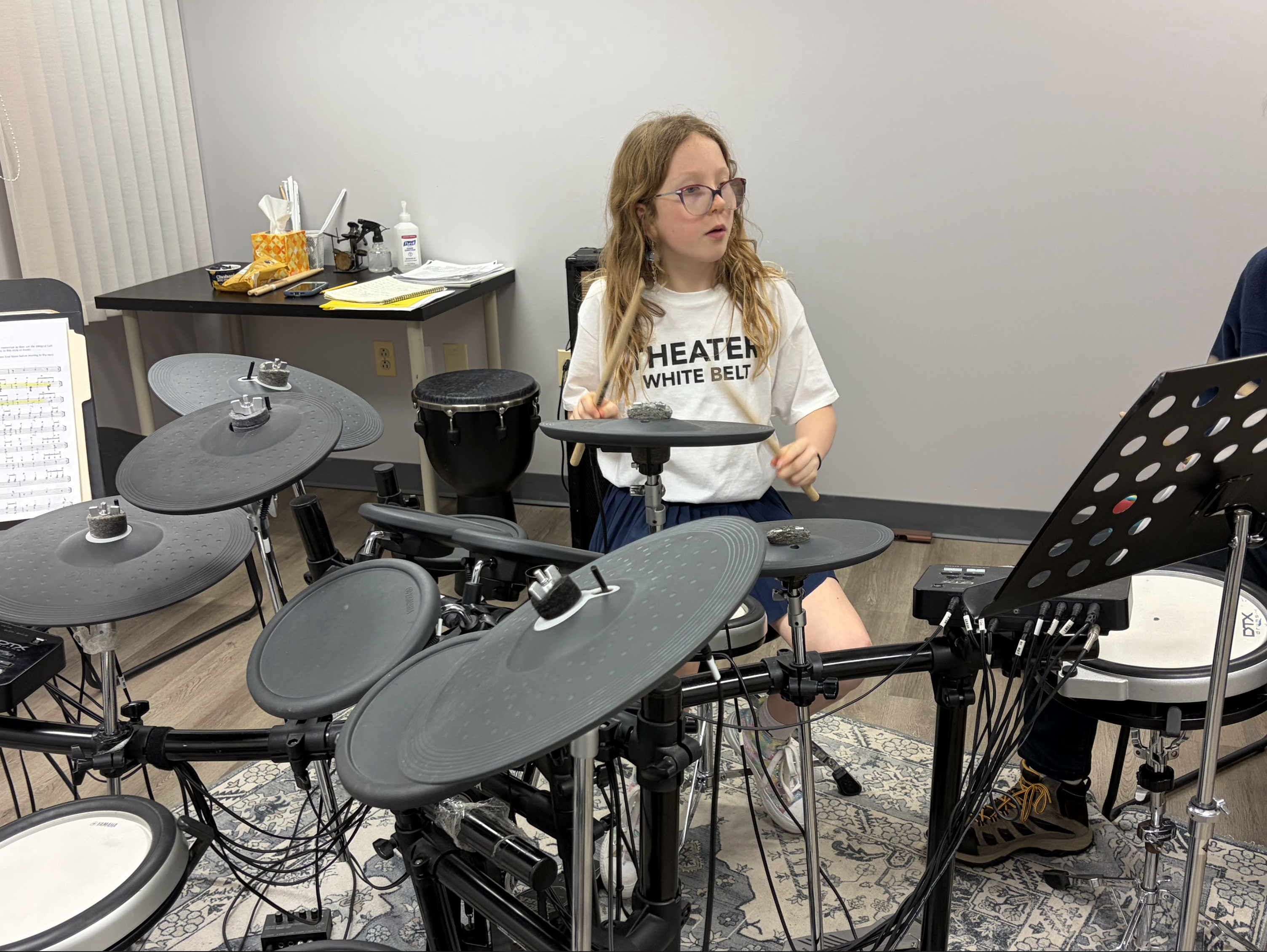
We often meet students of all ages ready to try drumming for the first time. Some are looking for a fun hobby, others want to build rhythm and discipline, and some simply want to make music with their hands. No matter the reason, the goal is the same: to learn something new and enjoy the process along the way. At Hunterdon Academy of the Arts in Flemington, students can enroll in 30- or 60-minute weekly drum lessons with flexible scheduling and up to four make-up lessons each month, which makes it easier to keep a steady routine as they get started.

Why Spring Is a Great Time to Start Learning Drums

Spring in Flemington, NJ, brings a noticeable shift in energy. Days get longer, jackets get lighter, and schedules settle a bit after the busy winter season. That makes it one of the best times to try something new, like picking up an instrument.

Here’s why spring works so well for starting drum lessons:

  • As school events settle down, families often have fewer weeknight conflicts

  • Warmer weather and more sunlight help boost mood and energy, which makes it easier to stick to new habits

  • Starting in spring gives students a head start before summer when schedules change again

For both younger students and adults, having more predictable routines in the spring makes weekly lessons easier to manage. The steady progress over a few months can be incredibly motivating, especially when something finally clicks.

What Makes Drums a Great First Instrument

Drums are often easier to get started with than people expect. You don’t need to learn chords or notes right away. Most students can start making music from day one by learning how to match a rhythm or play along with a simple beat.

There are some unique benefits to starting with drums:

  • Drumming improves coordination by requiring the hands and feet to work separately

  • Counting and rhythm build strong listening habits and timing over time

  • The physical movement used in drumming can help reduce stress and boost focus

Another plus is how quickly progress shows up. Students often feel good after just a few lessons because they can hear and feel their improvement. It’s rewarding, and that early momentum encourages them to keep showing up and putting in the work.

What to Expect in Your First Drum Lessons

When you're brand new to drums, things usually start with the basics. That includes learning how to hold the sticks, understanding rhythm, and getting comfortable with practice gear like a pad before moving to a full drum set.

First lessons often include:

  • Learning to recognize beats and play along with a steady count

  • Using one or two drums to practice basic patterns

  • Hearing different rhythms and repeating them by ear

In the beginning, it’s more about feel than perfection. For kids, lessons might include simple movement games to help connect rhythm with motion. For adults, the focus may be on breaking old habits and building coordination in small steps. Either way, we keep things fun and structured so students don’t feel overwhelmed.

Supporting Learning at Home Without Overwhelming Kids or Adults

Practicing at home is part of learning an instrument, but it doesn’t need to be intense or stressful. A few short sessions a week, even just five to ten minutes, can be enough to build skill and confidence.

Here are a few things that help:

  • Choose a spot in the house with low distractions and space to move a little

  • Use simple routines, like practicing before dinner or after homework, to keep it consistent

  • Focus on celebrating effort rather than getting everything right

It’s all about encouraging progress, not perfection. When practice feels doable, students are more likely to stick with it. When they feel proud of those small wins, motivation grows naturally.

Learning That Sticks: How Drumming Builds Useful Life Skills

Drum lessons offer more than musical skill. They teach important habits that carry into school, work, and everyday life.

Here’s what we’ve seen time and time again:

  • Drumming builds focus and consistency, you have to listen closely and keep track of details

  • It encourages goal-setting, whether it’s learning a new rhythm or playing a short piece

  • Playing alone teaches independence, while playing in a group builds teamwork and awareness of others

When students start seeing how effort creates progress, their confidence goes up. They learn how to try something, be patient with mistakes, and keep going. That’s a lesson that sticks long after the music stops.

Find Your Beat This Spring

Starting drum lessons can be one of those decisions that gently shifts everything. It gives kids an outlet to move while building focus, and it offers adults a way to challenge themselves and create something from scratch.

Spring is a fresh time to try something new, especially in Flemington, NJ, where the pace of life starts to open up again in March. Whether you're learning your first rhythm or helping your child find theirs, this season brings all the right conditions for steady progress and joyful learning.

At Hunterdon Academy of the Arts, we help you or your child build confidence through rhythm and creativity this spring. Drumming is a great choice for students of all ages because it keeps learning active and fun right from the start, and we offer flexible, supportive options to help you progress at your own pace with structured practice and encouragement. To see how we approach beginner and continuing drum lessons, contact us today.


COMMENTS