From Stage Fright to Self-Control: Why Music and Theatre Matter
A child standing in the wings before a show often feels a mix of nerves, excitement, and fear. The lights are bright, the audience is waiting, and suddenly every line and lyric feels huge. Musical theatre and acting classes turn that shaky moment into a chance to grow real skills: breathing through nerves, focusing on the work, and stepping onto the stage anyway.
Music lessons do something similar on a smaller stage. Whether a child is at the piano, holding a violin, or singing in a lesson room, they practice concentration, patience, and the courage to try again after a mistake. Week by week, those habits add up.
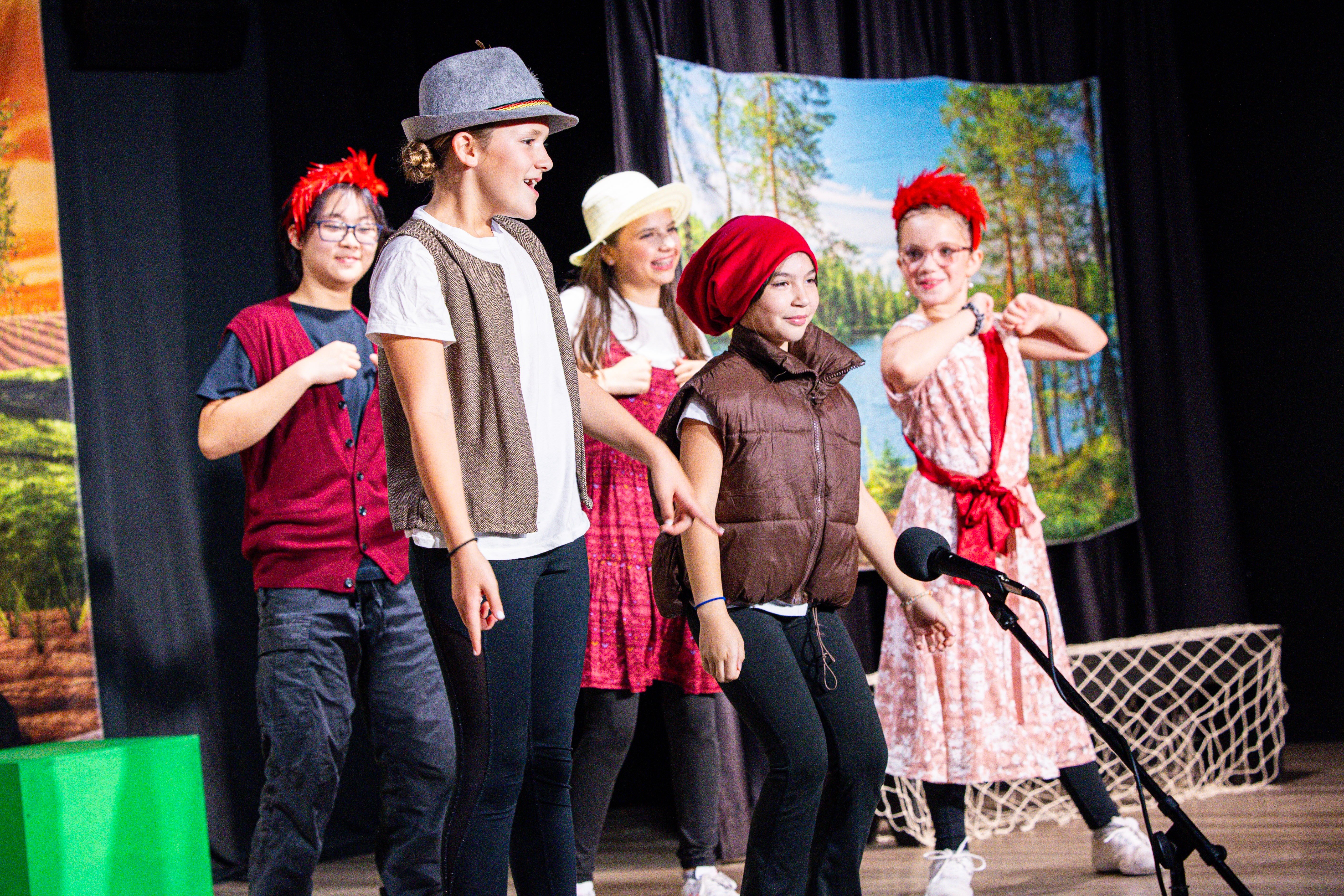
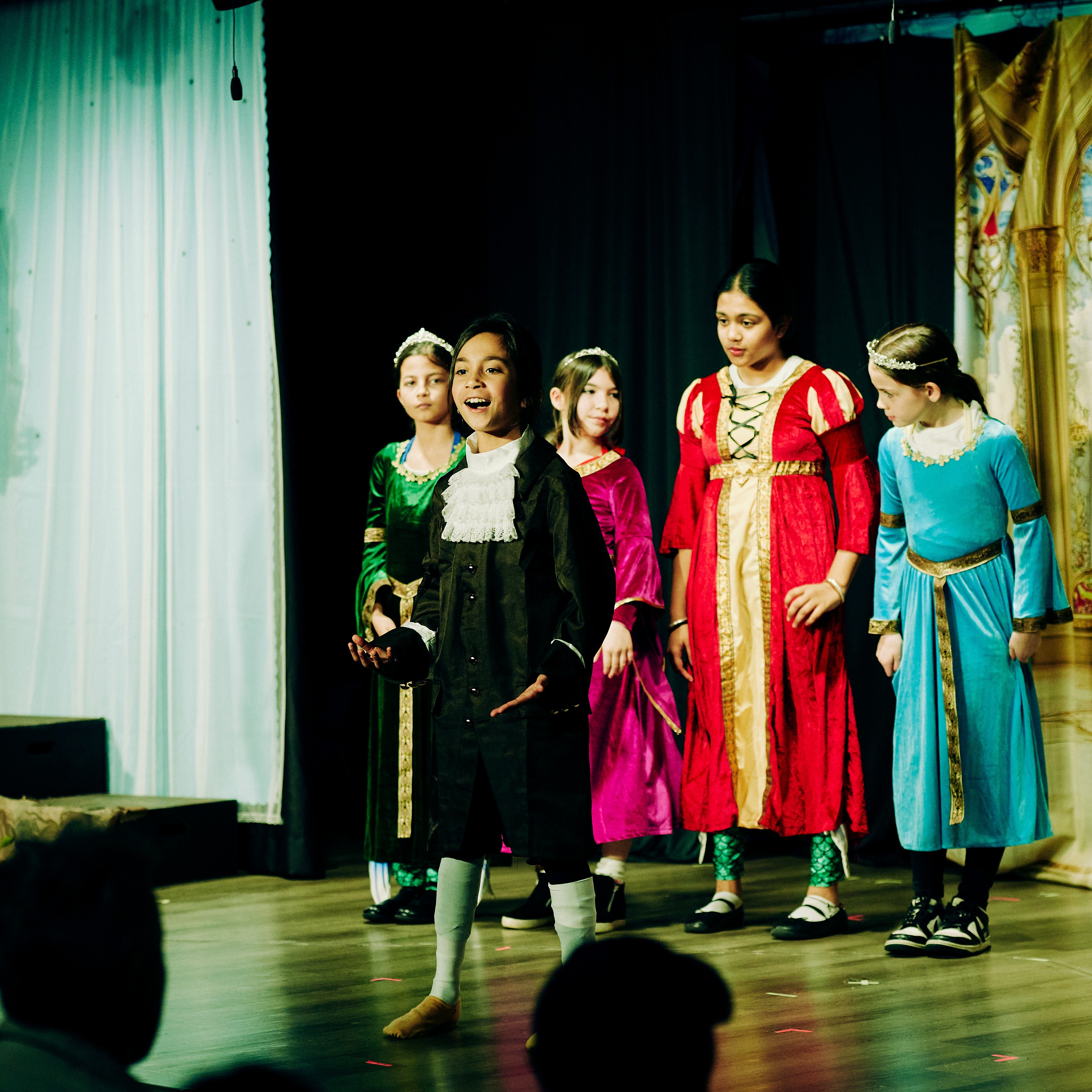
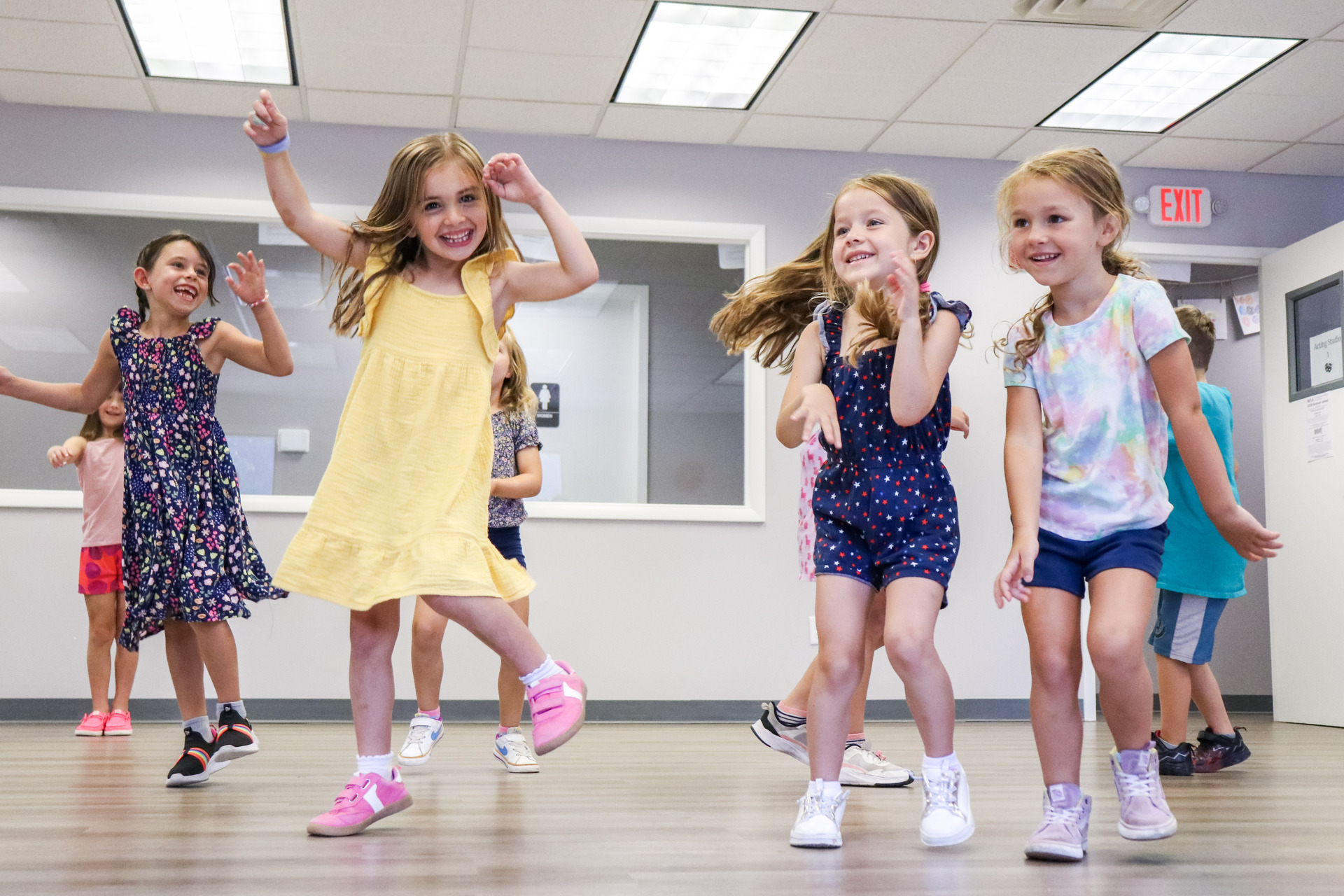
At Hunterdon Academy of the Arts in Flemington, our programs blend music lessons, acting, and musical theatre. In musical theatre classes, students rehearse with classmates, learn choreography, practice scenes, and bring it all together in a final show. In private and small-group music lessons, they work one-on-one with a teacher on things like rhythm, pitch, reading music, and healthy technique. All of it is fun and creative, but it is also serious practice for life.
Beyond common ideas like “teamwork” and “confidence,” music, acting, and musical theatre build emotional regulation, resilience, focus, and the ability to accept and use feedback. These skills help kids at home, at school, and eventually at work. Spring and early summer are popular times to start music and musical theatre classes in Flemington, NJ, as families look for meaningful activities outside the regular school routine.
In this article, we will talk about how music and musical theatre support emotional skills, how they compare to other activities, and how parents can notice and encourage these strengths in their kids.
Emotional Regulation in the Spotlight
Performing puts kids in the spotlight, literally and emotionally. Rehearsals, lessons, and shows bring “good stress,” like:
-
Remembering lines and lyrics
-
Hitting entrances and exits on time
-
Singing or speaking alone in front of a group
-
Adjusting to costumes, props, and lights
-
Playing a new piece in front of a teacher or at a recital
-
Keeping a steady beat or staying with the accompanist
In class and lessons, we help kids feel that stress, but in a safe place. They learn simple tools like taking a deep breath, standing or sitting tall, and focusing on the next cue or measure instead of the whole show or entire piece. Little by little, they see that nerves do not have to stop them.
Acting and musical theatre also let kids practice big feelings in a healthy way. They might:
-
Play a character who is angry, sad, or scared
-
Show joy, surprise, or frustration in a scene
-
Shift quickly from one emotion to another
Instead of being told “calm down,” they learn to name what they feel, express it clearly in a role, then step back out of the role. That practice can help them later when real-life feelings feel too big.
Music lessons support emotional regulation in a quieter way. A child learning an instrument has to:
-
Slow down when a song feels too hard
-
Break a piece into smaller parts
-
Stay with a difficult passage instead of giving up
Over time, that steady, calm practice becomes a habit they can use in homework, tests, and everyday challenges.
Class and lesson routines support self-control too. A typical musical theatre session might move from:
-
Physical warm-ups and stretches
-
Vocal exercises and breathing
-
Blocking scenes and learning choreography
-
Running sections of the show
A typical music lesson might include:
-
Brief warm-up and review of last week’s goals
-
Focused work on technique or a tricky passage
-
Playing through full pieces or songs
-
Setting a simple practice plan for home
These clear structures teach kids to shift from “silly energy” in the lobby to focused “show brain” or “music brain” once rehearsal or lesson time starts. That same skill helps in school, sports, and social situations, when they need to switch from play to focus quickly.
Building Resilience Through Rehearsals, Practice, and Do-Overs
In musical theatre and acting, mistakes are normal and expected. Someone misses a cue, forgets a line, or sings off-key. Instead of stopping everything, kids learn to keep going. They see that a mistake is not the end of the world; it is just information about what to practice next time.
In music lessons, the same thing happens on a smaller scale. A child might:
-
Miss a note in a scale
-
Lose their place in the music
-
Struggle with a rhythm at first
With a supportive teacher, they go back, slow down, and try again. That repeated experience of “messy, then better” builds real resilience.
Over a full production or a season of lessons, students experience:
-
A first read-through or first try at a new piece that feels rough
-
Weeks of rehearsals or practice where things slowly come together
-
Dress rehearsals or run-throughs that feel messy, then suddenly click
-
A final performance or recital where the hard work pays off
This long process teaches patience and perseverance. Compared to quick, on-demand entertainment, theatre and music ask kids to show up week after week, do the work, and trust that the payoff will come.
Resilience also grows through disappointment and comparison. Not every child gets the part they dream of, a solo they wanted, or the piece they hoped to play at a recital. In a thoughtful class or lesson, that becomes a learning moment. Kids practice:
-
Handling “no” without giving up
-
Seeing the value of every role and every part in the ensemble
-
Finding pride in the group’s success, not only their own
-
Setting personal goals, like playing more clearly or singing with better breath support
Over time, many students start to care less about being the star and more about doing their best, staying committed, and enjoying the experience.
Turning Feedback Into a Superpower
In musical theatre, acting, and music lessons, feedback is constant. Directors and teachers might say things like:
-
“Try that line a little softer.”
-
“Project more on that last note.”
-
“Wait two counts before you move.”
-
“Let’s curve your fingers more on the keys.”
-
“Listen for the steady beat before you come in.”
Because notes are given all the time, kids start to see critique as normal. It is not “You are bad,” it is “Here is how to make this better.” That shift can change how they hear feedback from teachers, coaches, and even parents.
As they apply notes and see real change, they start to believe in a growth mindset. They notice that:
-
Their voice gets stronger when they practice
-
Their diction improves when they focus on consonants
-
Their acting becomes clearer when they listen and respond in the moment
-
Their fingers move more easily when they repeat scales
-
Their rhythm improves when they count carefully or use a metronome
Success is no longer just talent, it is effort plus good guidance.
These activities also teach kids to speak up. They learn to:
-
Ask for clarification when they are unsure
-
Request another try if something did not feel right
-
Share ideas in rehearsal in a respectful way
-
Tell a music teacher which sections feel hard so they can work on them together
Those habits build communication skills that matter far beyond the stage or lesson room.
Beyond the Stage and Studio: Life Skills That Last a Lifetime
The emotional skills kids gain in rehearsal and lessons show up in many parts of life. A child who learns to breathe through pre-show jitters can use the same tools during a spelling test or a big presentation. A student who can express a character’s frustration can better talk about their own feelings during a conflict at home. A young musician who patiently works through a tough passage learns how to stick with difficult homework.
Collaboration also carries over. In musical theatre and acting classes, students must:
-
Listen closely to scene partners
-
Respect cues from the pianist or teacher
-
Stay aware of others’ space on stage
In music ensembles, they learn to:
-
Blend their sound with others
-
Match tempo and dynamics
-
Take turns leading and following
These habits make them better partners in group projects, clubs, and teams. Some kids also find their own style of leadership, maybe by helping a newer student learn a move, counting off the start of a song, or keeping the group focused during a tricky scene.
Confidence from performing often feels different from quick praise. It is built through real effort and risk. After singing in front of an audience or playing in a recital, raising a hand in class, trying a new activity, or starting at a new school can feel a little less scary.
Choosing Music and Musical Theatre Classes in Flemington, NJ
Not all programs are the same, and the environment matters a lot, especially for emotional growth. When families look for music lessons, acting, or musical theatre classes in Flemington, NJ, it helps to notice:
-
Class size, so every child can be seen and heard
-
A positive teaching style that is firm but kind
-
Clear routines and expectations that feel safe
-
An emphasis on growth and effort, not perfection
-
Age-appropriate goals and materials that keep kids engaged
At Hunterdon Academy of the Arts, our approach to music lessons, acting, and musical theatre is centered on age-appropriate goals, constructive feedback, and respect for each student’s pace. We care about the quality of the performance, but we care just as much about what kids learn about themselves along the way.
As spring turns toward summer, many families look for meaningful, screen-free activities. Music lessons, musical theatre classes, camps, and fall sessions can give kids a steady place to explore emotions, build resilience, and practice handling feedback while school is out or starting up again.
When we step back, music and musical theatre are about much more than singing, dancing, or playing notes. They are powerful ways for kids to practice self-control, bounce back from setbacks, accept guidance, and stand in front of others with honest confidence. Those are skills they can carry with them for the rest of their lives.
Help Your Child Step Into the Spotlight With Confidence
If your child is ready to build performance skills, creativity, and stage confidence, we are here to guide them every step of the way at Hunterdon Academy of the Arts. Our musical theatre classes in Flemington, NJ give students a supportive place to sing, act, and move while learning from experienced instructors. Enroll today so your child can discover their voice, make new friends, and shine in a collaborative theatre community.

COMMENTS