How Theatre Quietly Builds Independent Kids
Theatre classes do much more than teach kids how to stand onstage and say lines. They give children real tools they can use every day, like how to speak up, how to treat others with respect, and how to handle little problems without melting down.
In rehearsal rooms, kids practice asking for help, keeping track of costumes and scripts, listening for cues, and working through small conflicts. All of this looks like “just putting on a show,” but it turns into real-life independence. At Hunterdon Academy of the Arts in Flemington, NJ, many families who look for theatre classes in Flemington, NJ are hoping for exactly that: character and life skills, not only performance skills. Let us walk through three of the biggest everyday skills theatre builds, and simple ways you can back them up at home.
Self-Advocacy Kids Learn in Rehearsal Rooms
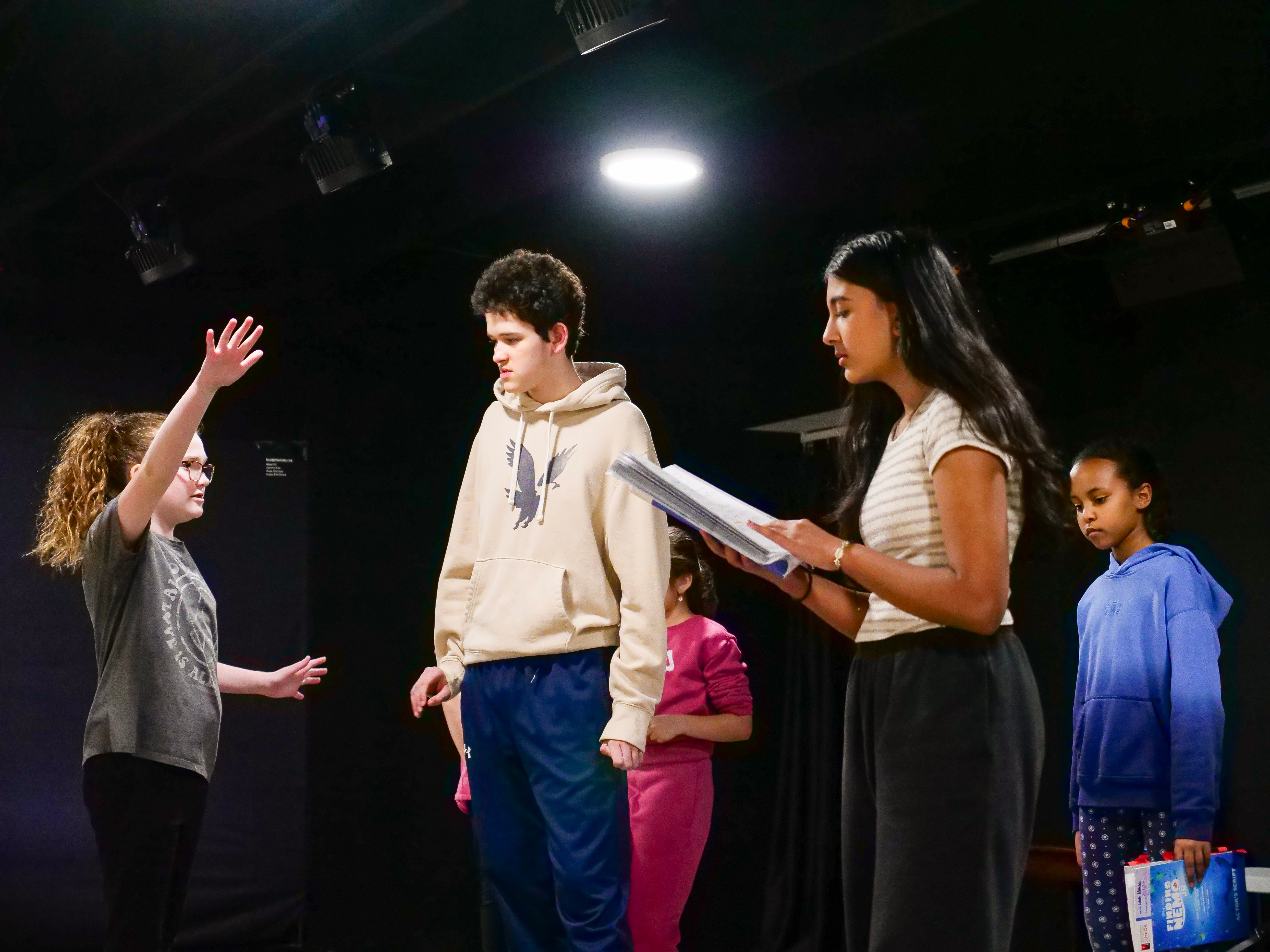
Theatre gives kids safe chances to practice using their voices. In class or rehearsal, they are encouraged to:
-
Ask questions about blocking so they know where to stand
-
Speak up if they cannot hear music or see the teacher
-
Say when they are confused about a line or dance step
-
Let an adult know if something feels unsafe or uncomfortable
At first, many children are nervous to raise a hand or say, “I do not understand.” With gentle coaching, they learn that questions are welcome. They start keeping eye contact a bit longer, projecting their voices a bit more, and offering ideas for scenes. That confidence does not stay in the theatre building. It shows up when they:
-
Ask a teacher to repeat directions at school
-
Tell a friend, “I do not like it when you do that”
-
Speak up at doctor visits about how they feel
You can support that self-advocacy at home in simple ways:
-
Model “I” statements: “I feel stressed when the morning is rushed. I need help packing bags at night.”
-
Role-play speaking to a teacher, coach, or bus driver about a small problem.
-
Let your child order their own food at restaurants, with you right there as support.
-
Set one small “speak up” goal each week, like asking a question in class or sending a polite email to a teacher.
When home and theatre both send the message “Your voice matters,” kids start to believe it.
Everyday Etiquette Kids Practice Onstage and Off
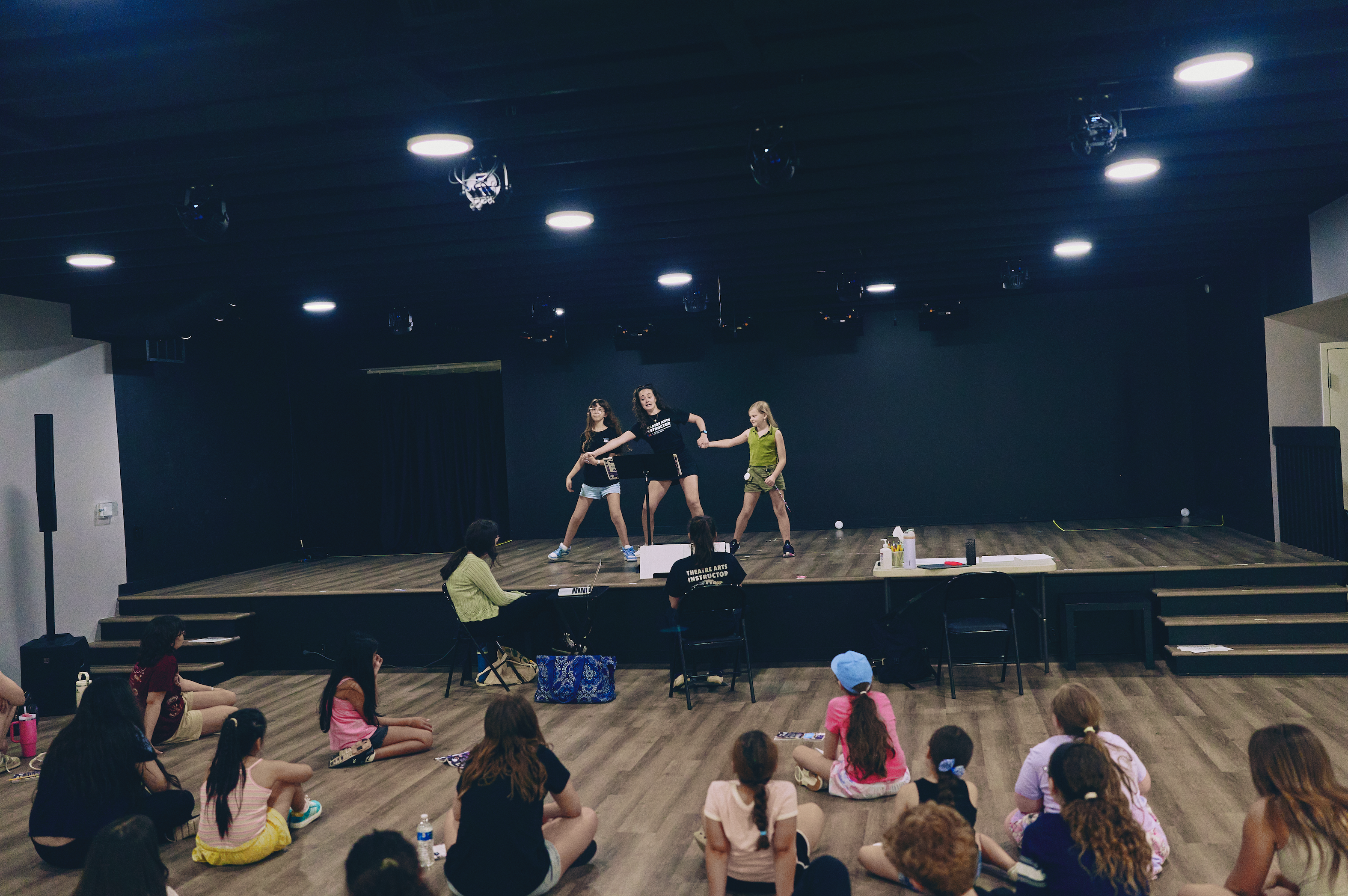
Theatre is like a built-in manners lab. Even young students hear words like “professional” and learn that it means:
-
Arriving on time and ready to work
-
Listening quietly during notes instead of talking over others
-
Waiting their turn to speak or sing
-
Respecting costumes, props, and other people’s personal space
In ensemble work, kids pick up daily social skills without a big lecture. They learn to say “please” when asking for help with a zipper, “thank you” when someone spots a missed cue, and “good job” when a castmate finishes a tricky solo. They clap for each other. They learn to take feedback without pouting and to be kind audience members who do not talk through someone else’s scene.
At Hunterdon Academy of the Arts, we talk a lot about community and supporting one another. That shows up in simple, polite habits that carry into school, family life, and friendships.
Here are some easy ways to echo that at home:
-
Practice “audience etiquette” during a family movie or a sibling’s piano practice: quiet voices, no interrupting, clap at the end.
-
Set clear expectations about punctuality, like packing backpacks, music books, or dance shoes the night before.
-
Praise specific moments of good manners, such as “I noticed you helped clear the table without being asked; that was thoughtful.”
-
Use phrases like “That was very professional of you” when your child is prepared or on time.
These small habits grow into the kind of everyday respect that helps kids in classrooms, friend groups, and later, in jobs.
Problem-Solving in the Organized Chaos Backstage
Backstage can feel a bit like organized chaos, and kids learn to think on their feet. Things happen, even in the best-run show:
-
A prop is missing
-
A costume piece breaks right before an entrance
-
Someone forgets a line
-
A sound or light cue comes late
In those moments, students practice staying calm and solving the problem instead of freezing. They may grab a simple prop substitute, skip a missing line and keep moving, or adjust their spacing when the stage feels crowded. They learn that the show goes on, and they are part of making that happen.
The problem-solving is very often teamwork:
-
Helping a castmate with a zipper or a quick shoe change
-
Sharing extra bobby pins or safety pins without being asked
-
ently covering for a friend who blanks on a line
-
Shifting blocking to make room for someone who entered late
As kids head into summer camps and performances, you can boost these skills with “what if” chats. Ask things like, “What if you misplace your script?” or “What if you feel nervous before going onstage?” Then let your child brainstorm two or three solutions.
At home, use small daily bumps as practice. If a favorite snack is gone, or plans change because of rain, try asking, “What are three ways we could solve this?” Instead of fixing it right away, give your child room to think. That builds the same calm flexibility they use backstage.
How Music Lessons and Acting Build Daily Life Skills
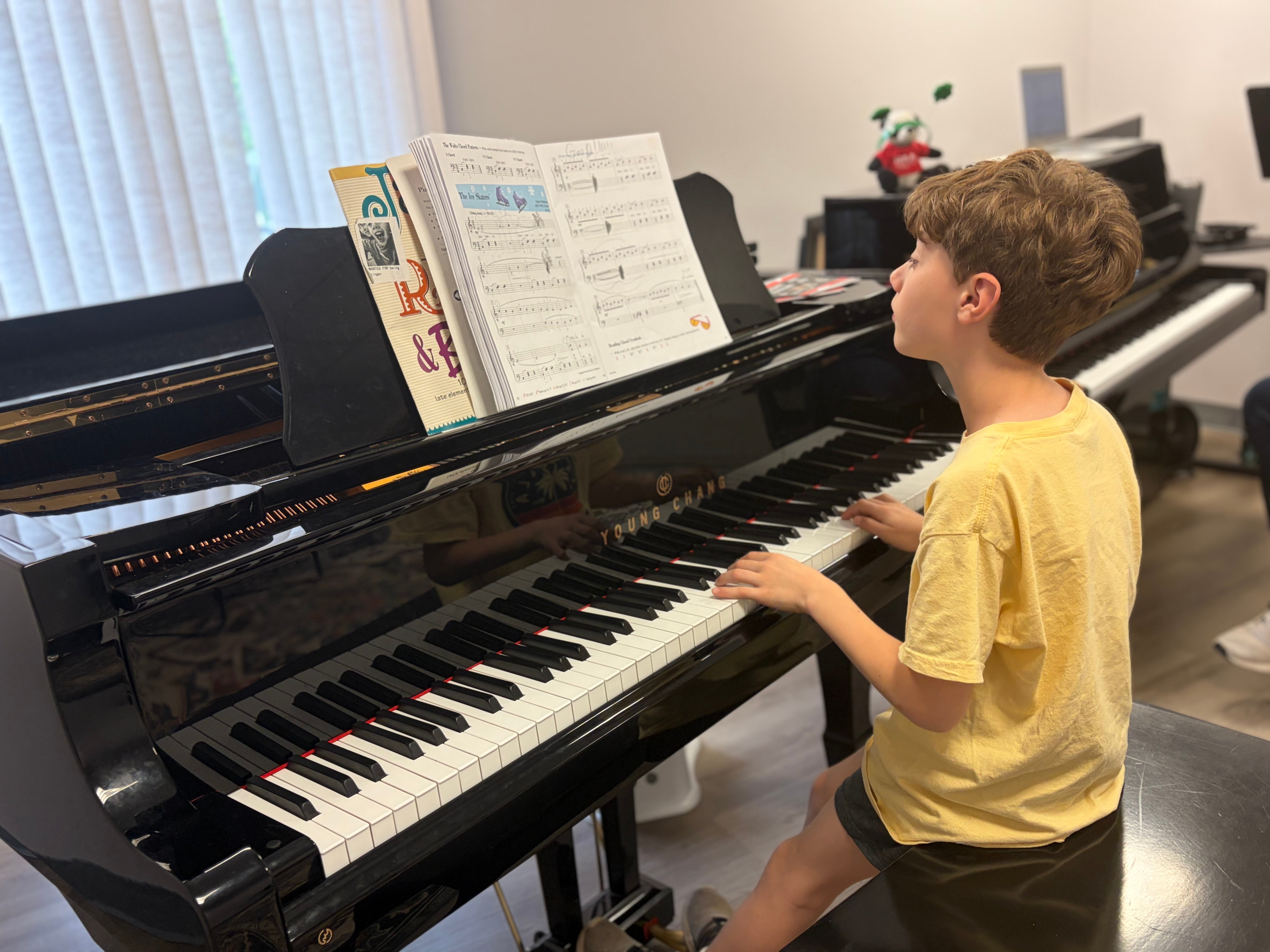
Theatre is not the only arts activity that grows independence. Music lessons are a quiet powerhouse for focus and time management. When children commit to an instrument, they:
-
Set aside regular practice time
-
Break bigger goals into small steps, like one tricky measure at a timeLearn to read music and follow symbols on the page
-
Prepare for recitals and classes with their music ready
-
All of this teaches planning, follow-through, and patience. It can help with homework habits, long-tem projects, and even ores.
Acting and musical theatre add another layer: emotional intelligence. When kids study characters, they ask what that character feels, what they want, and why they act the way they do. They listen to scene partners, read facial expressions, and notice tone of voice. That kind of practice builds empathy and better communication with:
-
Family members
-
Teachers and coaches
-
Friends and classmates
Families who choose theatre classes in Flemington, NJ at Hunterdon Academy of the Arts are also supporting skills that help in school, like memory, listening, and pattern recognition, and skills that matter later in work life, like teamwork, creative thinking, and resilience after mistakes.
Bringing Backstage Lessons Home This Summer
One of the best things you can do as a parent is to treat your child’s arts education like a life skills lab. When you pick your child up from music, acting, musical theatre, or dance, you might ask:
-
“Did you speak up for yourself today?”
-
“Did you help solve any problems in class?”
-
Was there a time you showed good manners or supported someone else?”
At home, you can build a simple weekly rhythm around these skills:
-
One dinnertime question about a self-advocacy moment from class
-
One planned “audience etiquette” or manners practice, like watching a sibling’s practice or a family show respectfully
-
One small family challenge where kids help choose the solution, such as planning meals for a busy night or organizing gear before a trip
When home and the arts work together, kids start to see themselves as capable, kind, and resourceful. At Hunterdon Academy of the Arts, we care deeply about that growth. In our music, acting, musical theatre, and dance programs, children and adults build confidence not only onstage, but also in the small, everyday moments that add up to real independence.
Ignite Your Child’s Confidence With Live Theatre Training
If your child is ready to gain confidence, creativity, and stronger communication skills, we are here to help them shine on stage. At Hunterdon Academy of the Arts, our experienced instructors guide students through engaging productions that build real performance and teamwork abilities. Explore our theatre classes in Flemington, NJ and find the right fit for your young performer today.

COMMENTS