Valentina Jotovic 18 min read

Life Skills Kids Gain From Music Lessons: Practice, Patience, Listening

How Music Lessons, Acting, and Musical Theatre Build Life Skills

Music and theatre classes do much more than teach kids how to play songs or perform on stage. Week after week, they build small, steady habits that kids carry into school, friendships, and daily life. The changes are quiet, but they add up: stronger focus, better follow-through, and more confidence in handling challenges.

At Hunterdon Academy of the Arts, we see a difference between music lessons and classes like acting, musical theatre, or dance, but also how powerfully they work together. Theatre and acting are more group-based and social, great for building confidence, teamwork, communication, and empathy. Music lessons, on the other hand, often involve more solitary practice, careful precision, and regular routines. That mix makes all of these classes a powerful training ground for everyday life skills.

In this article, we will look at four specific skills kids gain from music lessons: practice routines, self-assessment, delayed gratification, and listening skills, and how acting and musical theatre also build important life skills such as confidence, collaboration, and creative expression. We will also share simple ways parents can support each one at home. If your family is exploring music lessons or theatre classes in Flemington, NJ, it can help to choose a school that thinks about these skills on purpose, not just about playing notes or reciting lines correctly.

Practice Routines That Build Real-World Discipline

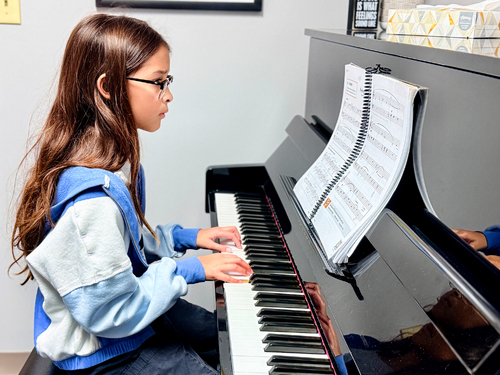
Music practice works best when it is small, steady, and part of daily life. That makes it a lot like brushing teeth or doing homework. Kids learn that even five to fifteen focused minutes, repeated most days, can move them forward. This idea that discipline is built in tiny steps is one of the most useful lessons they take away.

In lessons, teachers often help kids break a piece into smaller sections instead of trying to tackle the whole song at once. They might say, “Today, just work on the first line,” or “Play this measure three times slowly.” Kids learn how to:

  • Break big tasks into smaller chunks
  • Set realistic daily goals
  • Notice and track progress over time

These same skills help with studying, sports drills, and even chores at home.

Acting and musical theatre classes also support discipline, just in a different format. Instead of daily at-home practice on an instrument, students:

  • Memorize lines, lyrics, and choreography over time
  • Attend regular rehearsals and come prepared
  • Work through scenes repeatedly to refine timing and delivery

Kids see that showing up consistently and doing the “behind-the-scenes” work is what makes performances feel fun and effortless.

Parents can support practice and rehearsal routines at home by keeping things simple and consistent, especially when schedules shift in summer:

  • Pick a regular practice or review time that fits your day, like right after breakfast or right after camp
  • Use a visual tracker such as stickers, a chart on the fridge, or a wall calendar to mark practice or rehearsal-prep days
  • Create a “music and theatre spot” that is as distraction-free as possible, with the instrument ready, music books easy to reach, and scripts or song sheets nearby

When practice and review are just “something we do,” not a big battle, kids start to see themselves as responsible and capable.

Self-Assessment and Growth Mindset Through Music and Theatre

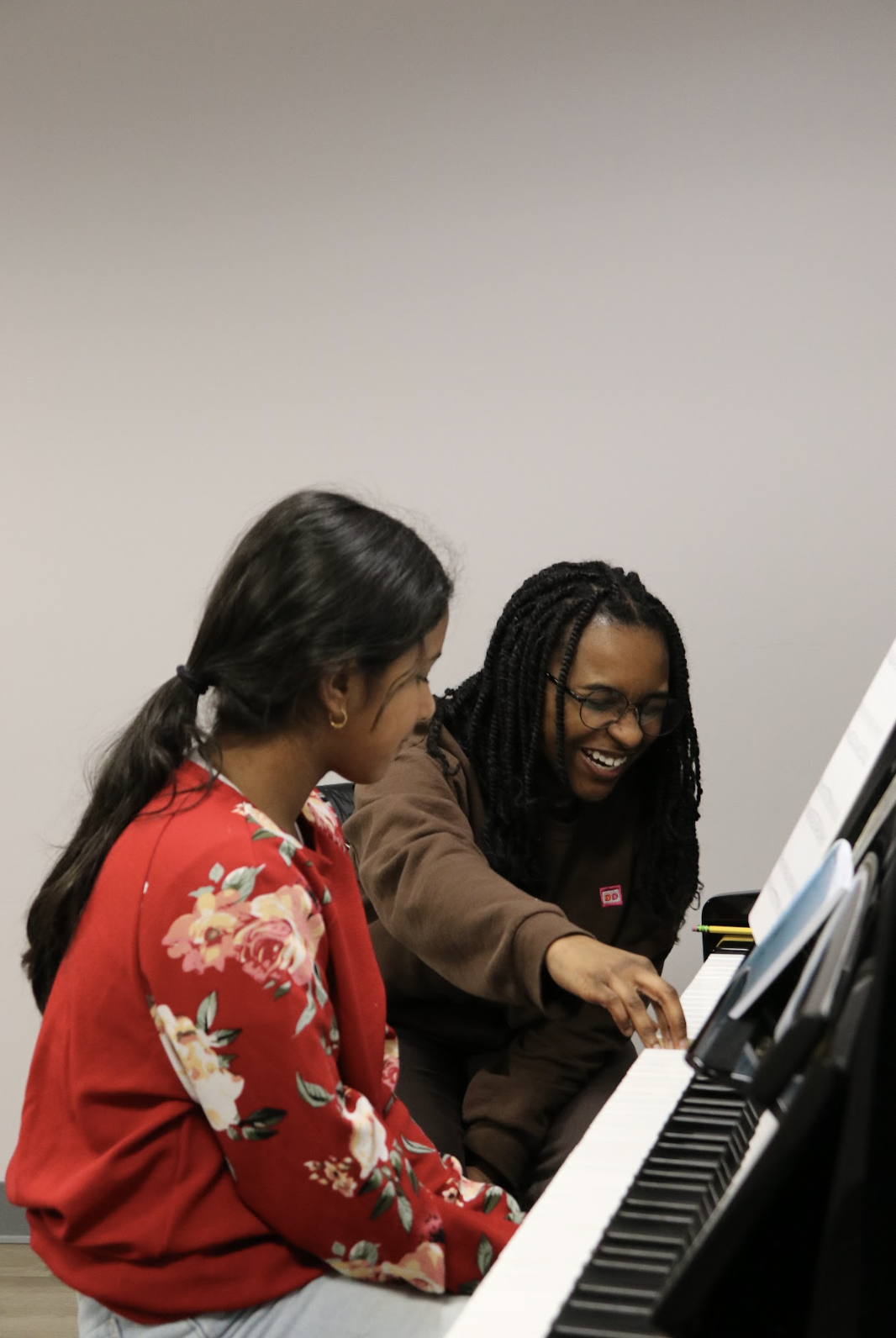
A big part of music lessons is learning to listen to yourself. Kids start to notice, “That note sounded a little off,” or “I rushed that part,” or “I forgot to play softly there.” This kind of self-checking can sound negative at first, but with gentle guidance, it turns into a healthy growth mindset.

Good teachers do not correct every single thing right away. Instead, they ask questions like:

  • What went well that time?
  • What felt tricky?
  • If we fix one thing first, what should it be?

Kids learn that they can judge their own work and make a plan to improve, instead of waiting for an adult to point out every mistake. This builds independence and problem-solving skills that reach far beyond music.

Acting and musical theatre deepen this self-awareness in a social setting. Students learn to:

  • Notice how their voice, face, and body tell a story
  • Reflect on what made a scene feel believable or not
  • Adjust their performance based on feedback from teachers, directors, and fellow cast members

They begin to understand that they can “try on” different choices, louder or softer, sillier or more serious, and see how those choices affect the audience. This helps kids build a flexible, resilient mindset: if one approach doesn’t work, they can try another.

At home, parents can help self-assessment feel normal and kind:

  • After your child plays or rehearses a scene, ask, “What part were you proud of?” and then, “What part do you want to feel smoother next week?”
  • Once in a while, record a short video on your phone, then record again a few weeks later so they can hear and see how far they have come
  • Share your own small reflections, like, “I tried something new at work; next time I will prepare a bit more,” so kids see that adults learn this way too

When children see feedback as information, not as criticism, they become braver about trying new things, in lessons, on stage, and in everyday life.

Delayed Gratification: Sticking with Challenges Over Time

Learning an instrument is full of slow wins. A piece that looks exciting on the page might take weeks, even months, to play with confidence. There is no quick shortcut, and that is actually the gift. Kids learn to live with some frustration while they work toward a longer goal.

In music lessons, delayed gratification shows up in all kinds of ways:

  • Practicing a tough section many days before it finally clicks
  • Working on technique exercises that are not very “fun,” but make future pieces easier
  • Preparing for a recital or informal performance that is still weeks away

These experiences mirror real-life situations, like saving money instead of spending it right away, or studying a little every day for a big test.

Acting and musical theatre offer their own version of delayed gratification. Students:

  • Rehearse the same scene or dance number many times before it feels natural

  • Learn to wait for opening night, trusting that all the small steps will pay off

  • Experience how ensemble work improves slowly as everyone remembers lines, cues, and blocking

They see that big, exciting moments, like a performance with costumes, lights, and applause, come from many weeks of steady effort.

Parents can make delayed gratification more concrete and encouraging:

  • Help your child pick a “long game” goal, like learning one favorite song to play for family at the end of the summer or preparing a short scene to perform for friends, then break it into weekly steps
  • Praise effort and consistency, for example, “You practiced four days this week,” or “You reviewed your lines every evening,” not just, “That sounded perfect”
  • When your child wants to quit a tricky passage or scene, remind them of the bigger goal and suggest a short break, a stretch, or playing an easier song or lighter scene before coming back to it

Over time, kids start to trust that hard things get easier when you keep showing up.

Listening and Communication Skills for Learning and Relationships

Music lessons turn kids into strong listeners in more than one way. They listen to the teacher’s words, to the beat of the metronome, to recordings of songs, and most of all, to their own sound. This attention carries into school and friendships.

Through music, kids practice:

  • Following multi-step directions, like “Play this line slowly, then circle the tricky part”
  • Noticing changes in sound, such as louder or softer, faster or slower
  • Taking turns, just like in an ensemble, and giving others their “solo time”

These skills support classroom learning and help kids read social cues, like tone of voice and when it is their turn to talk.

Acting and musical theatre build listening and communication in highly social ways. Students learn to:

  • Listen closely to scene partners so they can respond on time and in character
  • Watch facial expressions and body language to keep scenes connected
  • Speak clearly and project their voice so an audience can understand them
  • Respect others’ “spotlight moments” and work as a team to tell the story

These experiences help kids grow more confident speaking up in class, making presentations, and having everyday conversations.

At home, you can turn listening into a fun game:

  • Clap a short rhythm and have your child clap it back, or ask them to tell you when a song gets louder, softer, faster, or slower
  • Try “musician-style and actor-style listening” at dinner, where one person talks while everyone else listens without interrupting, then repeats back what they heard
  • When possible, attend live music or student performances in Flemington, NJ, and talk about what it means to be a respectful, focused audience member, for both concerts and shows

Kids start to understand that listening is an active skill, not something that “just happens.”

Confidence, Teamwork, and Empathy on Stage

While music lessons are powerful for building focus and personal discipline, acting and musical theatre shine in areas like confidence, teamwork, and empathy.

Through theatre and musical theatre classes, kids:

  • Practice speaking and singing in front of others, which builds stage confidence that carries into classroom presentations and social situations
  • Learn to rely on one another, if someone misses a cue or line, the group gently helps, and everyone keeps going
  • Step into different characters’ shoes, which encourages empathy and understanding of different viewpoints
  • Discover that mistakes on stage are normal and can even be turned into creative moments

These life skills help children feel more comfortable meeting new people, working in groups, and handling nerves in everyday life.

Turning Today’s Lessons Into Lifelong Confidence

Music lessons quietly train kids to build routines, assess their own work kindly, wait for long-term rewards, and listen with care. Acting and musical theatre classes build complementary strengths, such as stage confidence, teamwork, communication, and empathy through character work. Together, they support success in school, help with friendships, and later, matter at work and in family life. The instruments, scripts, and songs are the tools, but the life lessons are what stay.

At Hunterdon Academy of the Arts in Flemington, we love seeing how these small, everyday habits give students a sense of pride. One simple way to start is to help your child choose a small goal for the next month, maybe learning a short piece, preparing a brief scene, planning a performance for grandparents, or smoothing out a tricky section. When families and teachers work together on goals like this, kids not only become stronger musicians and performers, they also see themselves as capable people who can stick with something and succeed.

Take The Next Step In Your Musical Journey Today

If you are ready to help your child or yourself grow with supportive, high-quality instruction, our team at Hunterdon Academy of the Arts is here to guide you. Explore our flexible, personalized music lessons in Flemington, NJ and find the perfect fit for your goals and schedule. We will answer your questions, recommend the right program, and make getting started simple so you can focus on enjoying music.

COMMENTS