How Rehearsal Routines Turn Stage Time Into Life Skills
Musical theatre class might look like pure fun from the outside, but something powerful is happening under the surface. Kids rush in full of energy, chat with friends, then slowly shift into warmups, blocking, and run-throughs. That simple routine is actually training their brains to focus, plan, and manage impulses in a very real way.
These skills are called executive function. We like to explain it as the brain’s air traffic control. It helps kids pay attention, remember what they are doing, control emotions, and think ahead. Strong executive function supports schoolwork, friendships, and everyday tasks like getting ready in the morning or finishing homework.
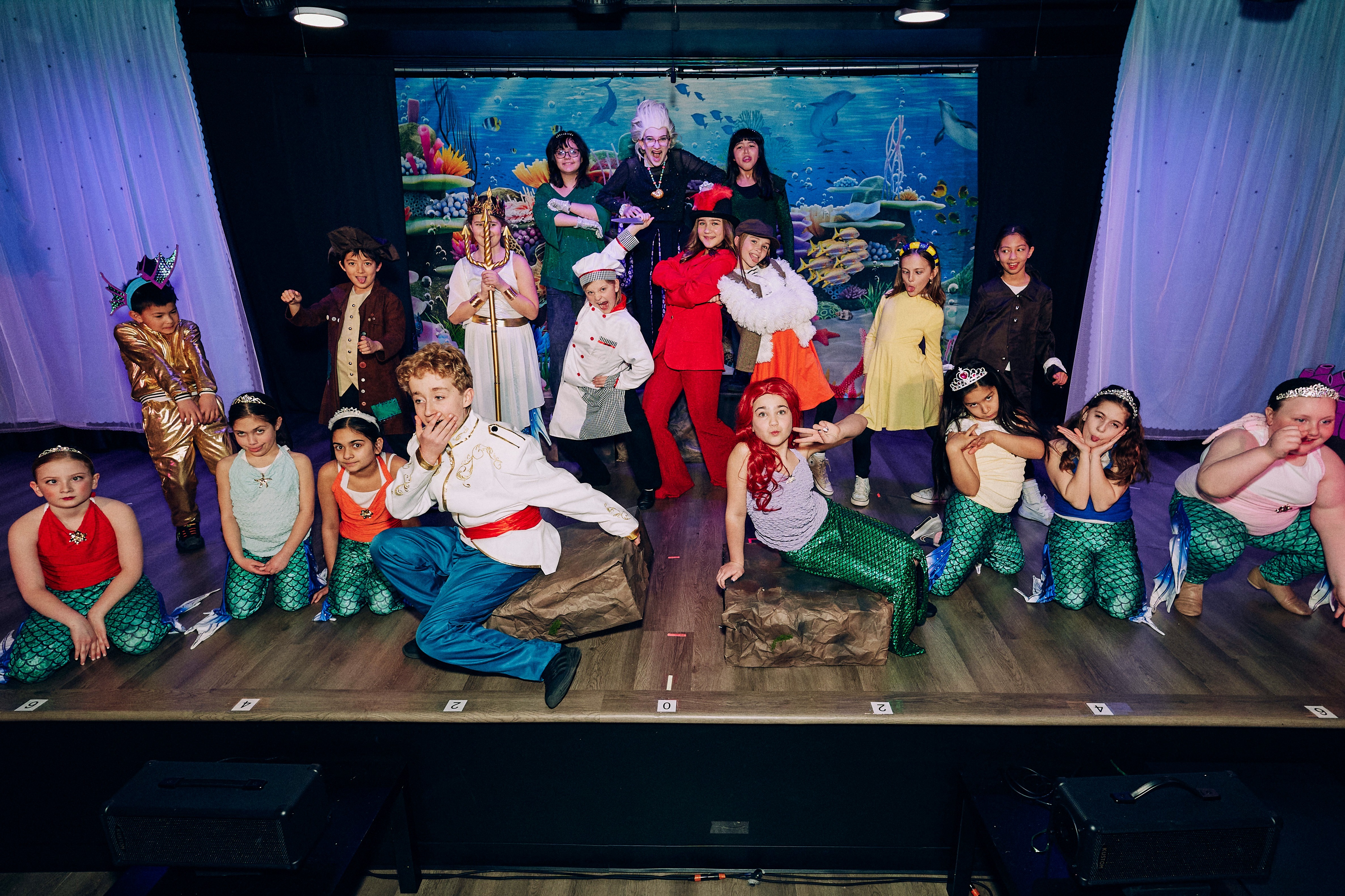
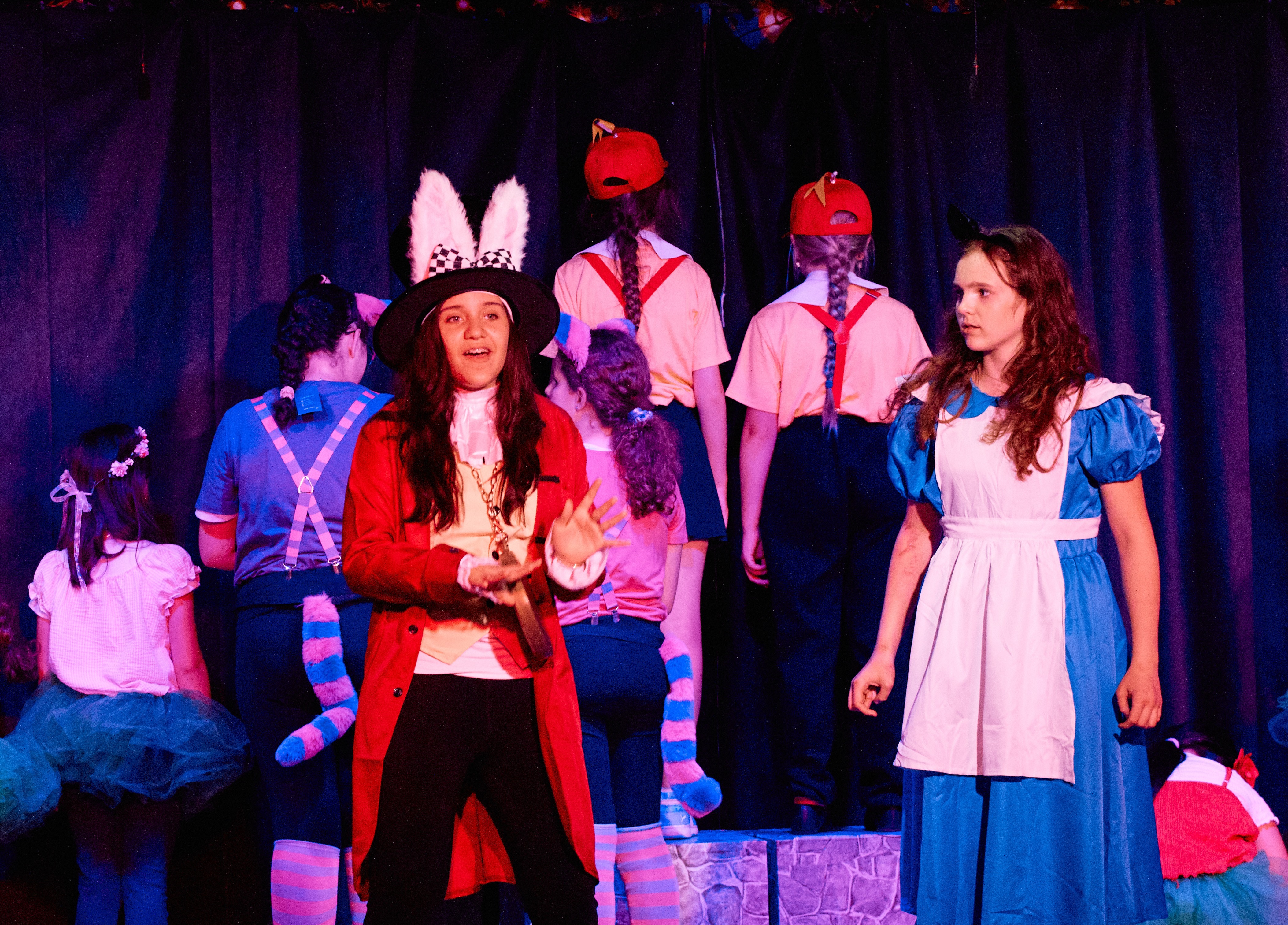
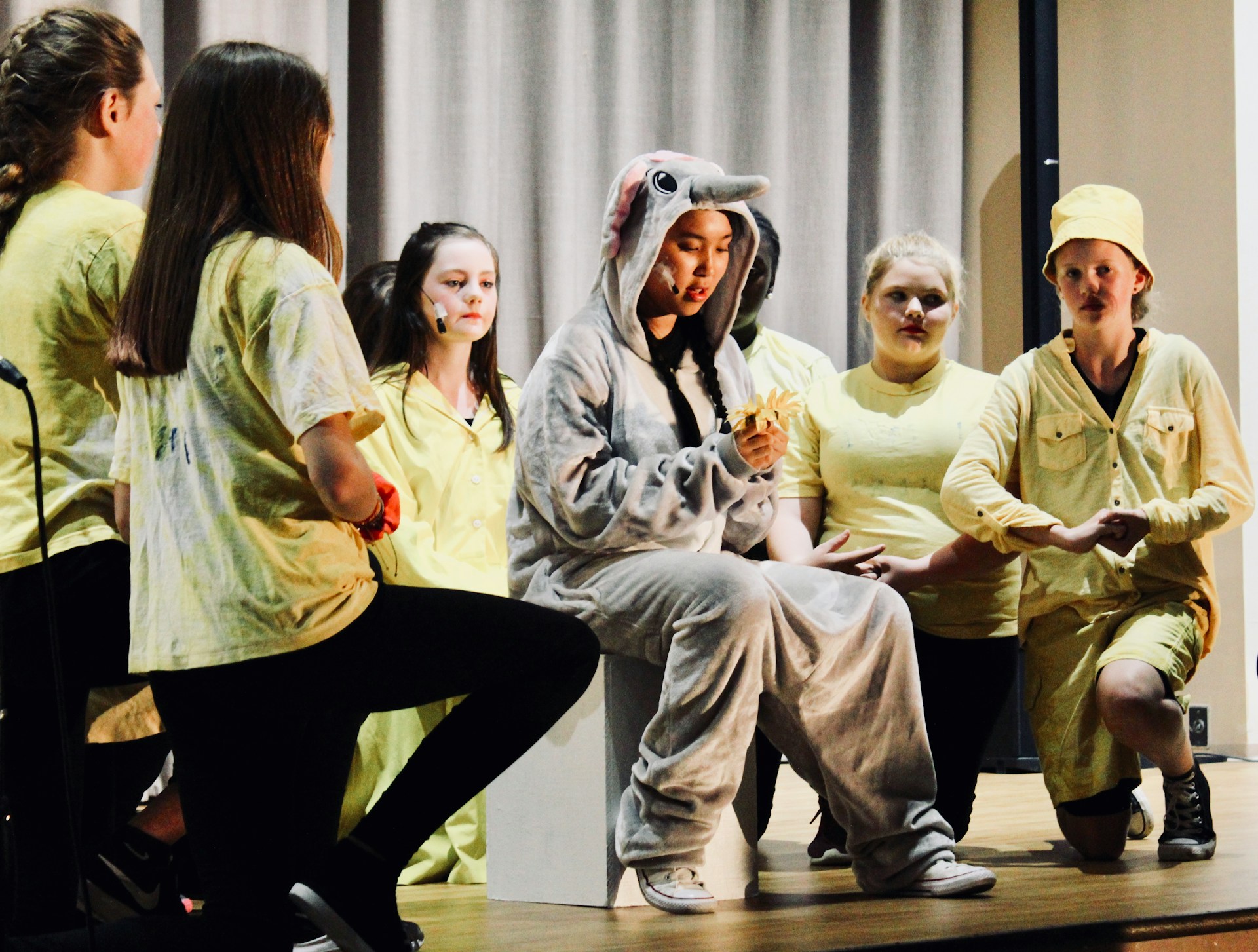
At Hunterdon Academy of the Arts in Flemington, our musical theatre classes work like a fun gym for the brain. Through scripts, songs, choreography, and teamwork, kids practice these skills again and again. Let’s look at how the rehearsal process works, how it builds focus and planning, how it supports emotional control, and how families can help kids carry these gains into daily life.
Why Musical Theatre Is a Powerful Brain Builder for Kids
Musical theatre is a special mix of music, acting, movement, and teamwork. Because it uses many parts of the brain at the same time, it naturally trains attention and memory. Kids are:
-
Listening to music and lyrics
-
Watching the director for cues
-
Moving their bodies in time with choreography
-
Speaking or singing lines with clear emotion
To get through a scene, they must remember what comes next, where to stand, and how to move from one moment to the next. That is planning and organization in action. A big musical number is really a long list of steps the brain has to hold and manage.
Private music lessons connect right into this. When students learn an instrument, they practice:
-
Keeping a steady routine
-
Listening closely and adjusting
-
Breaking big goals into smaller pieces
Those same habits transfer straight into group rehearsals. The discipline of repeating a tricky measure on piano is the same discipline used to polish a dance break or tighten a group entrance on stage.
All of this happens best in a caring, community focused setting. When kids feel safe to try, miss a step, laugh, and try again, they are more willing to stretch themselves. That sense of safety is a big part of how executive function grows, because kids can push through challenges without shutting down.
Building Focus and Follow-Through Through Rehearsal
A typical musical theatre class at our school follows a familiar flow. While details vary by age, you will usually see:
-
Warmups for body and voice
-
Quick review of what was learned last time
-
Introduction of new lines, music, or choreography
-
Run-through of a scene or song
-
Brief reflection and notes at the end
That predictable rhythm helps kids know what to expect, so their brains can focus on the work instead of worrying about surprises. They learn to shift attention from one stage of class to the next without losing track.
During rehearsal, kids practice sustained attention. They have to listen for cues, track the director, and stay involved even when they are not in the spotlight. For example, when they are part of the ensemble, they cannot drift off just because they are not singing solo. Staying present in those “quiet” moments is huge for focus.
Repetition is another key part of follow-through. The same scene might be run several times, each with a small adjustment. Kids begin to see that progress often means returning to the same task again instead of moving on the second it feels hard. That mindset is helpful when school projects and assignments stack up, because they already know how to come back and keep working.
Planning, Time Management, and Responsibility On and Off Stage
Every show starts as a big goal: put on a full performance. To get there, kids naturally learn to break that big event into smaller, manageable steps:
-
First, learn the songs and lyrics
-
Then, add blocking and choreography
-
Next, blend scenes together in order
-
Finally, polish transitions and details
This looks a lot like planning a school project. Kids learn that they cannot leave all the work to the last minute. They begin to sense what needs to be ready by the next rehearsal.
Rehearsal schedules teach time management and responsibility too. Students practice:
-
Remembering class and rehearsal times
-
Bringing scripts, water, and dance shoes
-
Keeping track of what they need to review at home
When someone forgets a line, misses a cue, or has not practiced, the whole cast feels it. This is not about shame; it is about gently seeing how personal choices affect the group. Musical theatre classes in Flemington, NJ give kids a real-world, team-based way to practice planning and organization, where everyone is working toward a shared performance.
Practicing Self-Control, Confidence, and Emotional Regulation
Musical theatre is full of big feelings, both on stage and off. Nerves before a performance, frustration over a tricky dance step, or worry about forgetting a line are all common. In class, kids learn simple tools to handle these emotions, like:
-
Taking deep, slow breaths backstage
-
Using positive self-talk instead of “I can’t do this”
-
Focusing on the next small step rather than every fear
Impulse control also grows in rehearsal. Students must wait for their cue, listen while others speak, and hold their character even when something funny happens. Learning to pause instead of jumping in helps with self-control in classrooms and at home too.
Direction from a teacher is another chance to grow. When a director says, “Let’s try that a different way,” kids practice flexible thinking. They adjust blocking, change how they say a line, or shift their timing. Over time, they see that changing a plan does not mean everything is ruined. That flexible mindset is a key part of strong executive function and supports resilience, empathy, and confidence far beyond the stage.
How Hunterdon Academy Nurtures Executive Function Growth
At Hunterdon Academy of the Arts, we design our musical theatre and acting classes with clear structure and support. Instructors use:
-
Simple, step-by-step instructions
-
Clear expectations for behavior and participation
-
Positive reinforcement and encouragement
-
Age-appropriate routines that repeat each week
Small class sizes and a strong sense of community mean teachers can really see each child. If someone is struggling to stay focused, manage big feelings, or remember what comes next, we can step in with gentle coaching and strategies in the moment.
When kids pair musical theatre with music lessons, the benefits multiply. Practicing instrument routines at home, then following rehearsal routines in class, gives them two different settings to build planning, self-discipline, and focus. For families looking for musical theatre classes in Flemington, NJ, Hunterdon Academy offers programs that support both artistic growth and the brain skills kids need in everyday life.
Ignite Your Child’s Confidence With Live Musical Theatre Training
At Hunterdon Academy of the Arts, we help students build stage skills, confidence, and collaboration in a supportive, performance-focused environment. If your child is ready to sing, act, and shine under the lights, explore our musical theatre classes in Flemington, NJ to find the perfect fit. Enroll today so your performer can join our next production and experience the thrill of bringing a story to life on stage.

COMMENTS