Valentina Jotovic 15 min read

How Musical Theatre Helps Kids Handle Mistakes, Rejection, and Feedback

From Stage Fright to Self-Belief: Why Mistakes Matter

Kids worry a lot about getting things wrong. Before an audition, first musical theatre class, or first piano or voice lesson, many children are scared they will forget a line, sing off key, play the wrong note, or just freeze. That nervous feeling is totally normal, but it does not have to stop them from trying new things.

Music and musical theatre classes create a safe place to practice being brave. The stakes are low, the support is high, and mistakes are expected. Instead of trying to avoid every error, kids learn how to move through them. This practice helps long before life brings bigger challenges in school, sports, or friendships.

With the right guidance, audition results, missed cues, tricky passages in songs, and feedback turn into powerful tools for growth. Children discover that they can feel nervous, mess up, hear a "no," and still feel proud of themselves. Strong music and theatre programs help kids grow as people, not just as performers. Confidence built under the stage lights or at the music stand follows them far beyond the spotlight.

Learning to Lose the Part Without Losing Heart

Auditions can feel scary because kids often link the result to their worth. If they do not get the part or chair placement they hoped for, they might think, "I am not good enough." In musical theatre and acting, thoughtful teachers work hard to gently break that belief.

Children are encouraged to see auditions and placements as information, not judgment. A "no" or a lower placement often means:

  • The role needs a different type of voice or personality

  • Someone else fits better with this cast or ensemble

  • The student is still growing certain skills

  • The director or conductor has to balance many moving parts

When kids audition or place multiple times a year, wins and losses become normal. They see that sometimes they get the role or spot they want, sometimes they do not, and life keeps going. Experienced teachers sit with them in both moments. They celebrate the courage to try and help kids process disappointment in healthy ways.

In classes and lessons, teachers might:

  • Ask what the student feels proud of from the audition or performance

  • Point out specific things they did well

  • Pick one or two clear goals for next time

  • Remind them that every audition or performance builds experience

As children learn to handle "no" in theatre and music, they also gain tools for real life. A tough test, being cut from a sports team, or a friendship bump feels more manageable when they already know: "This hurts right now, but it does not define me. I can learn, adjust, and try again."

Turning Missed Cues, Flubbed Lines, and Wrong Notes Into Growth

Kids often fear what will happen if something goes wrong on stage or in a lesson. They worry about forgetting lines, missing an entrance, coming in late on a song, or playing the wrong notes. In a healthy acting, music, or musical theatre class, these moments are not disasters. They are normal, expected parts of the learning process.

Teachers show students how to recover instead of panic. That means helping them:

  • Listen closely to scene partners or accompanists for context clues

  • Use body language and improv to fill in the gaps

  • Stay in character even when surprised

  • Take a breath, jump back in, and keep the show or song moving

  • Mark their music to remember trouble spots and practice them slowly

This kind of training builds mental flexibility. Children see that a mistake does not have to ruin everything. If they miss a line or a note, they can pick it up next time. If they enter late, they can catch up quickly. Over time, they learn that they are capable of handling the unexpected.

Those skills directly support daily life. When something goes off track in a class presentation, a soccer game, or a social situation, they have already practiced what to do. Instead of shutting down, they can regroup and keep going. A supportive ensemble or studio community around them makes this even easier. When classmates and peers laugh with them, not at them, the fear of messing up slowly loses its power.

Feedback That Builds Confidence Instead of Anxiety

Feedback can either lift kids up or shut them down. Strong music and theatre education focuses on feedback that is clear, kind, and helpful. Vague comments like "Do it better" only create worry. Specific guidance like "Try taking a deeper breath before that high note" or "Let’s slow this section down and clap the rhythm" gives kids something they can actually work on.

One helpful tool is framing notes as "glows and grows":

  • Glows are things they did well

  • Grows are things they can improve

This simple balance keeps children from feeling like everything is wrong. They hear, "You already have strengths, and you also have room to grow," which is true for every person.

With regular feedback, kids start to separate who they are from what they did. They learn that a missed step, a wrong note, or a shaky line does not mean they are bad at performing. It just means they are still learning, the same way they did when they first learned to read or ride a bike.

Students are also encouraged to give gentle feedback to each other. They practice:

  • Listening respectfully

  • Asking questions if they do not understand a note

  • Trying new approaches without taking it personally

  • Encouraging their peers when they see effort

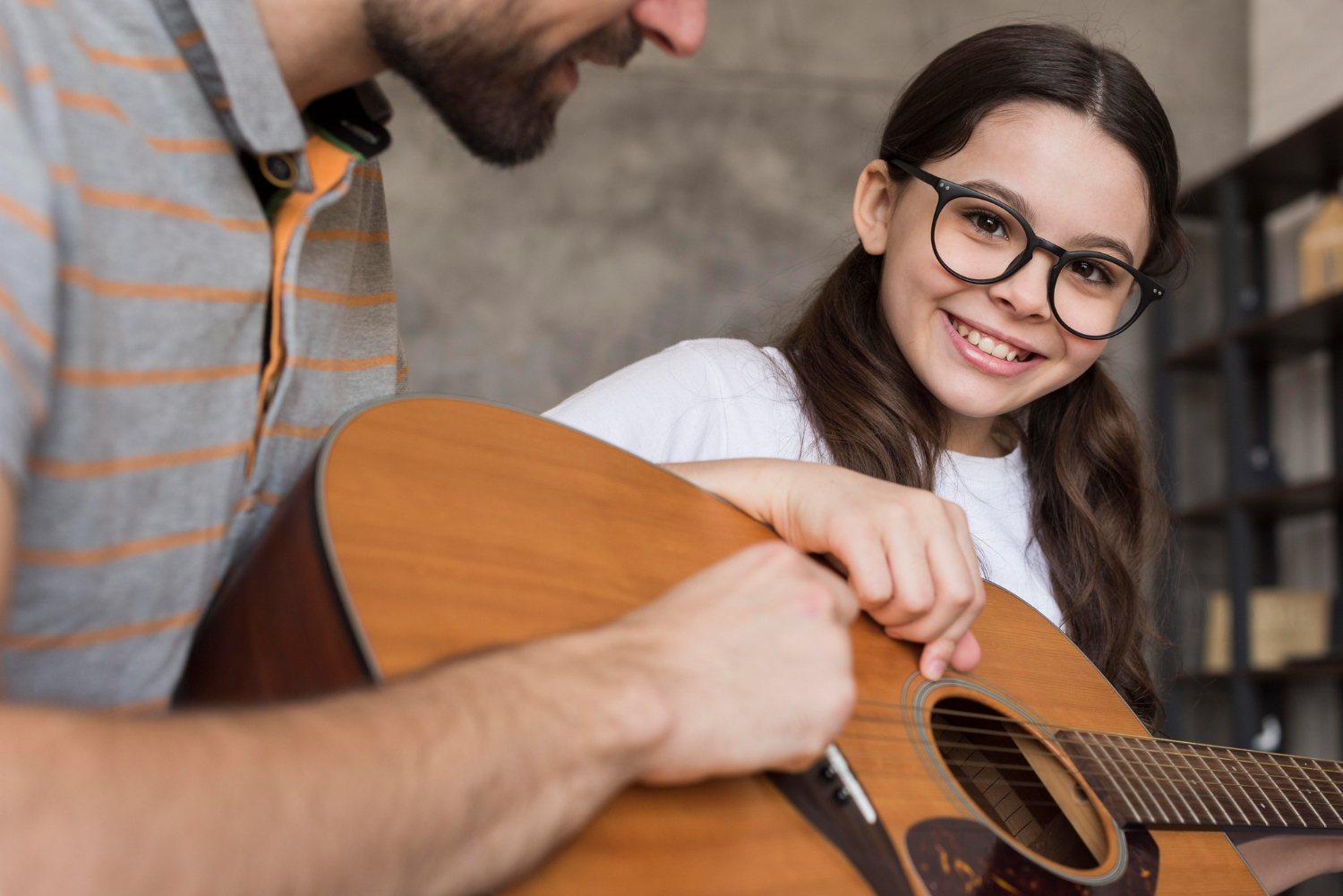
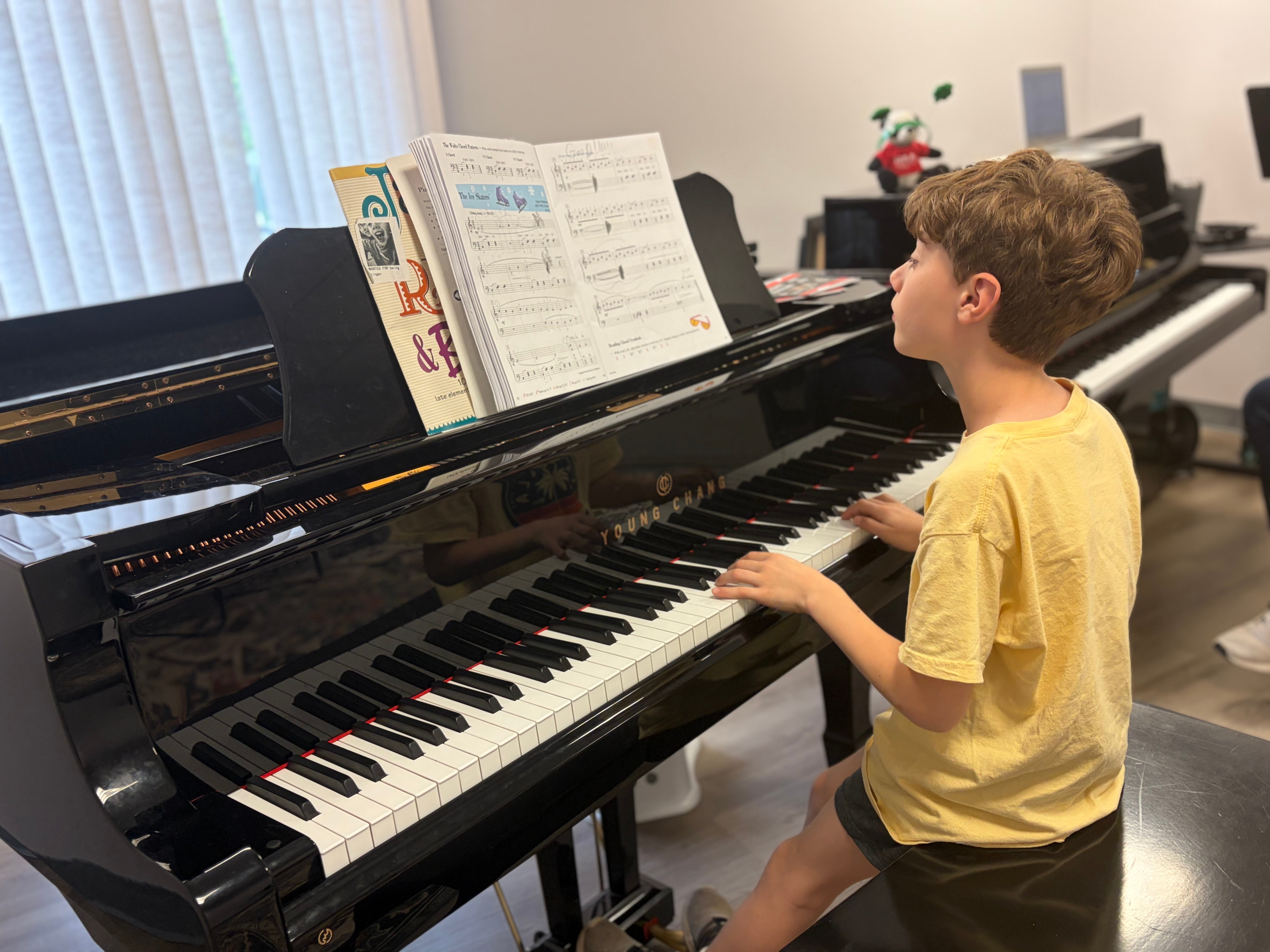
Because musical theatre blends acting, music, and movement, and because individual music lessons focus deeply on skills like rhythm, pitch, and expression, children experience this type of feedback in many ways. Over time, they become more open, less defensive, and more curious about how to improve.

Life Skills Built Through Acting, Music, and Musical Theatre

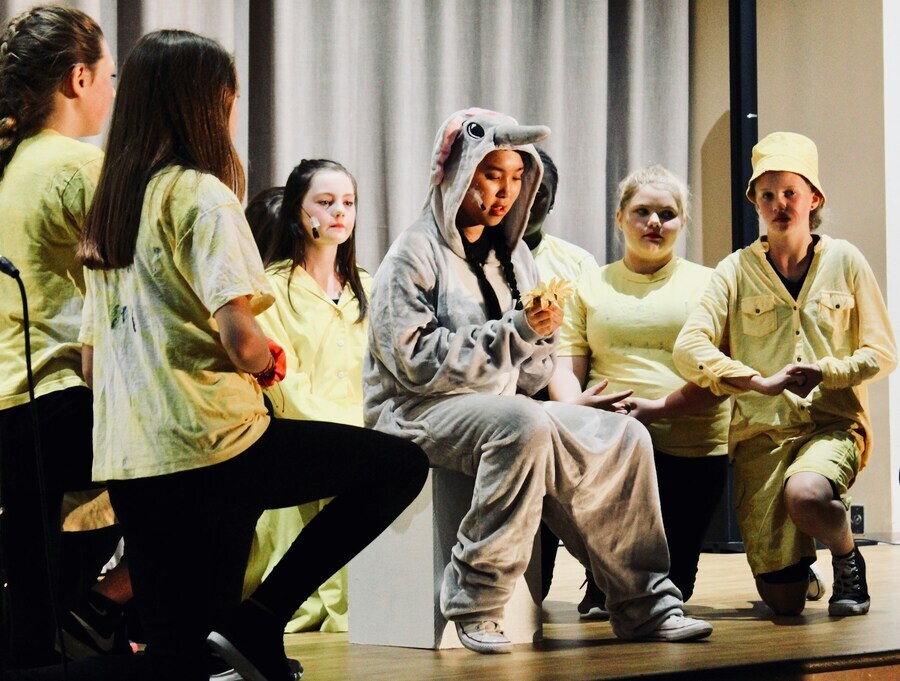
Acting classes, music lessons, and musical theatre stretch kids in a playful way. They sing, act, and move, often all at once. They also learn to read music, keep a steady beat, memorize scripts and songs, and project their voices clearly. This can feel challenging, especially for shy or careful children, but the atmosphere is creative and fun. Step by step, they practice being seen and heard.

These experiences build powerful life skills, such as:

  • Communication: speaking clearly, listening closely, and expressing feelings

  • Discipline: practicing regularly, showing up on time, and preparing between classes

  • Collaboration: working as part of an ensemble, choir, cast, or band

  • Problem-solving: figuring out how to fix a musical or staging challenge

  • Empathy: stepping into a character’s shoes and understanding different points of view

  • Time management: balancing practice, rehearsals, and schoolwork

Ensemble work adds another layer of growth. Kids learn that others depend on them for:

  • Cues in a scene

  • Choreography timing

  • Vocal entries and harmonies

  • Instrumental parts and steady rhythm

  • Smooth transitions between moments

This builds a sense of responsibility and care. They want to show up prepared, not just for themselves, but for the group. When everyone works together, they share the joy of a finished performance or recital. Seasonal shows and concerts, like spring performances around the end of the school year, give them a clear goal to work toward and a sense of completion as the year wraps up.

Children of different ages can start at the level that fits them best. Younger students might focus on simple songs, stories, and basic instrument skills, while older students handle more complex scripts, choreography, and advanced music. As they grow, the challenges grow with them, and so does their resilience.

Why Now Is the Perfect Time to Get Involved in the Arts

Kids today face a lot of pressure from school, activities, and social media. Many feel nervous about new school years, new teachers, or new friend groups. Acting classes, music lessons, and musical theatre offer a structured, creative way to deal with those feelings instead of hiding from them.

When children join a program, they practice:

  • Showing up even when they feel nervous

  • Hearing "no" and trying again

  • Taking feedback as help, not as an attack

  • Supporting others and asking for support in return

  • Working toward long-term goals, like a recital or performance

These same skills prepare them for the future. Whether they are giving a presentation, trying out for a team, auditioning for a school play, or speaking up in a meeting one day, they will have early experiences to draw from. Standing on a stage or playing in front of others now makes standing in front of others later feel a lot less scary.

High-quality arts instruction is designed to grow with each child. The goal is to help kids face mistakes and rejection with courage, humor, and hope. They do not need to dream of Broadway or a music career to benefit. Every child deserves to feel, "I can try hard things, even if I am afraid, and I will be okay if I mess up." That is the kind of confidence and set of life skills that reaches into every part of life.

Help Your Child Shine On Stage With Confidence

If your child is ready to build stage presence, vocal strength, and teamwork skills, we are here to guide them every step of the way. At Hunterdon Academy of the Arts, our musical theatre classes in Flemington, NJ give students a supportive space to grow as performers and as people. Reserve a spot today so your child can gain experience, make new friends, and step into the spotlight with confidence.


COMMENTS