Summer Stages Where Shy Kids Find Their Voice
Shy and introverted kids often feel a little lost when school routines pause. That steady rhythm of classrooms, lunch, and recess suddenly changes, and it can be easy for them to retreat into screens or quiet corners. Many parents start to wonder how to keep their child connected and growing, without forcing big social situations that feel scary.
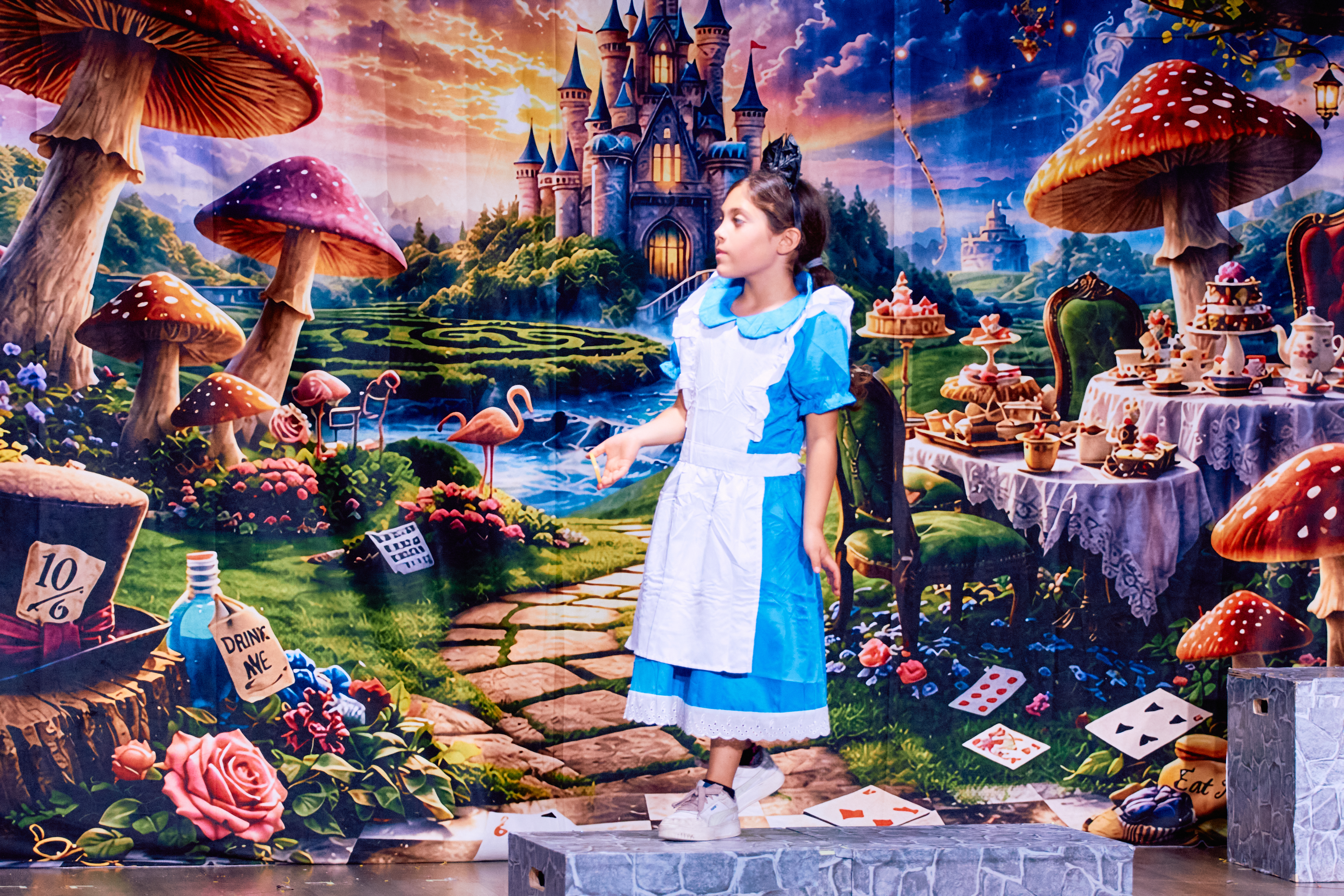
Theatre arts can be a gentle bridge. In class, kids step into stories, characters, and songs instead of being put on the spot as “themselves” right away. That makes self-expression feel safer and a lot more fun. In a community-focused setting like our theatre arts classes in Flemington, NJ, shy kids get time, space, and kind coaching to try new things.
In this guide, we will walk through how to choose between acting, musical theatre, and improv for your child, how music and theatre work together, and what realistic progress can look like over just 4, 8 weeks of summer classes.
Why Theatre Helps Quiet Kids Shine
Theatre looks like play from the outside, but inside it is full of life skills. In a typical class, kids practice:
- Confidence, by standing in front of others and being heard
- Empathy, by stepping into a character’s feelings
- Listening, by reacting to partners onstage
- Teamwork, by creating scenes and stories together
For many quiet kids, “just be yourself” is actually very hard. It can feel like there is too much attention on them. Theatre gives them structure to lean on. Scripts, games, and simple acting exercises tell them what to say or do, so they are never left hanging. Within that clear frame, they slowly start to bring more of their own personality.
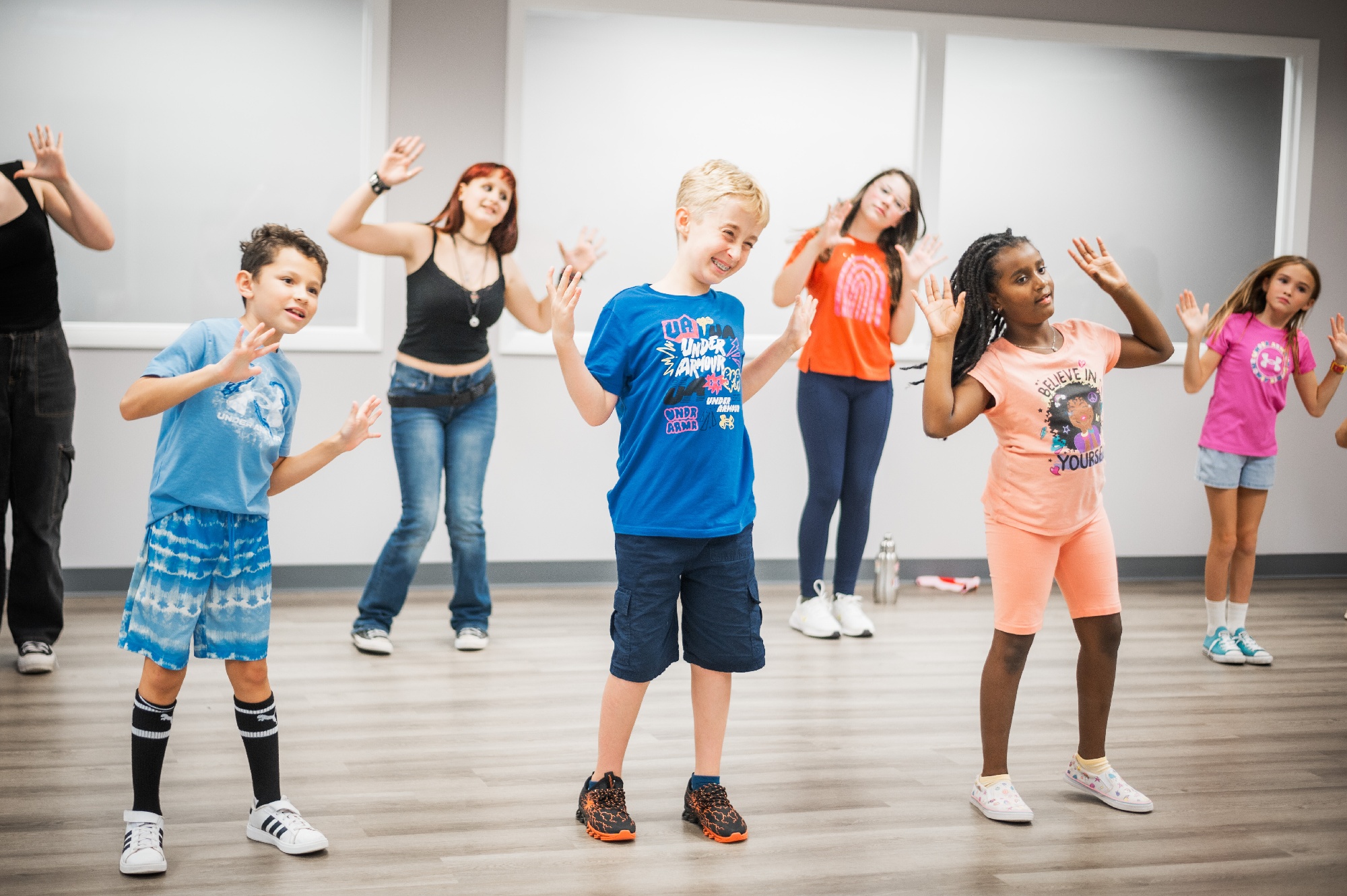
Classes work best when they feel safe and predictable. At our school, we keep groups manageable and routines clear. Warm-ups, games, short scenes, then a wrap-up: kids know what is coming. Instructors are used to working with first-timers and will never push a child into the spotlight before they are ready. Mistakes are treated like part of the fun, not something to be embarrassed about.
Acting, Musical Theatre, or Improv
If your child is shy, which type of theatre class should you choose? Each one supports confidence in a slightly different way.
Acting classes focus on scenes, scripts, and character work. These classes are great for kids who love:
- Reading or listening to stories
- Watching movies and quoting favorite lines
- Thinking deeply about “why people do what they do”
In acting, students learn skills like clear speech, eye contact, body language, and emotional expression. They might read short scenes, work in pairs, and practice saying lines with different feelings. Acting is often a good fit for thoughtful, observant kids who are not ready for lots of singing or big dance numbers.
Musical theatre blends acting, singing, and movement. It suits kids who:
- Hum along to songs in the car
- Like to move to music, even if it is just bouncing in place
- Already enjoy choir, piano, or other music lessons
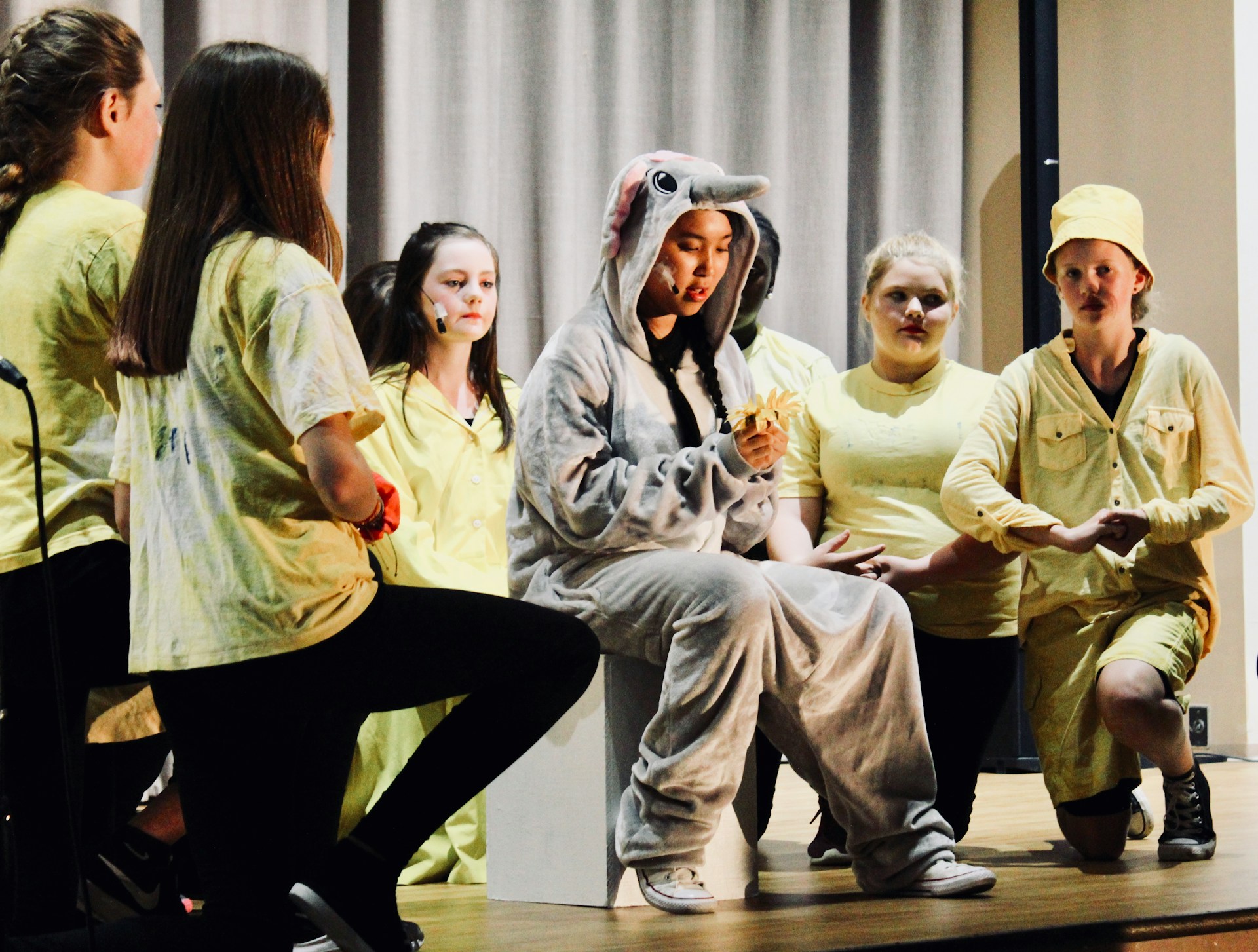
In these classes, children learn simple choreography and group songs, then tie it all together with acting. The ensemble feel is powerful: kids are part of something bigger than themselves, which takes pressure off. They gain rhythm, coordination, and the thrill of sharing a story through both voice and body.
Improv classes are playful, fast, and full of laughter. Improv can help kids who:
- Get stuck in “what if I say the wrong thing?”
- Need help loosening up and going with the flow
- Have lots of energy but feel unsure in social settings
Improv games teach kids to say “yes” to ideas, build on what others offer, and think on their feet. Because there is no script, there is nothing to “mess up.” This helps shy kids worry less about being perfect and more about joining in. The social ease they practice can carry into school, group projects, and friendships.
The Hidden Superpowers of Music and Theatre
Many families pair theatre classes with music lessons, especially for quiet children who have a lot to say but struggle to speak up. Learning an instrument or taking voice lessons sharpens focus, memory, and discipline. It also gives kids a new “language” for feelings. When words feel too big, a song or a piano piece can say it for them.
Theatre, especially acting and musical theatre, builds life skills in a way that feels like play, not work. Kids practice:
- Public speaking, by learning to project and articulate
- Collaboration, by sharing stage space and listening to cues
- Problem-solving, when something onstage does not go as planned
- Time management, by keeping track of lines, scripts, and rehearsal times
They also grow emotionally and socially. Through characters, kids name feelings like nervous, proud, or disappointed. They learn that everyone feels these things sometimes, and it is okay. They clap for each other, offer encouragement, and celebrate group success. Over time, this kind of support helps shy kids feel braver in other areas of life.
What Progress Can Look Like in 4, 8 Weeks
Parents often want to know what is realistic. In a single summer, will a very shy child turn into a bold performer? That might happen for some, but for most kids, progress looks quieter and more personal, and it is just as meaningful.
Weeks 1 to 2, your child may cling to you at the door, speak softly, or choose background roles. This is normal. Signs of early growth can be small:
- Joining warm-up games instead of sitting out
- Repeating short lines in a group
- Singing along under their breath
- Sharing a joke or smile with a classmate
Weeks 3 to 4, many kids start to open up. You might see:
-
Volunteering for a small part or solo line
-
Louder, clearer speech in class and at home
-
More eye contact with teachers and peers
-
Practicing songs or lines in the living room
Weeks 5 to 8, with steady attendance, growth often becomes more visible. Kids may:
- Stand taller and smile more during activities
- Take a bow with their group and actually enjoy it
- Handle a short solo or featured moment
- Separate from parents more easily at drop-off
Progress is not about a flawless performance. It is about comfort, willingness to try, and clear steps toward independence.
How to Choose the Right Summer Theatre Class
To pick the best class, start with your child’s personality.
Acting often fits kids who are:
- Story-lovers
- Deep thinkers
- Quiet observers who notice everything
Musical theatre can be great for kids who:
- Love music and movement
- Enjoy singing, even if only at home
- Like being part of a busy, creative group
Improv is a smart choice for kids who:
- Need help breaking out of rigid routines
- Benefit from more play and silliness
- Get anxious about being “wrong” and need a safe space to experiment
Age and experience also matter. Younger children usually do best in broad, game-based theatre or musical theatre classes that keep things moving and light. Older kids and teens may be ready for focused acting, voice, or improv tracks. Prior experience is not required at a community-focused school, especially one that is used to welcoming beginners.
When you look at theatre arts classes in Flemington, NJ, pay attention to:
- Trained, caring instructors
- Small enough classes for personal attention
- Clear communication with parents about goals and expectations
- A culture that values growth, kindness, and learning over perfection or competition
Summer is a low-pressure window for shy kids to try something new before school starts again. With the right class and a gentle, steady approach, that quiet child who hangs back in June can stand a little taller by the end of August, one line, one song, and one brave step at a time.
Ignite Your Child’s Confidence With Theatre Arts Training
Give your young performer a supportive place to grow their skills, creativity, and self-confidence with our theatre arts classes in Flemington, NJ. At Hunterdon Academy of the Arts, we blend professional instruction with a welcoming environment so students feel excited to learn and ready to take the stage. We’ll help you choose the right class level and schedule so getting started is simple. Enroll today and let your child discover how inspiring theatre can be.

COMMENTS