1 min read
Summer Screen-Free Skills: Why Music Lessons Beat More Activities
Summer Skills That Last Longer Than Any Screen Time Many parents worry that summer will turn into a long stretch of scrolling, streaming, and gaming....
6 min read
Valentina Jotovic
:
July 23, 2026
Some kids are full of stories but go quiet the second all eyes are on them. They read for hours, act out scenes with toys, and invent whole worlds, but the word “performance” makes them want to hide. If that sounds familiar, you might wonder if drama classes are only for loud, outgoing kids.
At Hunterdon Academy of the Arts, we see something different every day. Drama, acting, musical theatre, and music lessons can all be gentle, playful ways for quiet kids to explore stories without pressure to “put on a show.” The goal is not to turn them into spotlight seekers, but to give them tools for confidence, communication, and self-expression that last a lifetime.
In this article, we will share how to choose drama and musical theatre classes that respect your child’s temperament. We will talk about signs they might be ready, what to look for in a program, and how acting, musical theatre, and music lessons can all work together to help your child grow at a pace that feels right.
Drama and acting are not just about applause. At their heart, they are about story, imagination, and understanding people. That is why drama and acting classes can be a great match for kids who already love:
Reading books and graphic novels
Drawing characters or costumes
Playing pretend with toys or stuffed animals
Making up stories in the car or at bedtime
In class, students step into different characters and situations. They learn to ask, “What does this person want? How do they feel? What might they do next?” That kind of thinking grows empathy and problem-solving skills. It helps kids see the world from many points of view.
Drama and acting classes also build important life skills that show up far beyond the studio, such as:
Speaking clearly and making eye contact
Listening closely and responding in the moment
Working as a team and taking turns
Bouncing back after a mistake or a forgotten line
Managing nerves and performing under gentle pressure
These are core life skills children use later in school presentations, group projects, job interviews, and everyday conversations.
We often see that even simple movement games, rhythm activities, and short acting exercises help with focus and memory. Just like music lessons, drama asks the brain to pay attention, remember patterns, and make quick choices. These skills support schoolwork, new social situations, and confidence in speaking up.
Music lessons, such as piano, guitar, or voice, are another powerful way for children to grow. While drama focuses on story and character, music training develops focus, discipline, and perseverance.
In individual or small-group music lessons, children learn to:
Break larger tasks into manageable steps
Practice regularly and see progress over time
Listen carefully and match pitch, rhythm, and tone
Set goals, prepare for small performances or check-ins, and handle feedback
These are also life skills. Regular music study teaches children how to stick with something even when it is challenging, how to manage time for practice, and how to feel proud of their effort as well as their results.
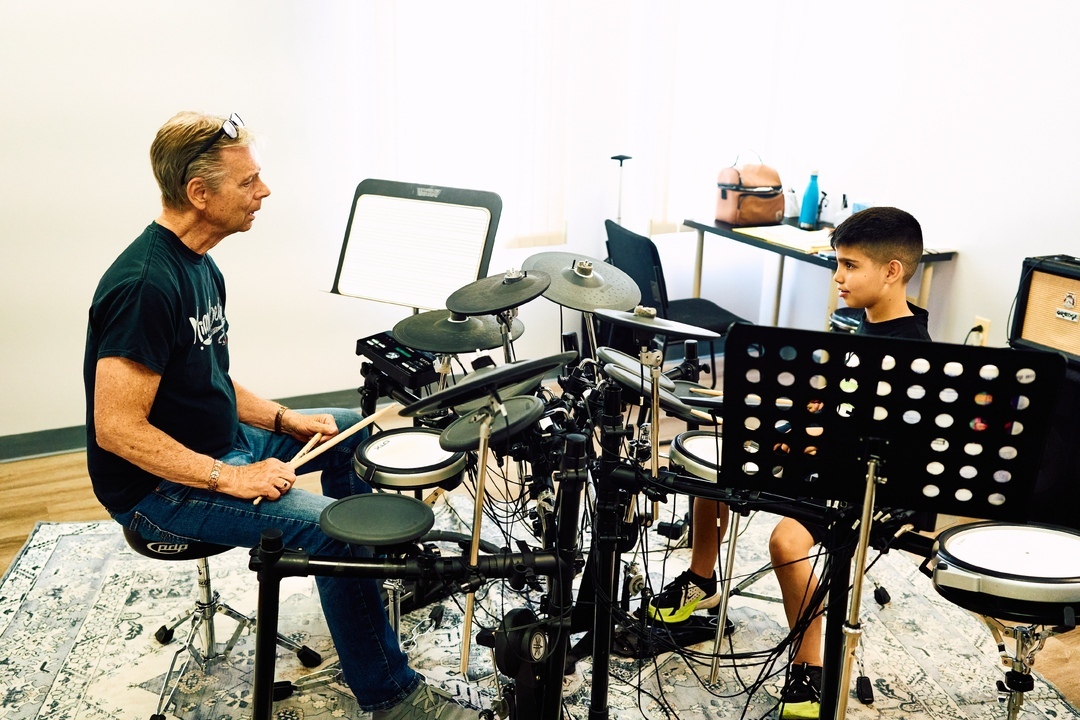
For many children, especially quieter ones, music lessons provide a comfortable structure: one-on-one attention with a trusted teacher, clear goals, and a calm space to build confidence. Over time, the courage they gain playing or singing a piece of music often carries over into speaking up in class or trying other creative activities.
Parents sometimes ask, “Is my child too shy for drama or musical theatre?” The better question might be, “Are they quietly curious about it?” Here are signs it might be a good fit:
They quote lines from movies or shows.
They make up voices or accents for characters.
They turn everyday objects into props.
They write little scripts, comic strips, or songs.
A bit of nervousness is normal. Healthy shyness often looks like this: your child says they feel scared, but still asks questions about the class, or says, “Maybe I could try it.” High anxiety might look more like panic, tears, or physical distress at the thought of being seen or heard by others. If that is the case, you may want to speak with a professional and move more slowly.
Timing can help. Many families like to start in summer or early fall, when kids are already getting used to new routines and new faces. Before you sign up, talk with your child about what sounds fun. You can ask:
Would you rather play improv games or work with a script?
Do you like the idea of a small show, or just fun games in class?
Are you curious about learning a song from a musical?
When kids feel they have a say, class feels less like something “done to” them and more like something they chose.
Not every drama or musical theatre class is built the same way. If your child is shy, you want a program that focuses on process, not pressure. In the class description, look for words like:
Games and exploration
Ensemble or group work
Creativity and confidence building
No experience needed
You can also ask the school a few helpful questions:
How big are the classes?
How do teachers encourage shy students?
Can children participate at their own pace?
If there is a performance, what does it look like?
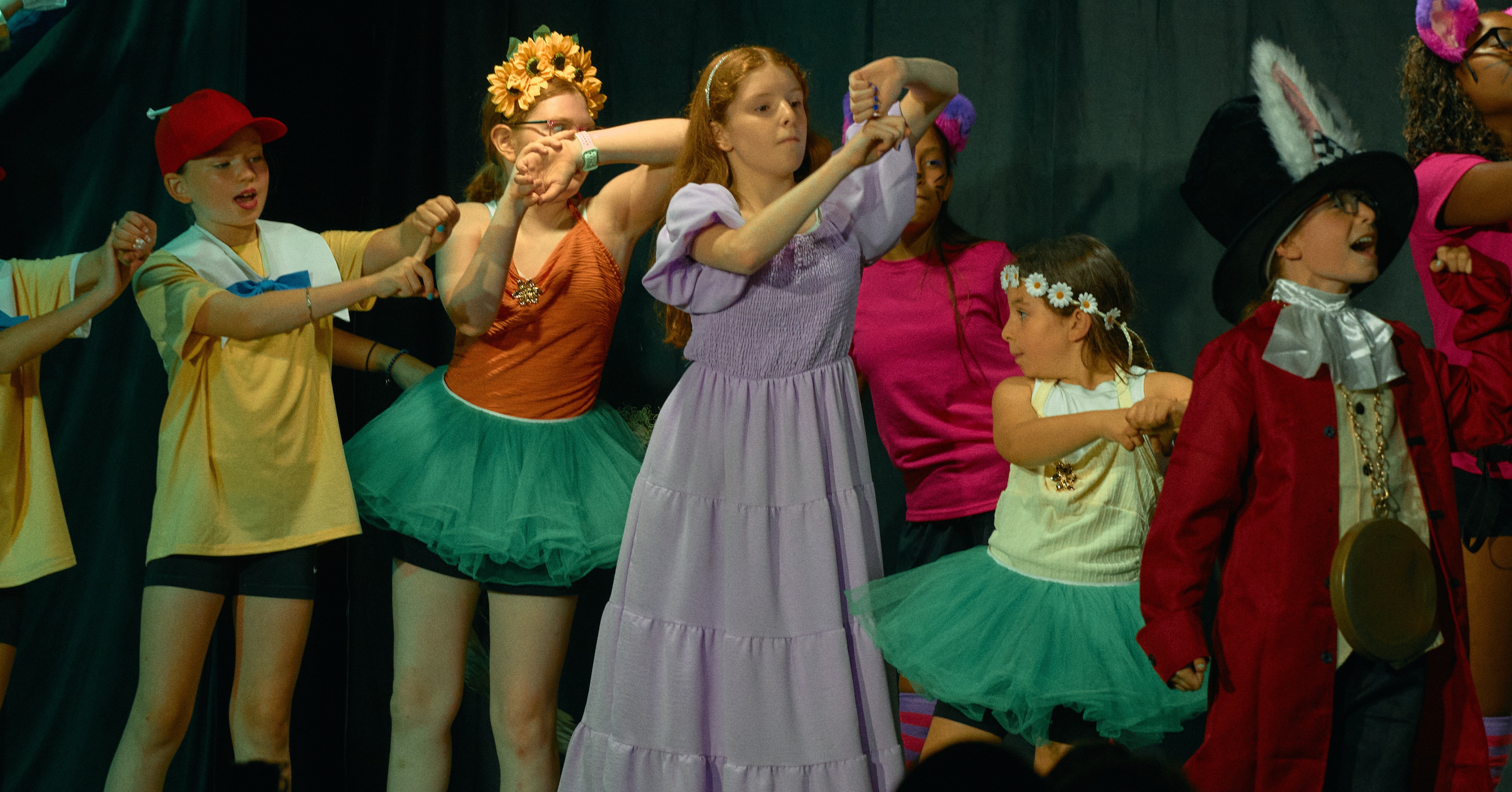
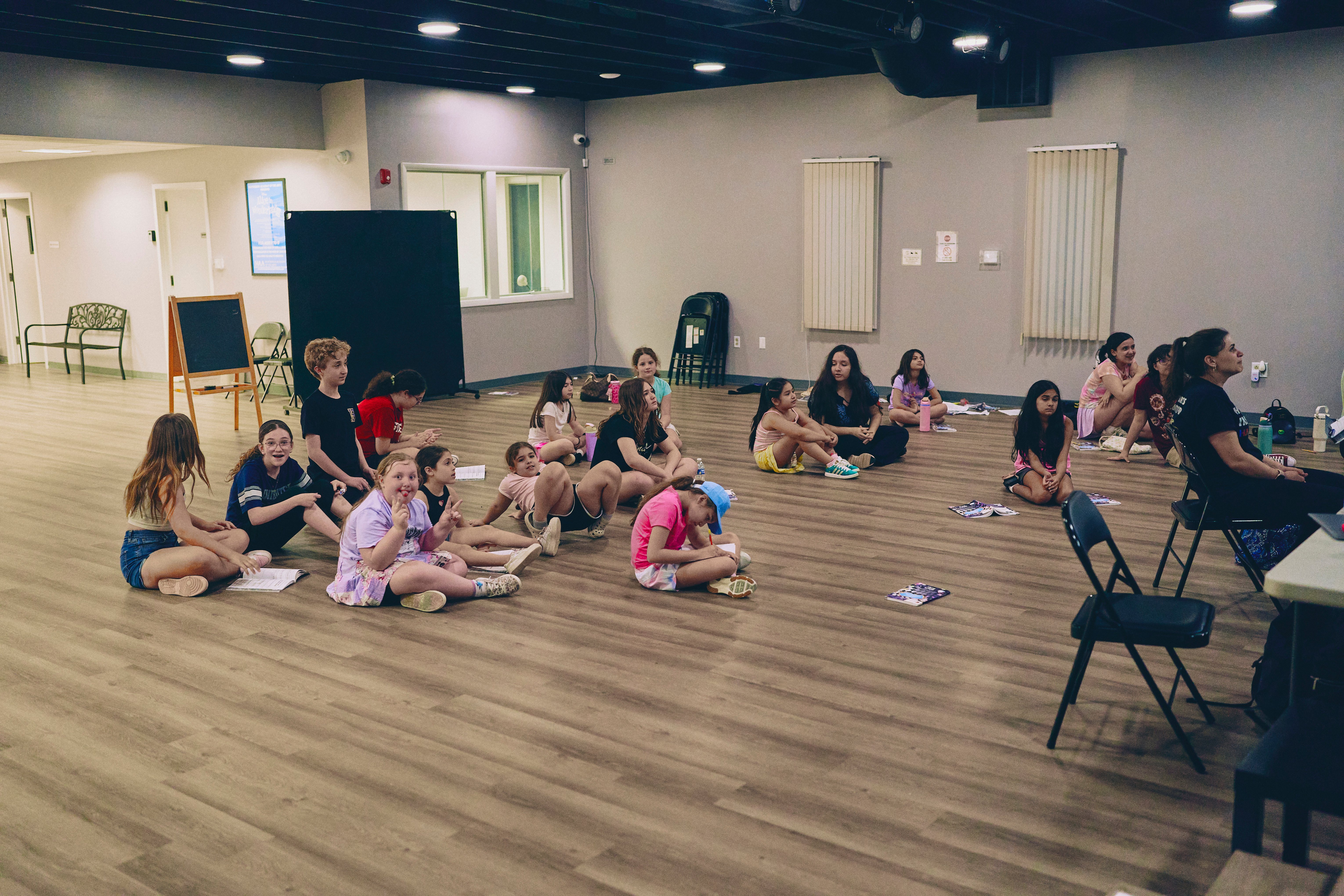
At Hunterdon Academy of the Arts in Flemington, we design many classes to feel low-pressure and supportive. A typical gentle drama or musical theatre class might include:
Light warm-ups and theatre games
Small group storytelling or short scenes
Simple songs and easy movement for musical theatre groups
Partner work so no one feels alone on stage
Optional sharing at the end, instead of forced solos
Practical details matter, too. Check that the age group is right, the time works with your family schedule, and the location is easy to reach so arriving does not add extra stress.
Drama classes are a wonderful starting point, but they are also part of a bigger creative picture. Acting and musical theatre go hand in hand. In musical theatre, kids still act, but now they also add:
Simple songs
Easy movement or choreography
Rhythm and musical expression
For many shy kids, it feels easier to express big feelings through a song or a bit of movement than through spoken lines alone. Music can feel like a safe shield or a friend beside them.
Individual music lessons, like voice or piano, can also help. With an instrument or their own singing voice, kids have something solid to focus on. They can measure progress, learn to practice, and feel proud when they master a song.
Taken together, drama, musical theatre, and music lessons build a wide range of life skills:
Confidence in speaking, singing, and moving in front of others
Clear communication and active listening
Teamwork, responsibility, and respect for others’ ideas
Creative problem-solving, such as fixing a scene or improving a tricky passage
Perseverance and patience while rehearsing or practicing
We often see gentle paths such as:
Starting with drama games and story classes
Adding a beginner music lesson once a week
Trying a small musical theatre ensemble when they feel more ready
Step by step, children build confidence, perseverance, and creative problem-solving, which show up in school, friendships, and family life.
A little preparation goes a long way for shy or careful kids. Before the first class, it can help to:
Visit the studio and see the space
Meet the teacher briefly so there is a familiar face
Watch a class or a short showcase if possible
Try a short workshop before committing to a longer session
You can also warm up at home in fun, low-key ways. Some ideas:
Read a short play or act out a favorite story together
Swap roles and pretend to be each other for a few minutes
Learn a simple song and take turns singing one line at a time
Play “audience” and “performer,” clapping after silly little acts
Be clear about expectations. Let your child know that feeling nervous is completely normal. At Hunterdon Academy of the Arts, we focus on fun, learning, and growth, not on perfection. Many families like starting around late summer or early fall so kids have time to settle in before school presentations, concerts, and other performances.
Quiet, imaginative kids do not need to become extroverts or future Broadway stars to benefit from drama, acting, musical theatre, and music lessons. The true goal is deeper than applause. It is about helping them trust their voice, share their ideas, and feel comfortable being themselves in front of others.
With the right combination of classes, especially in a nurturing setting like Hunterdon Academy of the Arts, children gain self-confidence, stronger communication, creative thinking, emotional resilience, and a circle of supportive peers. For families in and around Flemington, choosing gentle, story-centered drama and musical theatre classes, along with well-structured music lessons, is a powerful way to honor who your child is today while giving them life skills that will serve them wherever their story goes next.
If your child is ready to build confidence, creativity, and strong communication skills, we are here to guide them every step of the way at Hunterdon Academy of the Arts. Explore our drama classes to find the right fit for their age, interests, and experience level. We will help you choose the best program so your child can learn, grow, and shine on stage.
1 min read
Summer Skills That Last Longer Than Any Screen Time Many parents worry that summer will turn into a long stretch of scrolling, streaming, and gaming....
1 min read
How to Choose the Best Summer Theatre Path Parents often start with a big question: should their child spend the summer in a theatre intensive, stick...
1 min read
How Theatre Casting Builds Real-World Leaders Theatre casting looks simple on the surface: some kids get leads, some are in the ensemble, some become...