1 min read
How Musical Theatre Classes in Flemington Build Kids’ Resilience
How Musical Theatre and Music Lessons Help Kids Handle Big Feelings A lot of kids feel that tight feeling in their stomach before standing in front...
4 min read
Valentina Jotovic
:
Updated on August 25, 2026
Confidence grows when kids do something a little scary, discover they can handle it, and feel proud afterward. That is exactly what happens when a nervous student walks onto a stage for the first time and walks off smiling because they did it.
At Hunterdon Academy of the Arts in Flemington, we see this every week. Shaky hands, butterflies, a deep breath, first note. By the end, there is a bow, a grin, and a new belief: “I can do hard things.” Confidence is not something kids either have or do not have. It is a skill we can build through safe, repeated challenges like recitals, ensemble playing, and acting or musical theatre performances.
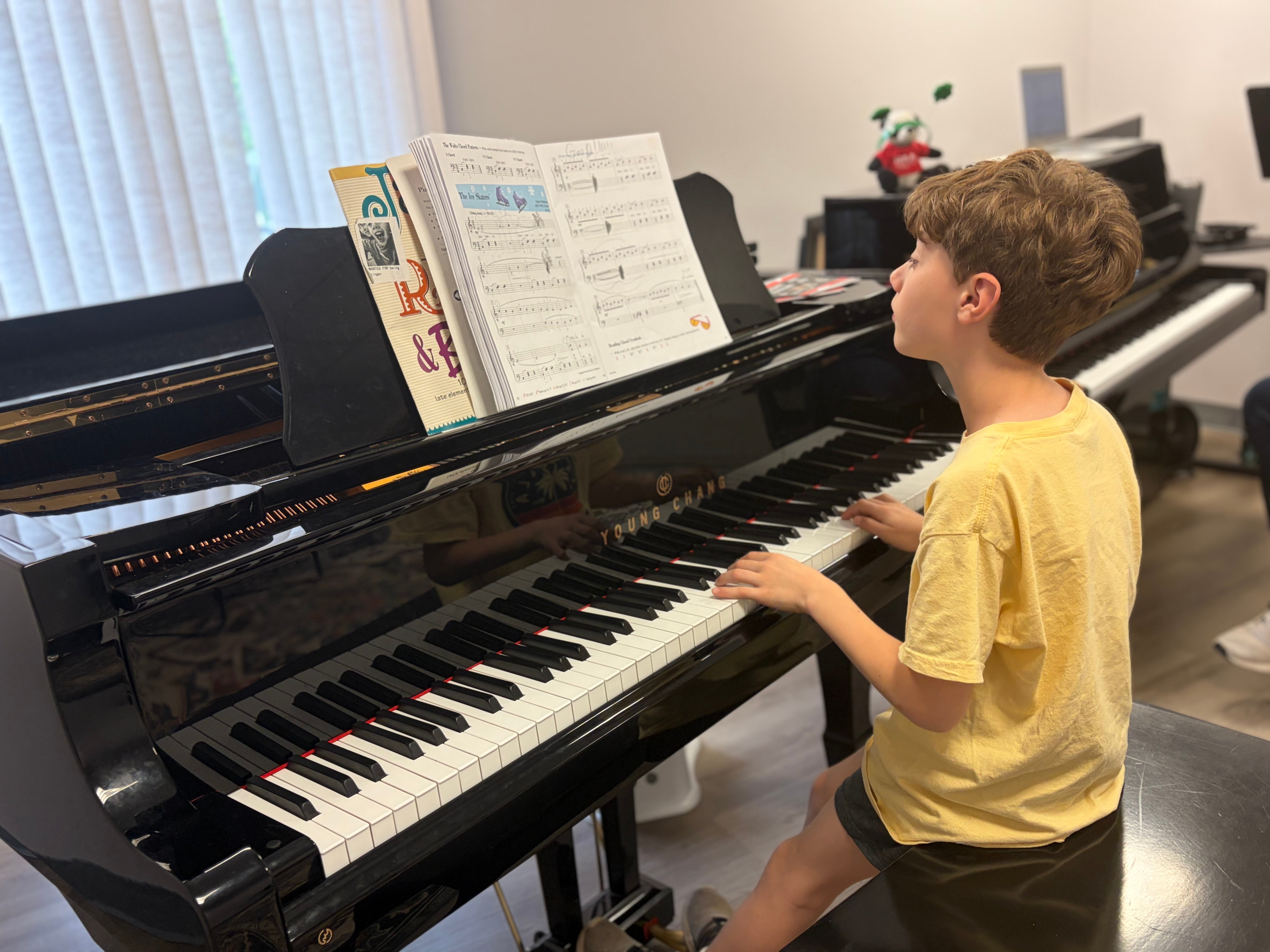
Our community focused school gives children and adults a place to stretch their comfort zones with support. Music lessons for kids in Flemington can work like a confidence training program when performance milestones are part of the plan. Below, we will share how recitals and group work build self-esteem, how acting and musical theatre add powerful life skills, and how parents can support all of it at home.
Performing in front of others creates a kind of “productive stress.” Hearts race, palms sweat, and kids think, “Can I really do this?” When that feeling ends with success, even if a few notes were missed, their brains connect effort, courage, and a positive outcome.
At Hunterdon Academy of the Arts, performances usually follow a simple cycle:
Set a goal, like a recital or showcase date
Prepare with a teacher during weekly lessons
Practice at home in small, steady steps
Perform for an audience
Reflect afterward on what went well and what to try next time
This cycle teaches kids that progress comes from consistency, not instant talent. They learn to:
Stick with a piece even when it feels tricky
Take responsibility for practicing regularly
Bounce back if something goes wrong on stage
We use age-appropriate performance experiences that grow with the student. Younger kids may start with casual studio “share days” where they play or sing for a few classmates. As they gain comfort, they move into larger recitals, group performances, and themed showcases. By raising the challenge slowly, we help students build courage step by step, not all at once.
These kinds of experiences can be especially helpful right before a new school year. When kids walk into a new classroom knowing they just played in a recital or spoke lines on stage, they carry that sense of “I can do this” into their school life too.
Playing alone is one kind of growth. Playing with others is another level. At our school, ensembles and group classes might look like:
Bands or small rock groups
Choirs and vocal groups
Chamber music groups
Acting troupes and scene study classes
Musical theatre casts with singing, acting, and movement
When kids make music or act together, they must listen closely and respond to others. They learn to match rhythms, blend sound, and respect different roles, whether they are the lead, part of the group, or even helping backstage. This builds empathy and cooperation in a very real, hands-on way.
Ensemble work also balances different personalities. Shy kids often feel safer when they are not alone on stage, which helps them take more risks. Outgoing kids learn to share the spotlight and support others. Both types of students build social confidence and a real sense of belonging.
Music lessons for kids in Flemington that include ensemble playing also help kids make local friends who care about creative activities. That positive peer group can matter just as much as the music itself. Along the way, kids pick up life skills like:
Time management, showing up on time and prepared for rehearsal
Communication, asking questions and giving or receiving feedback kindly
Problem-solving, working together to fix a tricky section or scene
These are the same skills they will use later in group projects at school, clubs, and jobs.
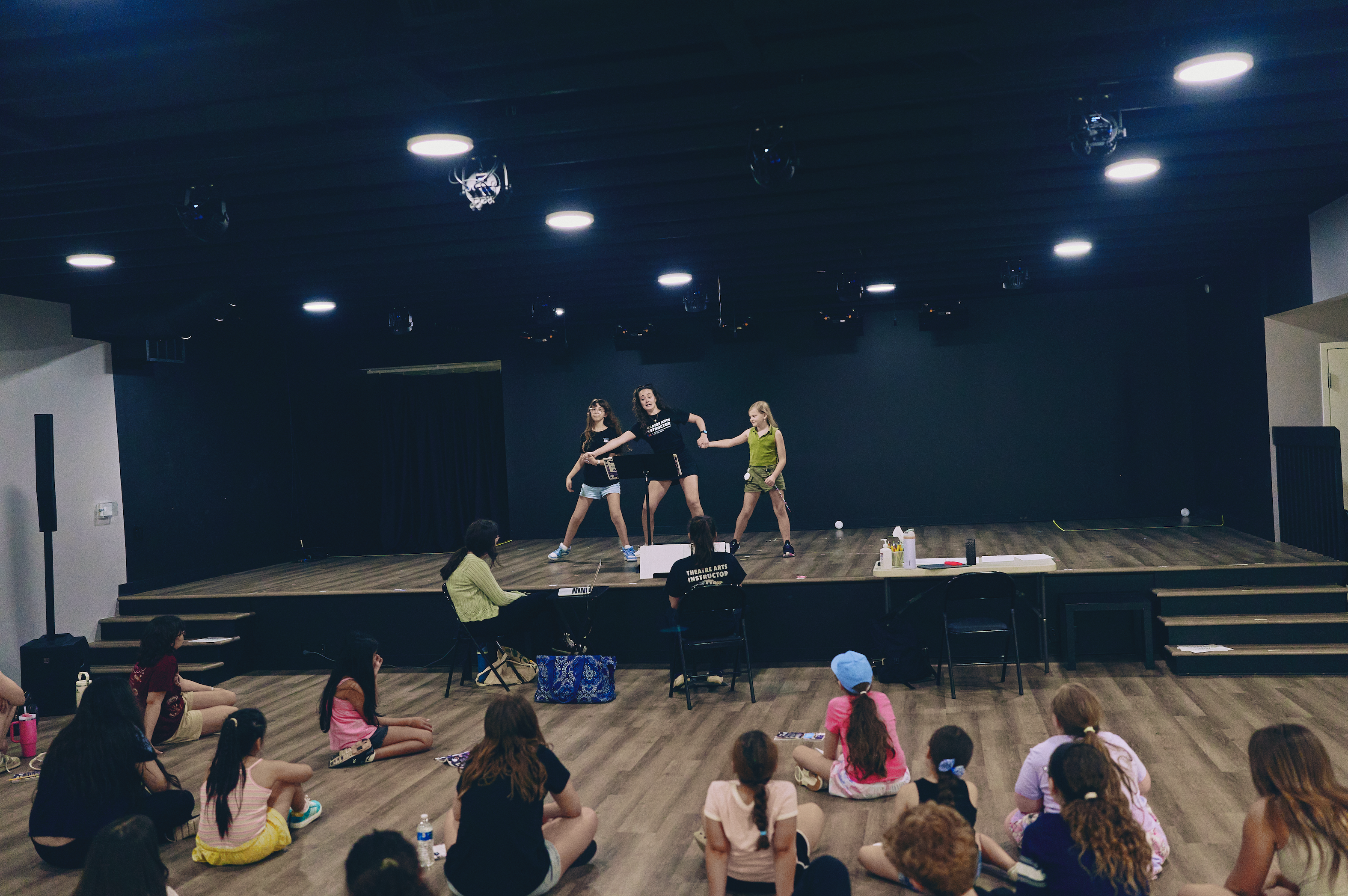
Acting and musical theatre classes ask kids to take creative risks. They might improvise a scene, sing a solo, or try a new dance step. At first, this can feel scary. With a supportive teacher and a kind group, it starts to feel exciting instead.
Stepping into a character’s shoes helps kids explore many sides of themselves. They practice showing emotions clearly, reading other people’s reactions, and understanding different points of view. Those are powerful tools for friendships, classroom discussions, and handling conflicts.
The skills kids gain on stage show up in daily life. We often see:
Clearer speaking in class presentations
Better eye contact with teachers and peers
Stronger presence in group projects
More comfort handling new or unexpected situations
Acting and musical theatre are also simply fun. When kids are singing, dancing, and acting with friends, they are more willing to push through nerves, keep rehearsing, and try again after mistakes. Late summer and early fall can be an especially good time to begin these programs, since kids are already getting ready for assemblies, school performances, and meeting new classmates.
Parents play a huge part in how kids feel about performing. What you say and do around practice and recitals can either raise anxiety or build courage.
After a performance, try to focus on effort and growth rather than only results. Helpful comments might sound like:
“You worked hard on that piece and it showed.”
“I noticed you stayed calm when something went wrong and kept going.”
“You looked brave up there, even if you felt nervous inside.”
At home, you can:
Set a regular practice routine that fits your family schedule
Hold casual “living-room concerts” for siblings or grandparents
Clap and cheer for practice runs, not just final performances
If your child struggles with stage fright, you can:
Practice simple breathing exercises before run-throughs
Do low-pressure performances at home, such as playing for one trusted friend
Share your own stories of feeling nervous to show that it is normal
It also helps to stay in touch with teachers at Hunterdon Academy of the Arts. You can ask about realistic performance goals, upcoming opportunities, and how to support preparation at home. When families choose music lessons for kids in Flemington and then back them up with patient support at home, the confidence gains can be even stronger.
Every recital, ensemble rehearsal, acting class, and musical theatre performance is much more than a moment on stage. It is a chance for kids to practice courage, handle nerves, and discover what they can do when they stick with something hard.
Over time, these experiences help build future leaders. Students who are comfortable standing in front of a group, listening to teammates, solving creative problems, and trying again after a mistake are ready for many paths in life, whether or not they choose the arts as a career.
At Hunterdon Academy of the Arts in Flemington, we are proud to be part of that process for local families. We see each lesson, rehearsal, and performance as one more step toward kids who are not just skilled in music, acting, or dance, but also confident, kind, and ready to shine in whatever they do next.
At Hunterdon Academy of the Arts, we make it easy for your child to explore music in a supportive, age-appropriate environment. Whether your child is just beginning or ready to build on existing skills, our teachers tailor each lesson to match their interests and goals. Learn more about our music lessons for kids in Flemington and take the first step toward your child’s next creative milestone.
1 min read
How Musical Theatre and Music Lessons Help Kids Handle Big Feelings A lot of kids feel that tight feeling in their stomach before standing in front...
1 min read
Choosing a piano teacher is more than just picking someone who plays well. It’s about finding the right fit for your child’s personality, learning...
1 min read
How Music and Theatre Together Help Kids Thrive