1 min read
Summer Theatre Intensives vs. Weekly Classes: Choosing the Right Fit
How to Choose the Best Summer Theatre Path Parents often start with a big question: should their child spend the summer in a theatre intensive, stick...
5 min read
Valentina Jotovic
:
Updated on September 9, 2026
Choosing activities for kids can feel like a puzzle. School is starting, homework is picking up, and families are trying to fit everything into the week. A good musical theatre class can balance that busy schedule by giving kids a creative outlet that also supports what they learn in the classroom.
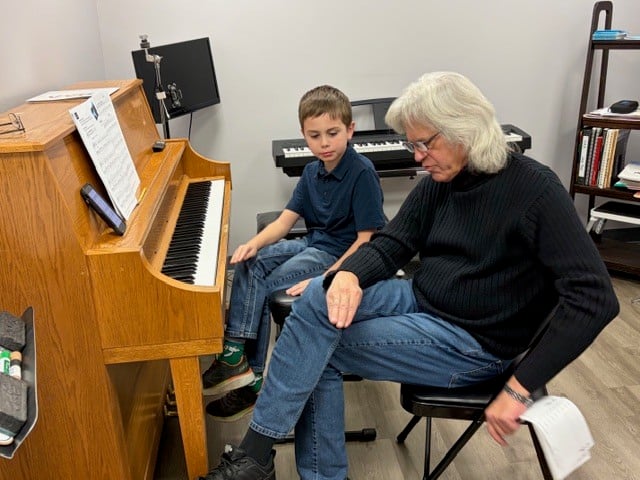
Whether children are taking private music lessons or joining a musical theatre class, they are doing more than learning notes and lines. They are building skills like focus, perseverance, and confidence that help them in school and in everyday life.
In musical theatre, children practice using their voices, bodies, and imaginations. They learn to stand tall, speak clearly, listen to others, and share ideas in front of a group. Those skills carry into school presentations, social situations, and even family life. Kids who also take individual music lessons often find that reading music, keeping a steady beat, and practicing regularly make it easier to concentrate in class and follow through on homework and projects.
When you look at musical theatre classes in Flemington, NJ, it helps to focus on a few key pieces: the curriculum, age grouping, performance opportunities, and how progress is measured. In a close-knit community like ours, the right program can become a second home where kids feel seen, supported, and excited to grow.
A strong musical theatre curriculum is about much more than putting on a cute show. It should blend singing, acting, and movement in a clear, thoughtful way so students become well-rounded performers and more confident people.
Here is what we look for in a balanced class:
Singing: basic vocal technique, breath support, healthy tone, diction
Movement: simple choreography, stage blocking, body awareness
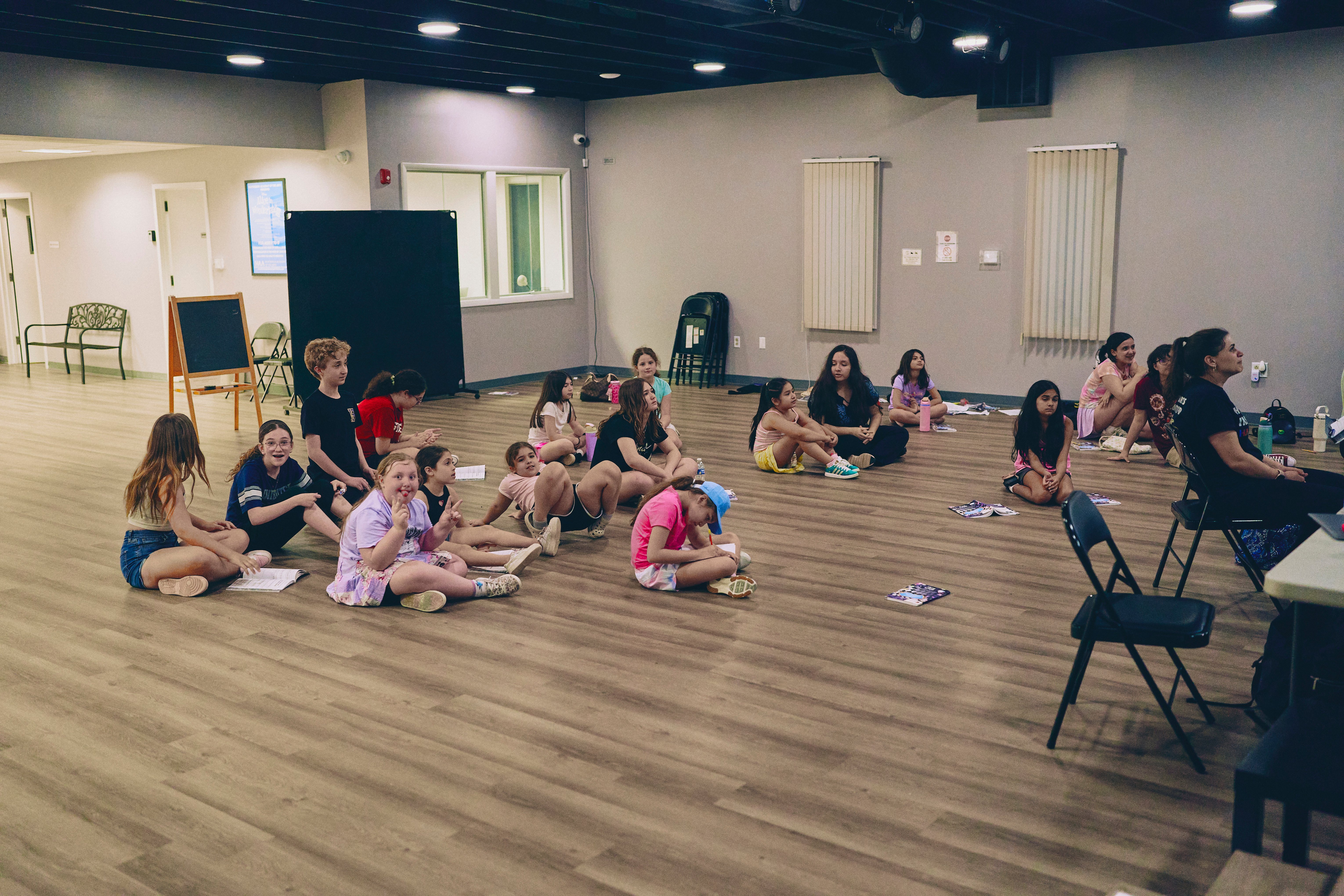
Kids should not be thrown straight into memorizing a script with no foundation. Instead, each class should include warm-ups and skill-building activities that repeat and grow over time. For example, a typical class might start with vocal warm-ups, then acting games, then learning or reviewing a scene or song.
Age-appropriate material is also very important. Younger students need songs and scenes that match their reading level and emotional understanding. Older students can handle more complex stories and characters, as long as the material is still safe and respectful.
A thoughtful curriculum will:
Choose songs and shows that fit students’ age and vocal range
Good musical theatre training also connects to bigger music and arts skills. Students work on rhythm, listening, timing, and clear speech. They learn to tell a story with both voice and movement. While they are doing all of that, they are also building life skills like focus, discipline, empathy, and creative problem-solving.
These same benefits show up in traditional music lessons as well. Learning an instrument or studying voice teaches students how to set goals, practice regularly, and stay patient as they improve. When children combine music lessons with musical theatre, they strengthen both their artistic skills and important life skills such as responsibility, resilience, and creative thinking.
Kids learn best when they are with peers at a similar stage of development. That is why age grouping in musical theatre classes in Flemington, NJ makes such a difference. Young children, tweens, and teens do not just differ in size, they think and feel differently and need different teaching approaches.
Good age grouping usually means students are close in:
Reading ability, so no one feels lost with lyrics or scripts
When the ages and levels are mixed too widely, older or more advanced students can end up leading everything, while younger or shyer ones fade into the background. With thoughtful grouping, each student has room to speak, sing, and be heard.
Class size also plays a big role. In a class that is too large, it is hard for every child to get meaningful stage time or feedback. In a class that is too small, kids may miss out on the energy and teamwork that come from a full ensemble. A well-sized class gives space for:
Individual coaching and notes
A positive environment is just as important as numbers and ages. Look for a class culture where mistakes are treated as learning moments and students cheer each other on, not compete for attention. These experiences teach children how to work as a team, handle feedback with grace, and support their peers, skills that help them in group projects at school and in future jobs.
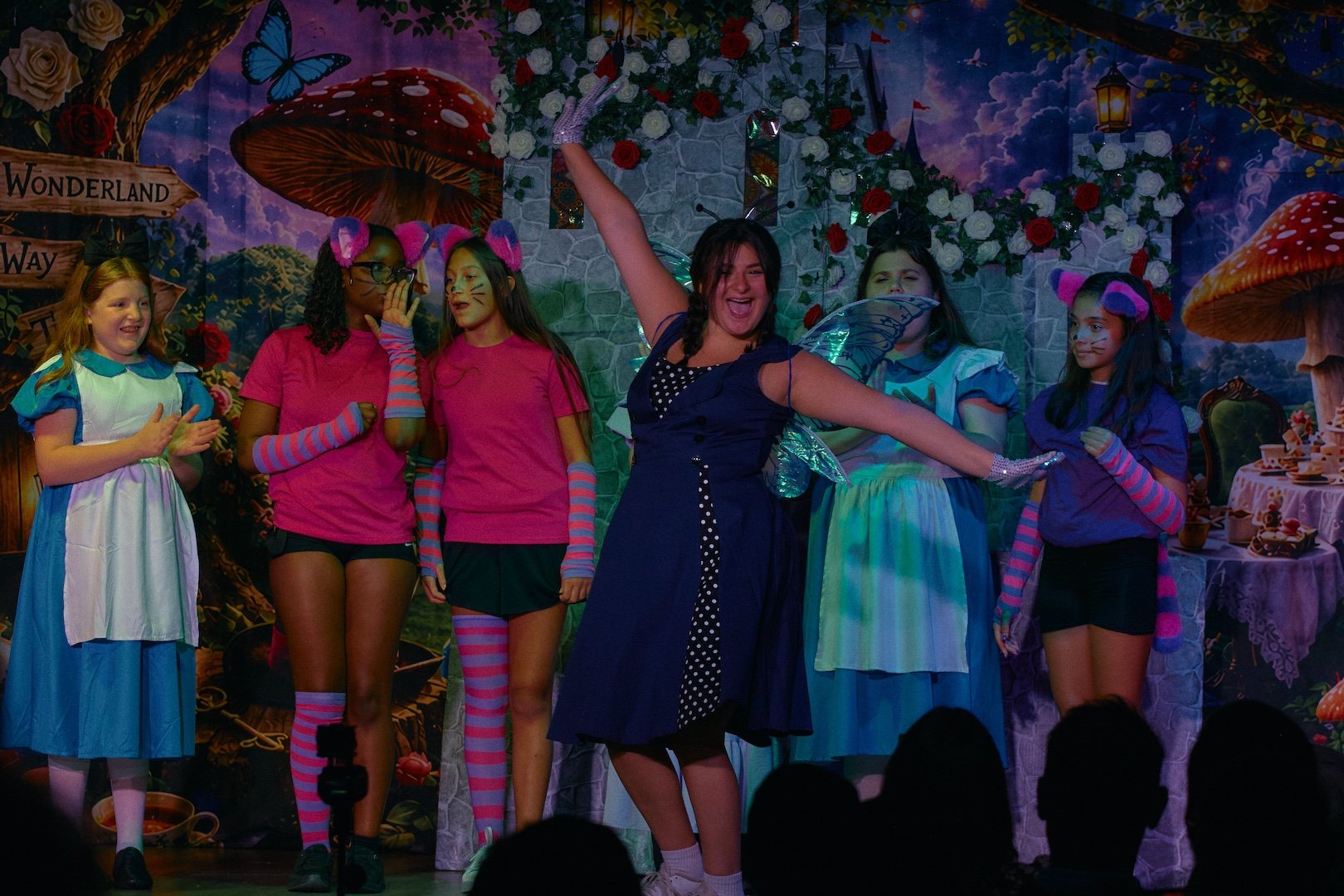
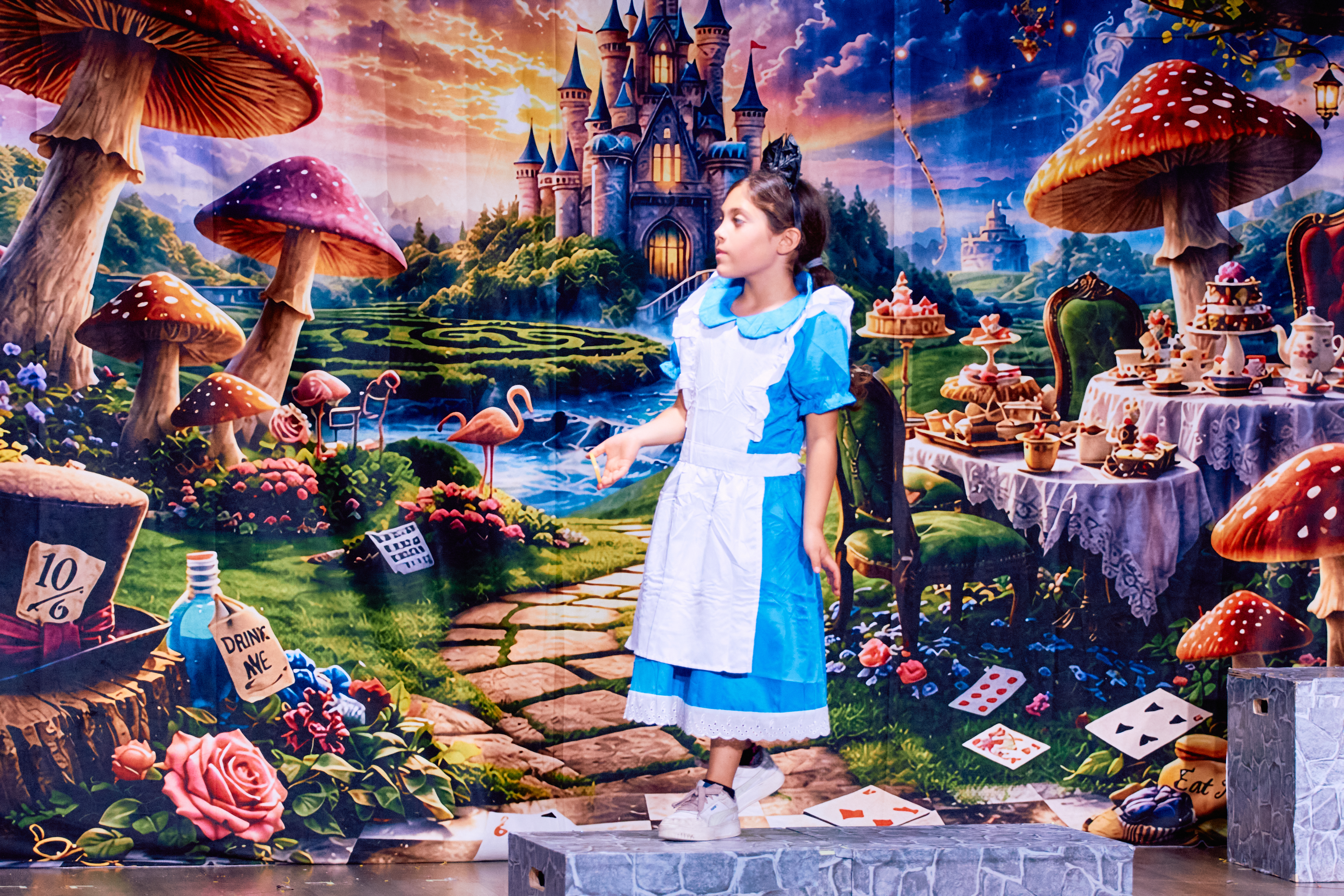
Performances are exciting, but they should never feel scary or unsafe. The healthiest programs offer different kinds of performance experiences across the year, not just one big high-pressure show.
Examples of helpful performance formats include:
In-class sharings where students show a scene or song to each other
When kids perform regularly in low-pressure ways, they learn how to handle nerves, take direction, and enjoy being on stage. The focus stays on the process, not on being perfect. Teachers should talk with students about how to manage stage fright, follow stage directions, and support their castmates.
A healthy performance experience usually includes:
Clear expectations from the start of the session
Performances also bring families and the local community together. Parents get to see their children’s progress, support their hard work, and celebrate growth. Over time, kids make friends across different classes and ages, and those friendships can last well beyond one show.
These performance moments strengthen life skills in a very real way. Children practice staying calm under pressure, thinking on their feet if something goes wrong, and showing respect for everyone on stage and behind the scenes. They learn that being part of a cast is like being part of a team: everyone’s contribution matters.
In musical theatre, progress is not just about who gets the lead role or the loudest applause. Quality programs pay attention to growth in skills and in character.
At the start of a session, teachers should set clear, age-appropriate goals, such as:
Speaking louder and more clearly on stage
Good communication with parents is important. This can be through quick end-of-class chats, occasional emails, or simple progress notes. The goal is to share what the child is working on and how they are growing.
Progress shows up in many ways, such as:
More confident posture and eye contact
Parents often notice changes outside of class too. Children might speak up more in school, handle nervous moments better, or show more patience in group projects. Over time, steady participation in musical theatre and music lessons can support academic focus, emotional control, time management, and leadership skills.
When you visit a studio or talk with a program director, it helps to bring a simple checklist. You might ask about:
The training and experience of the instructors
It is also a good idea to ask how they support both very outgoing students and very shy ones. A caring teacher will have strategies for helping each personality feel safe and challenged, whether that is in a musical theatre ensemble, a private voice lesson, or an instrument class.
If you can observe a class, pay attention to the overall feeling in the room. Are students engaged and focused? Do they look comfortable taking risks and trying new things? Are teachers giving clear directions with kindness and respect? You are not only choosing a class, you are choosing a community that will touch your child’s confidence and creativity.
At Hunterdon Academy of the Arts in Flemington, we care deeply about helping students grow as performers and as people. Our music lessons and musical theatre classes are designed to build both artistic skills and lifelong strengths like confidence, cooperation, and perseverance. When families choose a musical theatre program that fits their child, they are giving them a place to explore, to be brave, and to discover what they can do on stage and in life.
At Hunterdon Academy of the Arts, we help students gain confidence, stage skills, and a true love of performing. If your child is ready to step into the spotlight, our musical theatre classes in Flemington, NJ offer a supportive place to grow as both an actor and a singer. We keep class sizes manageable so every student gets individual attention and clear guidance. Reserve a spot today so your performer can start building the skills and friendships that last long after the curtain closes.
1 min read
How to Choose the Best Summer Theatre Path Parents often start with a big question: should their child spend the summer in a theatre intensive, stick...
1 min read
Summer Stages Where Shy Kids Find Their Voice Shy and introverted kids often feel a little lost when school routines pause. That steady rhythm of...
1 min read
Many kids who are shy at school or around new people might light up when they’re at home, especially when they’re pretending or playing make-believe....